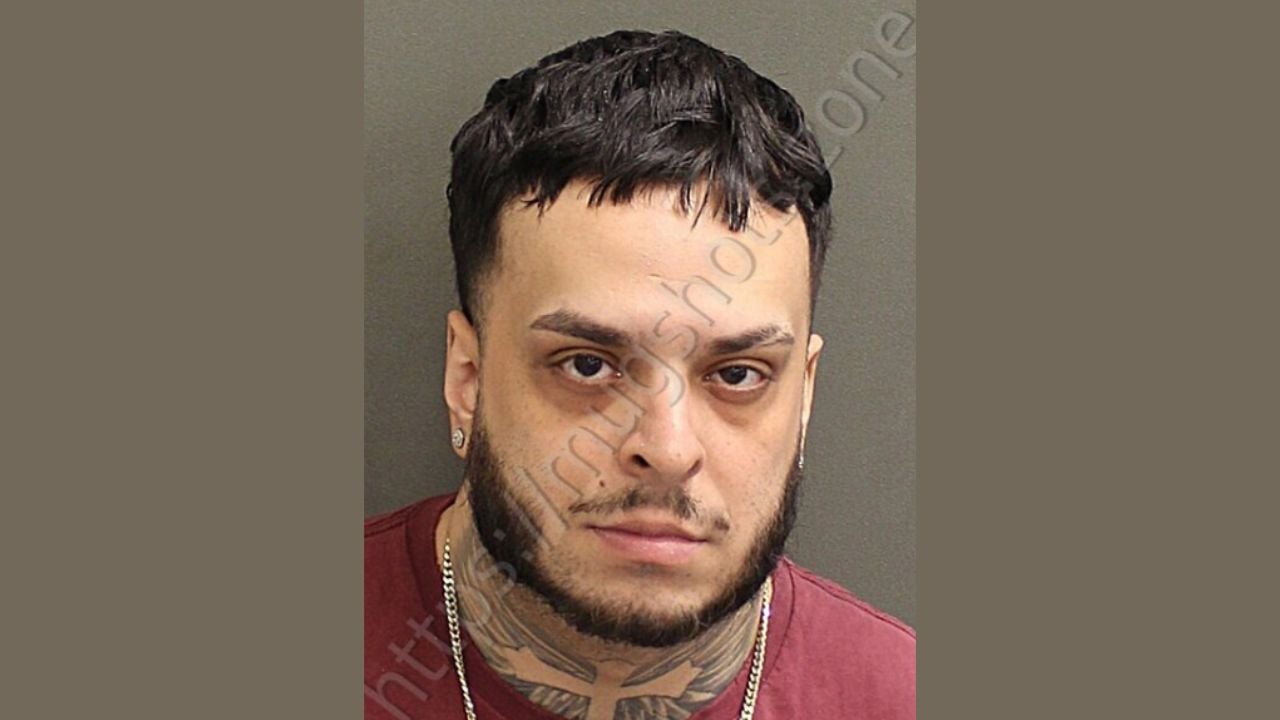
A caller posing as her son told a 76-year-old New Smyrna Beach woman he had been jailed after a crash that killed someone and needed $9,800 for release.
She contacted police rather than paying, and detectives monitored an Uber pickup arranged by the suspected scammers.
The investigation led to the arrest of Marcus Richard Ristie, 27, of Orlando, on Oct. 29, 2026.
New Smyrna Beach police said he was suspected of involvement in an organized scheme to defraud.
A Fake Fatal Crash Was Followed by Calls From an “Attorney”
In later calls, the woman was led to believe she was speaking with an attorney and a representative of a “pretrial intervention program,” according to New Smyrna Beach police. She was instructed to withdraw and package $9,800 in cash for collection at her home.
She was instructed to withdraw and package $9,800 in cash for collection at her home.
She Contacted Police Before Handing Over Any Money
While officers were with the woman, the person arranging the collection continued contacting her and requested an envelope pickup from her home. Police said a legitimate Uber driver collected the package without realizing it was connected to the suspected fraud.
New Smyrna Beach detectives coordinated with Orlando police to monitor the envelope’s delivery. Investigators said Ristie took possession of it at a location in Orlando. New Smyrna Beach police obtained a felony organized-scheme-to-defraud warrant, and Orlando officers arrested him Oct. 29.
The FBI warned in July 2021 that family-emergency scammers sometimes used couriers, including rideshare drivers, to collect supposed bail payments from older adults. A November 2023 FBI alert specifically warned that the couriers could be knowing participants or unsuspecting rideshare drivers.
How to Check a Sudden Call About a Relative’s Arrest
The Federal Trade Commission advises people to end unexpected calls demanding bail or emergency money and contact the supposedly affected relative directly using a number they already know. If the relative cannot be reached, another trusted family member may be able to verify the story.
A caller’s claim to be a lawyer, court employee or law enforcement official should not replace independent verification. People receiving an unexpected request to hand cash to a courier should contact the relevant agency through its official published number rather than one supplied by the caller.
Rideshare and delivery drivers who encounter suspicious requests to transport envelopes containing large amounts of cash can report their concerns through their platform or to local law enforcement. People targeted by similar scams can preserve call details, messages and payment instructions and report suspected fraud through the FBI’s Internet Crime Complaint Center.