

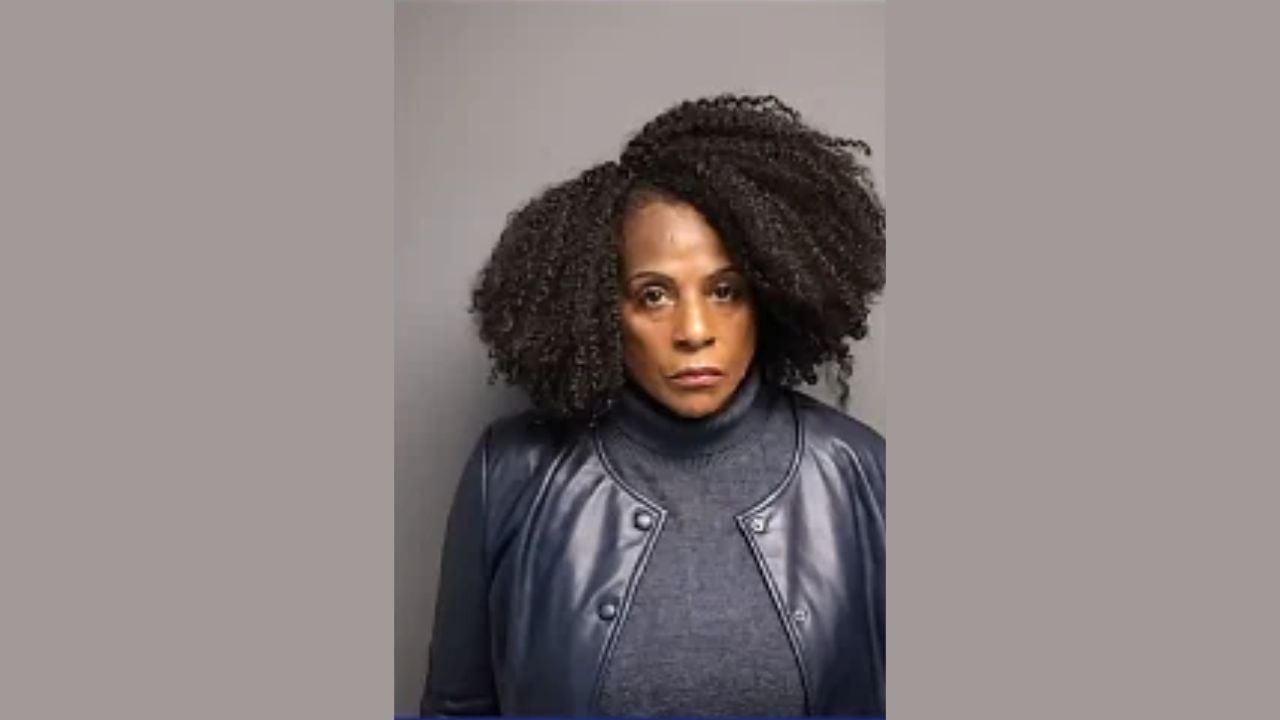
A bookkeeper for a Connecticut youth center is accused of stealing approximately $15,000 from the nonprofit whose finances she handled. Police say the money was taken from Bridgeport’s Cardinal Shehan Center over several weeks in May 2026.
Melba Turner, 64, of Bridgeport, surrendered at police headquarters on November 19, 2026. Authorities had obtained a felony arrest warrant charging her with larceny, forgery and computer crime.
The Cardinal Shehan Center has operated since 1962, providing educational and recreational programs for young people and families with moderate and low incomes. Its offerings include after-school activities, summer programs and basketball leagues.
An official from the center reported the suspected theft to police, according to Patch’s November 20 report. The department’s Financial Crimes Unit investigated the complaint.
Police Say the Checks Went to Her Bookkeeping Company
Investigators allege that Turner forged the reporting official’s signature on a series of unauthorized checks. Those checks were made payable to Joint Ledger Consultants LLC, the company she controlled.
Turner was a contracted bookkeeper, and her company handled the center’s finances, according to the police statement reproduced by DoingItLocal. The center has terminated its working relationship with her.
Three Felony Charges and a November 30 Court Date
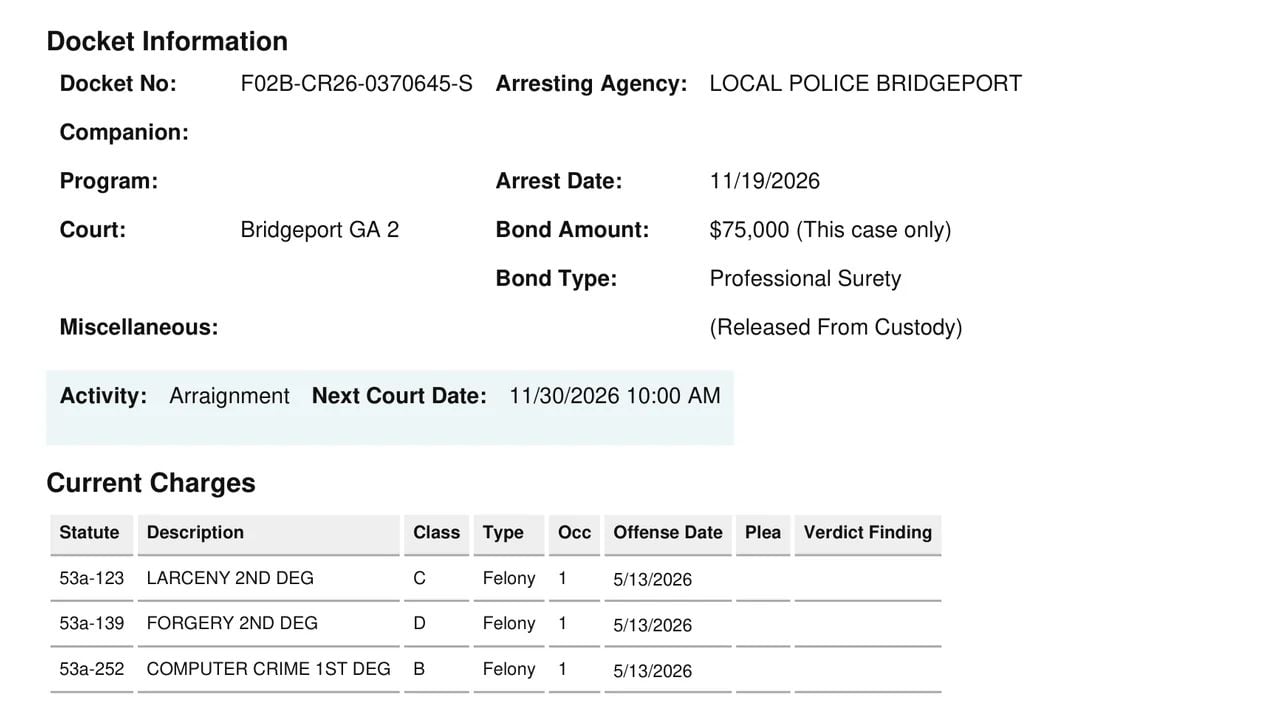
The Connecticut Judicial Branch’s case summary lists second-degree larceny, second-degree forgery and first-degree computer crime. All three are felony charges in Bridgeport case F02B-CR26-0370645-S.
The record lists a $75,000 professional surety bond and shows Turner as released from custody. Her arraignment is scheduled for November 30 at 10 a.m. at Bridgeport GA 2. Turner is presumed innocent unless proven guilty.
A Second Reviewer Can Check Who Receives the Money
The National Council of Nonprofits recommends having someone besides the bookkeeper review bank statements. It also advises periodic independent reviews of vendors receiving payments and requiring invoices that describe the services provided.
For organizations using checks, the council recommends defining who can access blank checks and who is authorized to sign them. Those controls give reviewers a way to compare a payment’s recipient and supporting paperwork with the organization’s approved spending.