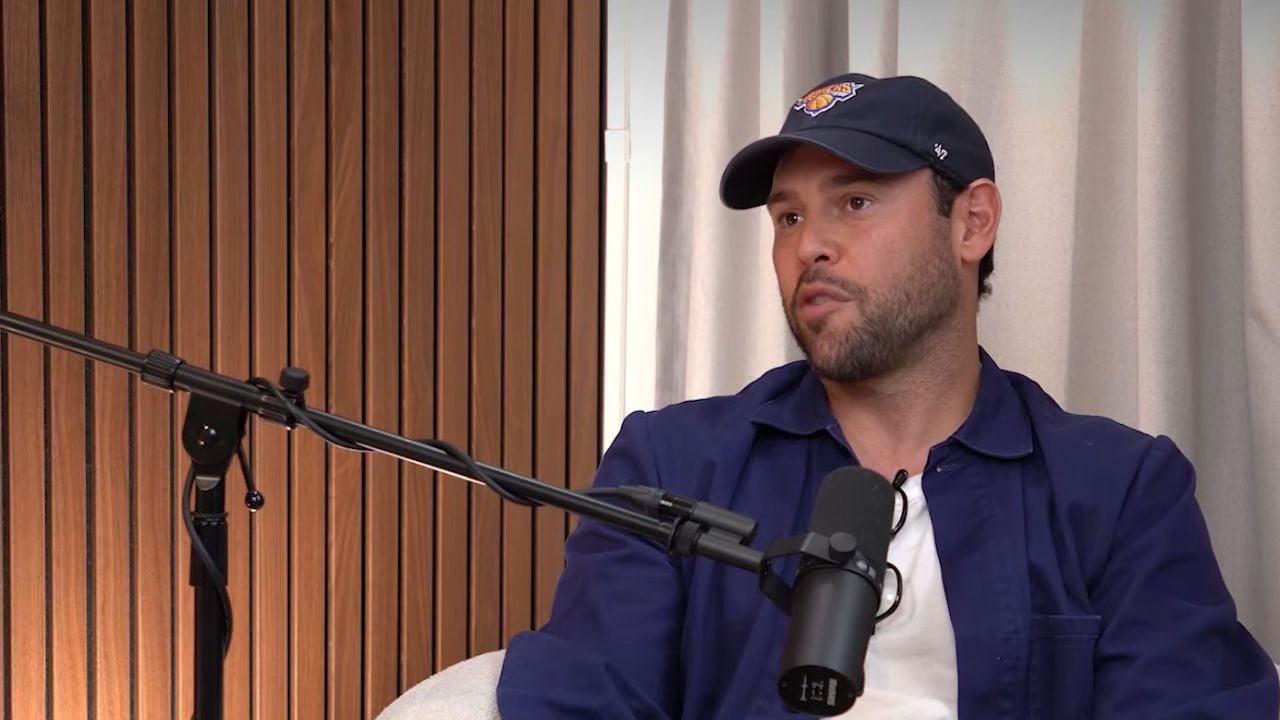
Scooter Braun is revisiting the Taylor Swift masters dispute years after his 2019 purchase of Big Machine Label Group made him a central figure in one of pop music’s biggest ownership battles.
In a new interview on Second Thought with Suzy Weiss, Braun said he still does not fully understand how the situation became so personal and public. Entertainment Weekly reported that Braun said he “legitimately” does not know Swift and has only met her a few times.
Braun is now framing the dispute as a business deal that became personal, while Swift’s original objection centered on ownership of the first six albums of her career and who controlled that work.
Braun Said He Did Not Have a Real Relationship With Swift
Braun pushed back on the idea that he and Swift had a long personal history before the masters dispute. He said he had never had a substantial conversation with her and did not manage her career.
Vulture noted that Braun described one earlier private-party meeting where he said they exchanged respectful comments about each other’s careers.
That detail matters to Braun’s version of the story because he is trying to separate the catalog purchase from the idea of a personal feud. Swift’s public objection in 2019 treated the sale differently: she described the deal as her “worst case scenario” and connected it to years of conflict involving Braun and people around him.
The Big Machine Deal Turned a Catalog Sale Into a Pop-Culture Fight
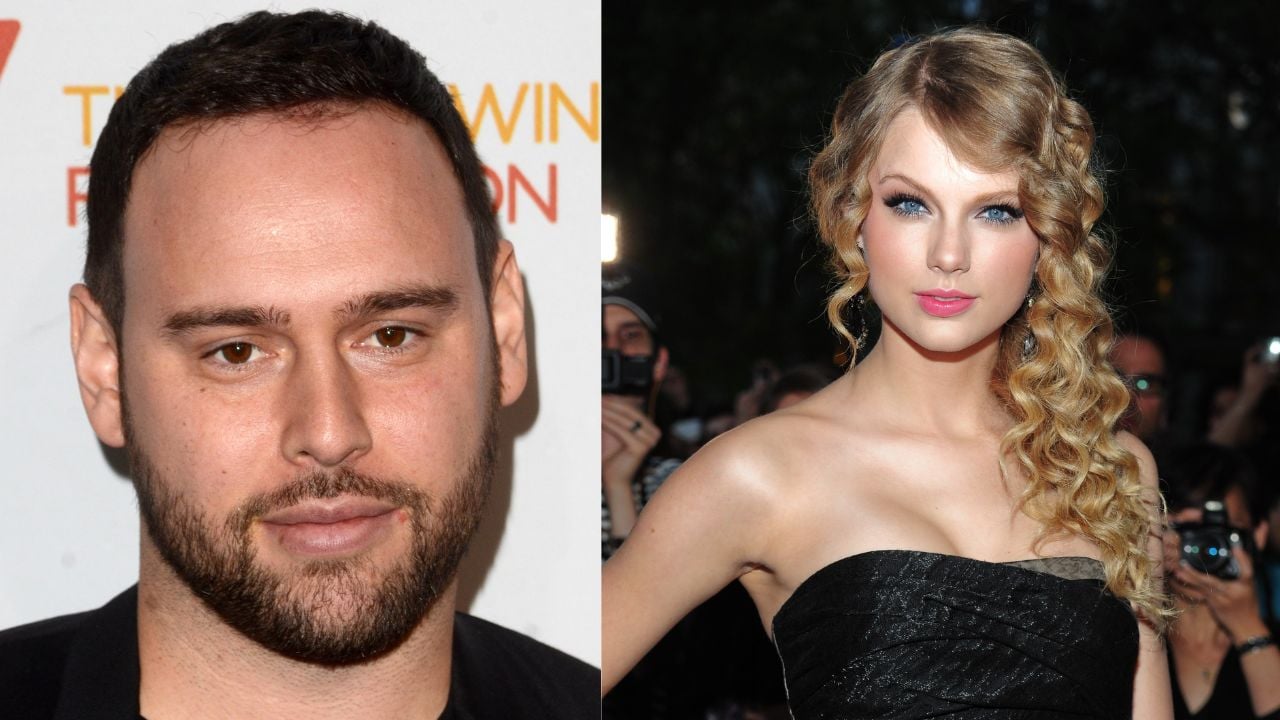
The conflict began in 2019, when Braun’s company acquired Big Machine Label Group, the label that owned the master recordings for Swift’s first six albums.
Swift objected publicly at the time, saying the sale represented her worst-case scenario and accusing Braun of years of bullying through people connected to him.
The dispute quickly moved beyond the normal language of music-industry acquisitions. Swift’s fans rallied around the ownership issue, and the sale became part of a broader conversation about artists, masters, contracts, and control over early career work.
Braun Said He Was Cast as the Villain
Braun said the reaction to the Big Machine purchase changed his public image almost immediately. Page Six reported that he described going from being seen as a successful manager to being treated as the villain in Swift’s story.
He also said he had been excited by the possibility of working with Swift, rather than trying to harm her career.
The tension in Braun’s new comments comes from that split. He is describing the fallout as something disproportionate to the deal he believed he was making. Swift’s side has always treated the deal as something larger than a private business transaction because it involved the masters behind the albums that built her career.
Swift’s Rerecordings Changed the Balance of the Fight
The dispute did not stay frozen in 2019. Braun later sold Swift’s masters to Shamrock Capital, and Swift began releasing rerecorded versions of her early albums as Taylor’s Version projects.
The rerecordings turned the business dispute into a public fan campaign. Each release gave listeners a way to support Swift’s new versions instead of the original masters, and the project became one of the defining moves of her career.
In May 2025, Swift announced that she had bought back the masters for her first six albums. Billboard reported that the deal gave her ownership of her original recordings, videos, concert films, album art, photography, and unreleased material tied to that era.