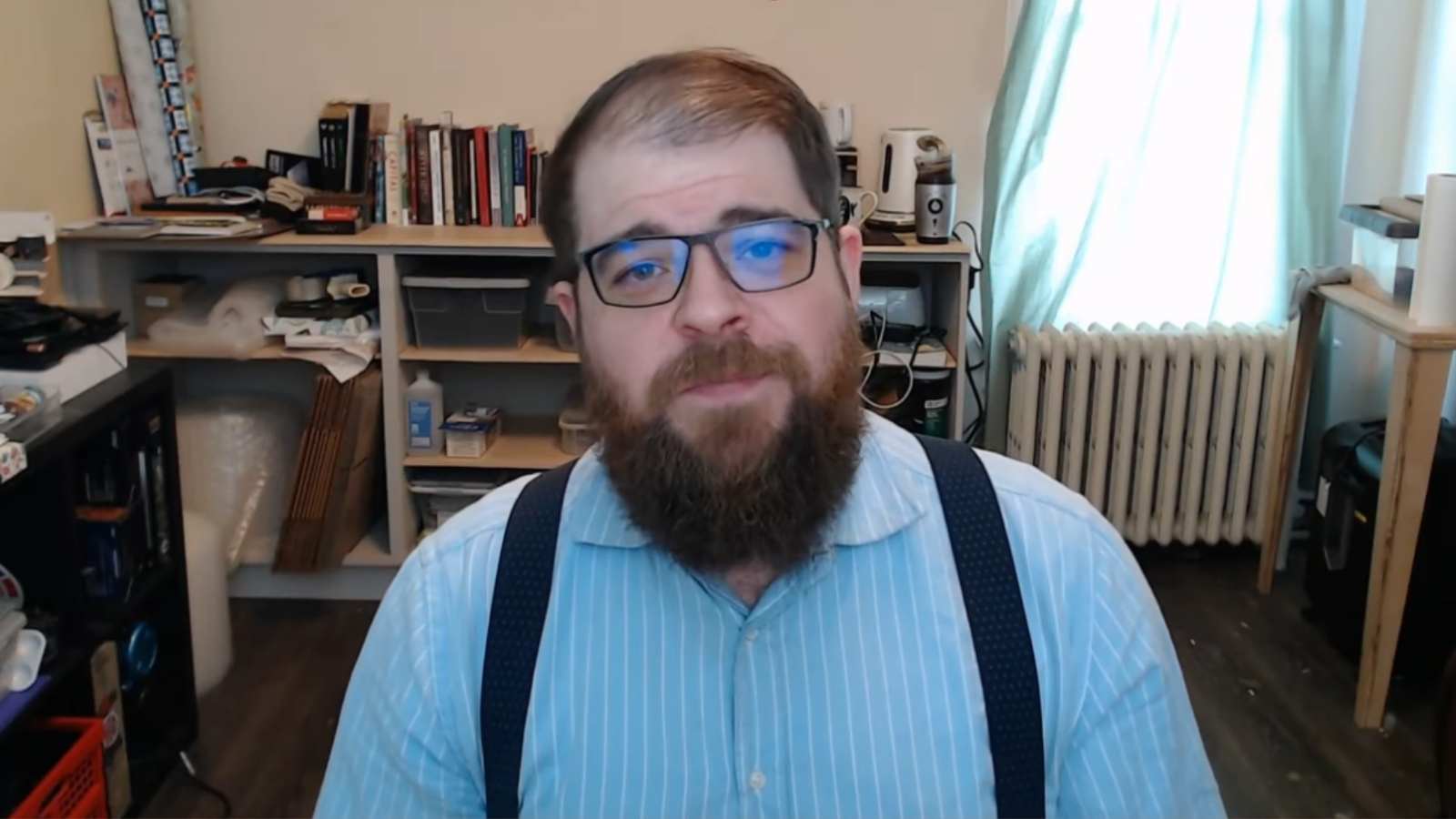
It’s hard not to feel uneasy seeing someone post a YouTube video about taxing billionaires, only to be arrested by federal agents just hours later. That’s exactly what happened to Raymond Eugene Chandler III, who calls himself a 2028 U.S. Senate candidate from Wilkinsburg, Pennsylvania. The whole situation feels like something out of a creative writing class, but it’s real, it’s federal, and it’s deeply troubling.
Federal authorities allege that Chandler spent roughly a year leaving graphic, violent voicemails targeting President Donald Trump and the family members of a sitting federal lawmaker. The FBI affidavit says the messages started as early as April 2025, with Chandler calling the president the antichrist and a great deceiver. This wasn’t a one-off angry phone call. It was a pattern that lasted for twelve months.
Adding to the complexity, a CBS News review came out around the same time. That report says at least 126 people have been charged in the past year under federal laws for threatening the president or other top officials. That number is striking. This isn’t just a one-off; it’s part of a growing trend.
Prosecutors in the Western District of Pennsylvania are seeking to have Chandler held without bond. The FBI and the Secret Service were both involved in the investigation, which tells you they took these threats seriously from the jump.
The Digital Campaign as a Potential Shield
A Pennsylvania Democrat senate candidate Raymond Chandler has been arrested after leaving multiple voicemails threatening to kill Senator John Fetterman’s 13 year old daughter and President Trump.
This is who they are. pic.twitter.com/fH8kK9vBgJ
— Right Angle News Network (@Rightanglenews) May 3, 2026
So here’s where it gets truly bizarre. Chandler wasn’t just some anonymous person typing threats from a dark room. He was running, or at least performing the act of running, for the U.S. Senate. He had a campaign website, chandlerforsenate.com. He had a fundraising page on ActBlue, which has since been deactivated. He had YouTube videos with actual policy positions, including the wealth-redistribution video that went up hours before his arrest.
His supposed target was Senator John Fetterman’s seat, with his campaign eye set on 2028, not even the upcoming 2026 cycle. That detail matters because it means the campaign was always a long-horizon play, not an immediate electoral threat. Federal investigators say they reviewed all the campaign material to verify his identity and understand the context of his statements.
The themes of his campaign platform and his voicemails reportedly overlapped significantly. The economic rage he packaged into policy language on his website seemed to mirror the language he used when he was allegedly describing acts of violence. That is a connection law enforcement made, and it raises serious questions about how far political rhetoric can stretch before it becomes a federal crime.
The Direct Access Trap of Self-Identification
Here’s the part that genuinely surprised me when I read it. People go to great lengths to stay hidden just to say far less, but Chandler allegedly did the opposite, telling his targets exactly who he was. According to the FBI affidavit, he gave his name. He gave his address. He reportedly told the congressional office that they were probably getting quite used to his voice by now.
That is not the behavior of someone trying to stay under the radar. That is someone who, for whatever psychological reason, believed his threats were a legitimate extension of his public identity as a candidate. Investigators cross-referenced his verbal self-identification with phone records and subscriber information and had him pinned down well before the May 1 arrest. He did not make it hard for them.
It’s the kind of detail that makes you pause as a writer because it defies the logic you’d expect. Most people, when doing something they know is wrong, try to hide. He seemingly did the opposite.
A Targeted Shift Toward Congressional Families
The threat against the president is the headline grabber, but one of the charges in this case is actually about something closer to home, literally. Federal prosecutors included a count for influencing or retaliating against a federal official by threatening a family member. That charge comes from an April 18 voicemail in which Chandler allegedly described a graphic, violent scenario involving a lawmaker and that official’s daughter.
The U.S. Attorney’s Office described the content of that specific message as chilling, and reportedly, additional security measures were put in place for the targeted official and their family afterward. We are talking about a child being named in a violent threat. That shifts this from political extremism into something that feels far more personal and predatory.
The Rhetoric of Armed Resistance
The voicemails, according to the affidavit, included references to building gallows, purchasing a combat knife, and urging a lawmaker to walk into the Oval Office and assassinate President Trump. All of that was wrapped in the same anti-wealth, anti-government language that populated his campaign messaging. The FBI’s Pittsburgh office made clear that the political framing of the threats does not make them any less prosecutable.
Chandler appeared in federal court on May 1 and was formally advised of the two felony charges against him. Each carries a maximum sentence of ten years in federal prison. No attorney of record is listed for him in the current reports.
A Preliminary Date in Pittsburgh
His preliminary hearing is set for May 8 in Pittsburgh federal court, where a magistrate judge will review the probable cause for the charges and decide whether he remains in custody. Prosecutors are firm on keeping him detained without bond, pointing to the weapon references as a direct public safety concern. That hearing will be the first real window into how any defense team plans to spin recordings of a man who allegedly told people exactly who he was.
The Raymond Chandler story is uncomfortable because it does not fit a clean narrative. He was not hiding. He was campaigning, at least on paper. And somewhere in between the ActBlue fundraising page and the voicemails describing throat-slitting, the line between political frustration and federal felony charges disappeared entirely