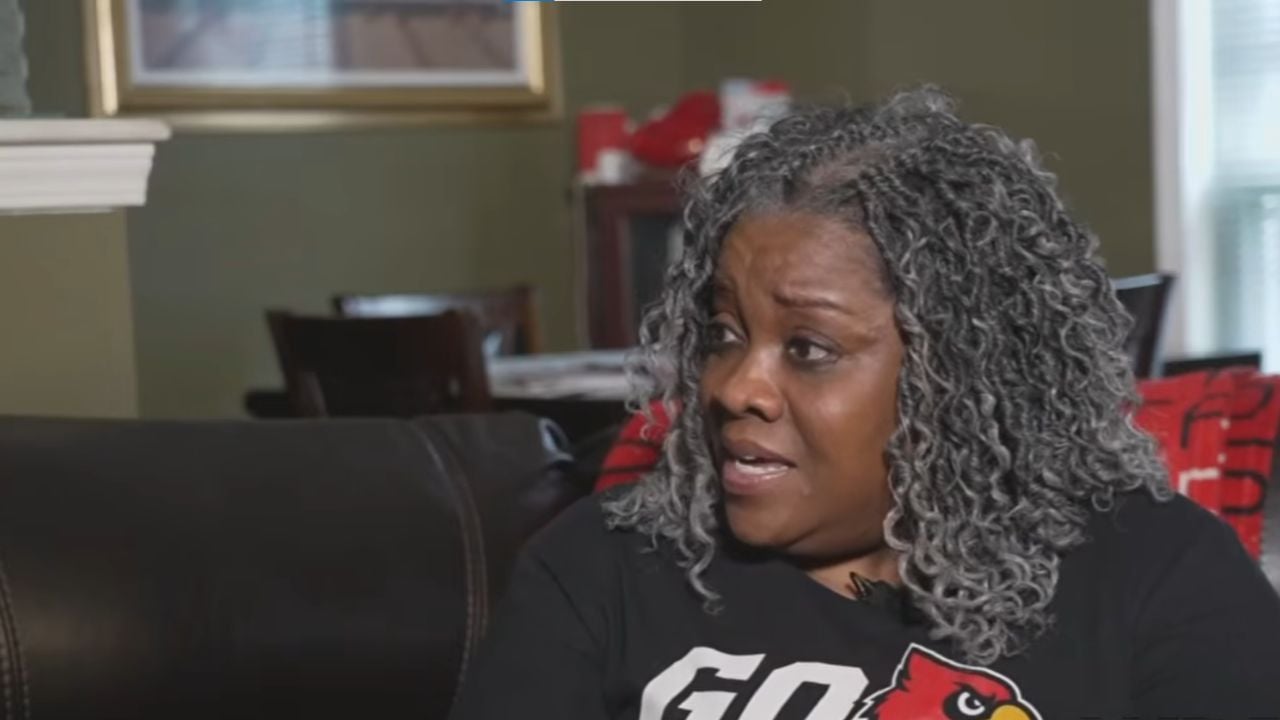
A Louisville woman says she lost $3,800 after a caller posing as Chase Bank’s fraud department convinced her to move her own money into Cash App.
Adrienne Jones-James was working from home when her phone kept ringing. The caller ID appeared to say Chase Bank Fraud, so she answered after finishing a work call.
The man on the line told her she had been scammed and claimed someone had tried to access her Zelle account. Jones-James said the caller referenced a denied Zelle attempt and other account activity before telling her to move $3,800 immediately.
The Scammer Used Account Details to Build Trust
WDRB reported that Jones-James became nervous because the call appeared to come from Chase Bank Fraud.
The caller did not begin by asking for a password or making an obvious money demand. Instead, he framed the conversation as a bank security call and told Jones-James that someone had tried to take money through Zelle.
Jones-James said the caller knew about a Zelle attempt that Chase had denied. She said he referenced an attempted $1,300 Zelle transfer, Walmart spending, and other details from her account.
That information made the call sound like a real fraud review rather than a random scam attempt.
Jones-James believed she was talking to someone who had access to internal bank details and was trying to stop money from being stolen.
The Instruction Was to Move $3,800 Into Cash App
The caller then told Jones-James to move $3,800 into Cash App. She said he presented the transfer as an urgent step to protect her savings because her account was supposedly being drained.
Jones-James later said she panicked and believed she was following bank guidance.
Because she physically made the transfer herself, the payment later became difficult to reverse even though she says she was manipulated into sending it.
The Call Dropped After the Transfer
After the money was moved, the call dropped.
Jones-James said that was when she realized the person on the phone had not been from Chase. The number had been spoofed, meaning it was made to appear as if Chase Bank Fraud was calling.
By the time she recognized the scam, the $3,800 had already been sent through Cash App.
Chase Credited the Money, Then Reversed It
Jones-James said she contacted her real bank after the scam. Chase initially credited her account, but later removed the credit and said she was at fault. Cash App also reviewed the transfer.
In an email described by WDRB, Cash App said it fulfilled Jones-James’ request to send the funds to the recipient.
The email also said a warning notification had been issued before the $3,800 peer-to-peer payment and that the warning was bypassed to complete the transaction.
Police Said No Arrests Have Been Made
Jones-James filed a police report with Louisville Metro Police. LMPD told WDRB that its investigation had concluded and that no arrests had been made based on the information available.
Police said any new evidence or information would be evaluated if it develops later.
She said she shared the story because she does not want the same thing to happen to someone else.
A Real Bank Will Not Tell You to Move Money Into Cash App
Chase warns that scammers may pretend to be from Chase and claim a customer needs to send money to another account to reverse fraud. The bank says it will never ask customers to send money to themselves.
Cash App says real service representatives will never ask for a sign-in code, PIN, password, or other sensitive login information.
Anyone who receives a bank fraud call should hang up and call the bank directly using the number on the back of the debit card, a statement, or the bank’s official website.
Victims should contact the bank and payment app immediately, ask for the transaction to be reviewed, request written explanations of any denial, and preserve every record connected to the call and transfer.
Bank impersonation and payment-app scams can also be reported to local police, the FTC at ReportFraud.ftc.gov, and the FBI’s Internet Crime Complaint Center at IC3.gov.