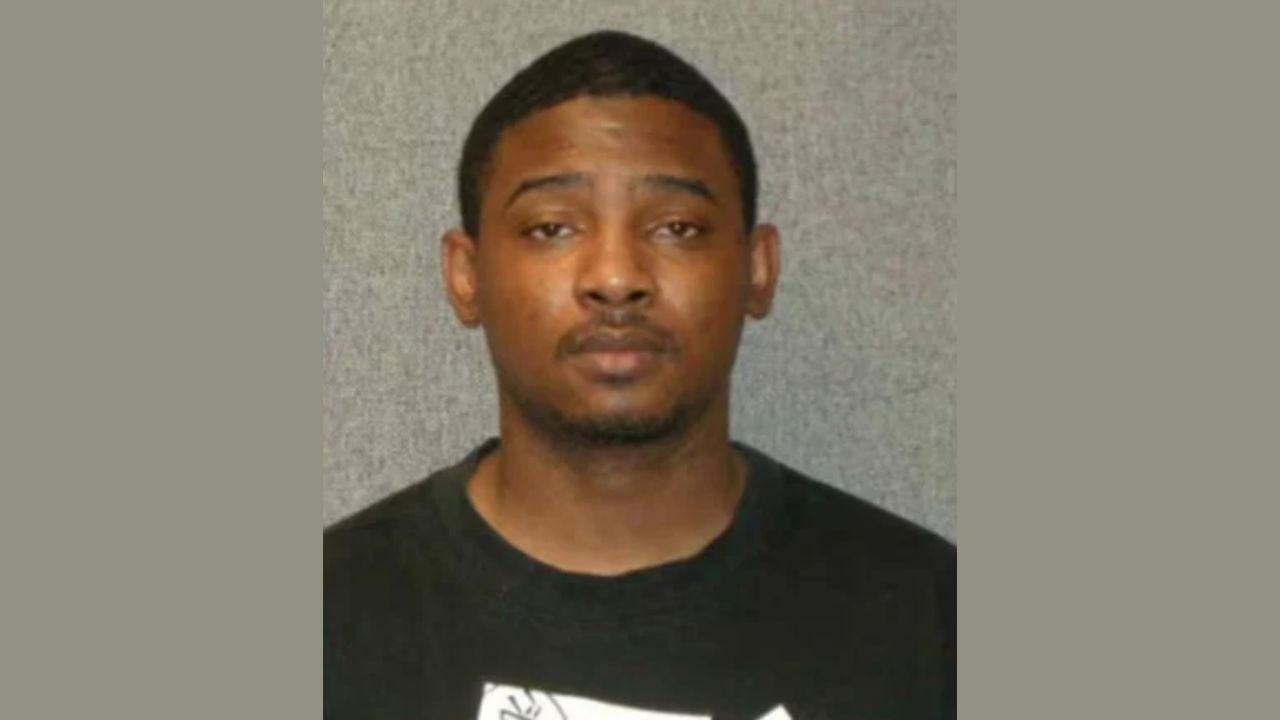
A Wisconsin business owner says a check she never authorized was cashed by a man she did not know. Investigators say he presented his driver’s license and telephone numbers at the bank, leaving identifying information connected to the disputed payment.
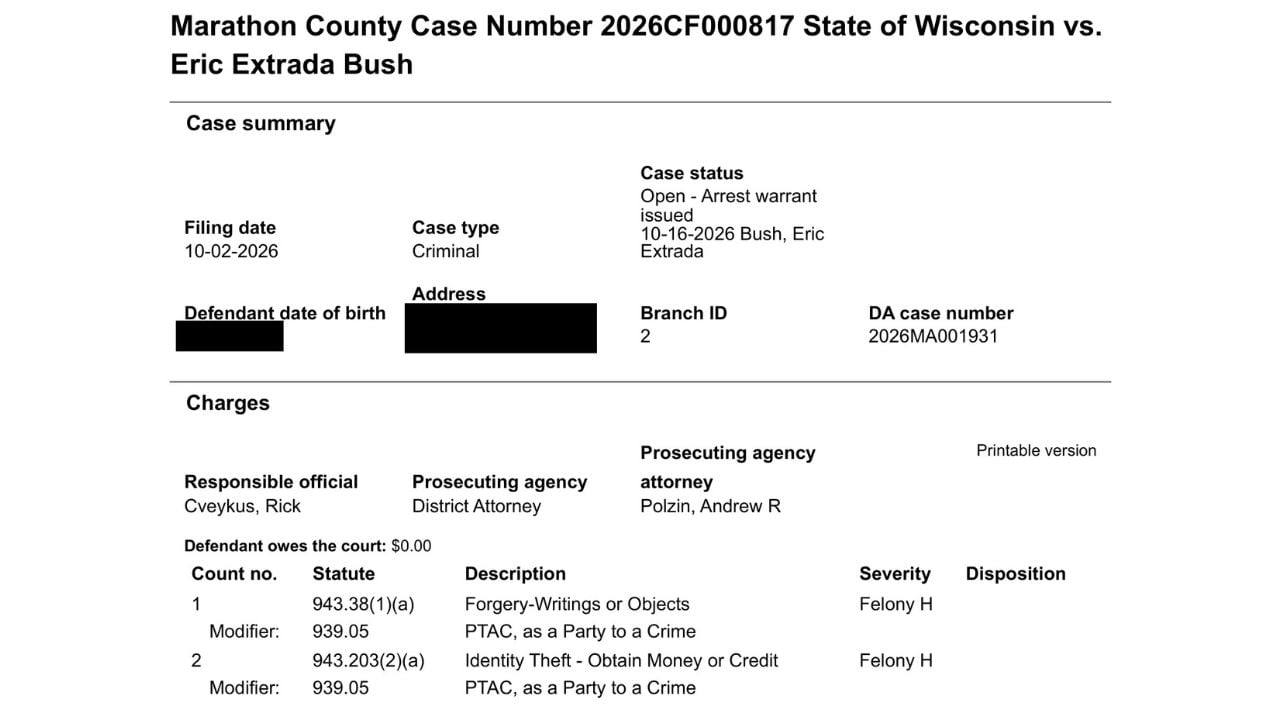
Eric Extrada Bush, 44, of Milwaukee, faces two Class H felony charges in Marathon County: forgery involving a business writing and unauthorized use of a company’s identifying information to obtain money. Both charges include a party-to-a-crime allegation.
The Marathon County case now has an active arrest warrant following Bush’s missed initial appearance. The court record also documents a request to attend remotely that was denied.
A separate check-related investigation in Fond du Lac County had already resulted in an August guilty plea to business identity theft and a two-year probation order. That conviction concerns a different case and does not determine the pending Marathon allegations.
A Disputed Business Check Led to Two Marathon Felony Counts
The check was made payable to Bush and cashed on June 13, according to a Marathon County criminal complaint reviewed by WSAW. The business owner told investigators she had not issued or approved the check and did not recognize the payee’s name.
Investigators say Bush showed his driver’s license and supplied telephone numbers when the check was cashed. A Marathon County sheriff’s deputy also reviewed bank surveillance footage and vehicle-location data while examining the transaction.
The Marathon County case summary identifies the proceeding as 2026CF000817, filed October 2. It lists one charge of forgery of writings or objects and another involving a business entity’s identifying information, each classified as a Class H felony and carrying a party-to-a-crime modifier.
A Separate Fond du Lac Case Ended in a Guilty Plea
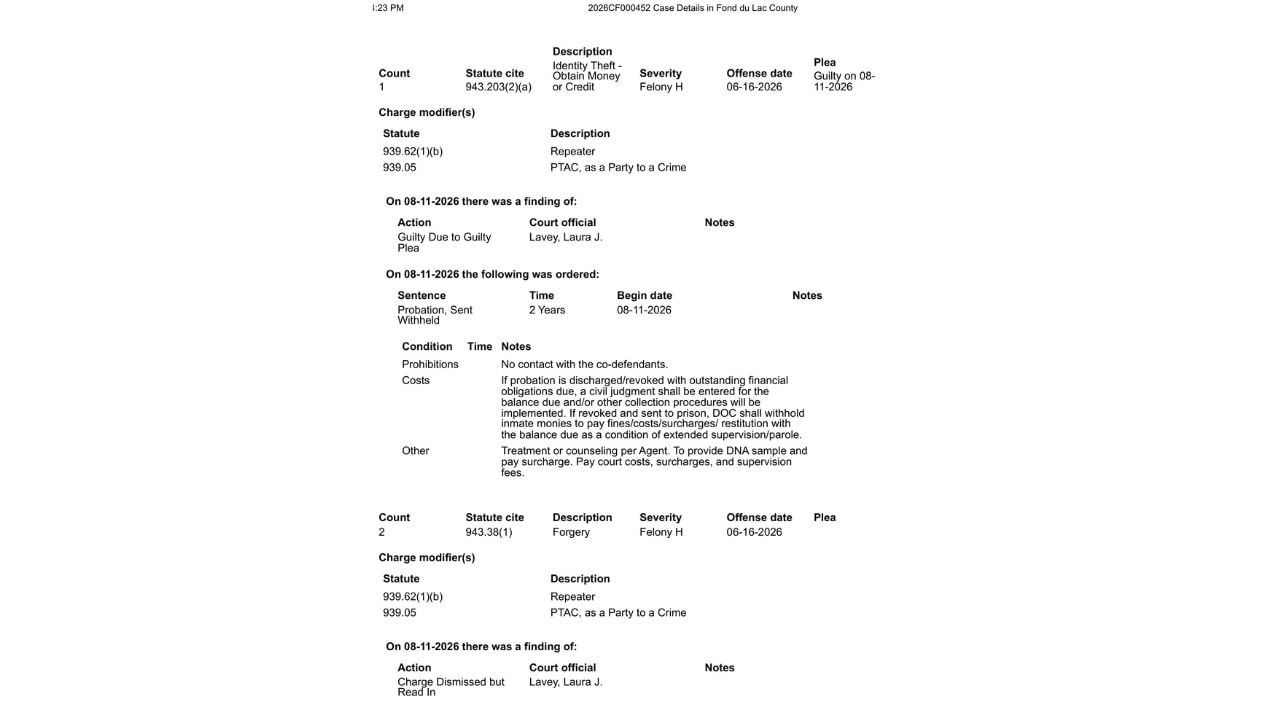
In Fond du Lac County case 2026CF000452, Bush pleaded guilty on August 11 to unauthorized use of a business entity’s identifying information to obtain money or credit. The court ordered two years of probation with the sentence withheld. A second count, forgery, was dismissed but read in rather than producing another conviction.
The Fond du Lac charge was tied to alleged conduct on June 16, 2026. Its court record also lists party-to-a-crime and repeat-offender modifiers. The judgment of conviction was entered August 17, separately from the unresolved Marathon County prosecution.
According to WSAW’s reporting on the Marathon complaint, Bush told investigators working on the Fond du Lac matter that he knew a check he had attempted to cash was fraudulent. He reportedly said two men had supplied him with checks. Those statements concern the separate Fond du Lac investigation, not a court finding about who supplied the Marathon check.
The Judge Denied a Zoom Request Before Issuing a Warrant
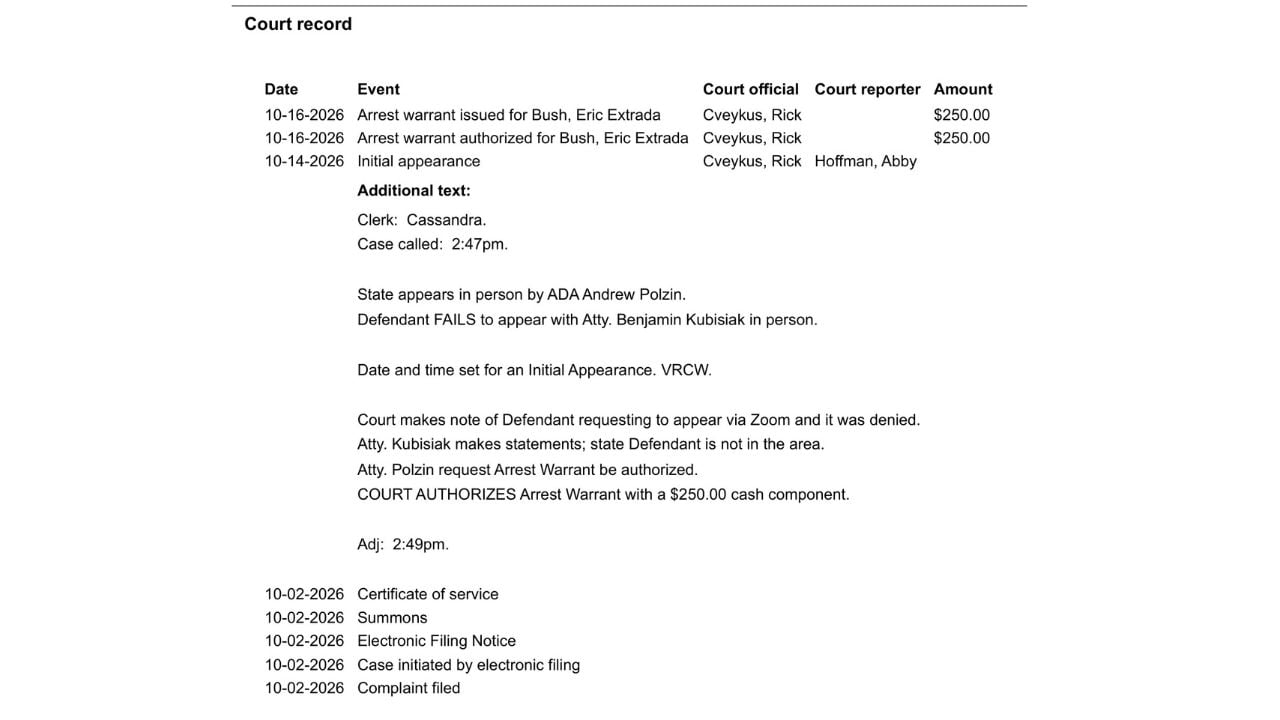
Marathon County court records show that Bush was due for an initial appearance October 14. The docket says he requested to attend through Zoom, but the request was denied. When the case was called at 2:47 p.m., Bush did not appear in person. His attorney said he was outside the area.
Assistant District Attorney Andrew Polzin requested an arrest warrant. The court authorized one with a $250 cash component, and the docket recorded the warrant as issued October 16. The public case summary continued to identify the case as open with an arrest warrant in its October 20 printout.
Wisconsin’s Charges Protect Business Checks and Account Information
The Marathon forgery count cites Wisconsin Statute 943.38(1)(a), which covers falsely making or altering certain writings used to establish business, debt or property rights with fraudulent intent. The identity-theft count cites Section 943.203(2)(a), which addresses unauthorized use of a business entity’s identifying information, including bank-account information, to obtain money or another benefit.
Both counts also cite Section 939.05, Wisconsin’s party-to-a-crime law. It can apply to someone who directly commits an offense or participates through specified forms of assistance or coordination. The modifier does not establish which alleged participant created the check.
Each is charged as a Class H felony, a classification ordinarily carrying a maximum of six years of imprisonment and a $10,000 fine, or both. Those are statutory ceilings, not predicted sentences. Bush is presumed innocent of the pending Marathon charges unless proven guilty.
How Businesses Can Flag Checks They Never Issued
A bank service called Positive Pay can compare a presented check with the checks a business has actually issued. Commerce Bank explains that standard matching can use check numbers and amounts, while payee Positive Pay also checks the intended recipient’s name. The bank can flag discrepancies for a business to approve or reject.
Business owners should regularly compare cleared check images with their payment registers, control access to blank check stock and verify unfamiliar payments immediately. The Office of the Comptroller of the Currency identifies checks an account holder did not write as a warning sign of fraud.
If a questionable check clears, contact the bank promptly to dispute it, ask what account protections are available and preserve the cleared check image, bank statements and internal payment records. Those records can help determine whether the business authorized the check or someone else used its account information.