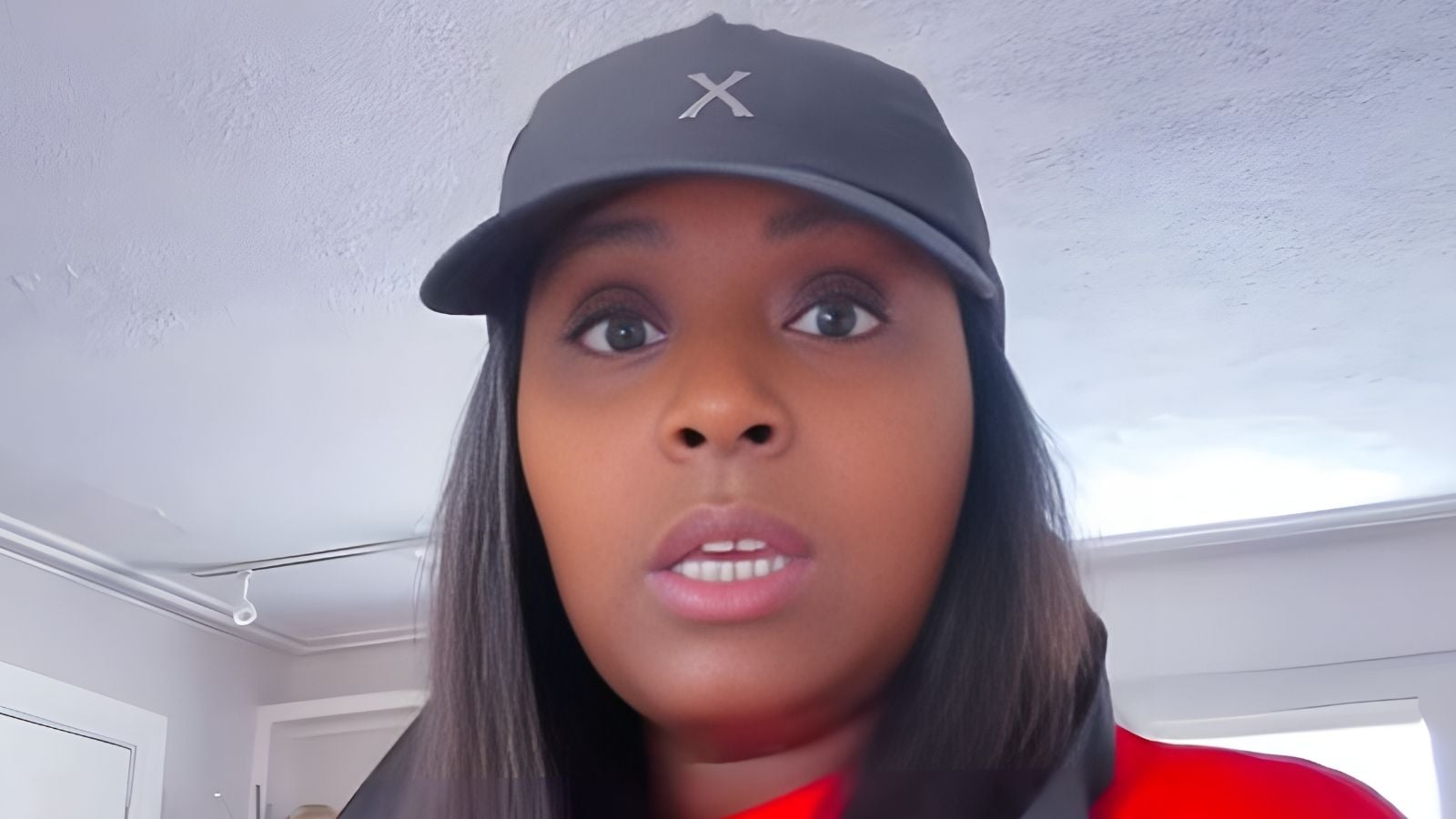
A TikTok influencer who tried to solve a real-life murder case using spiritual intuition has now been ordered to pay millions for it. Ashley Guillard, a Texas-based content creator known for her tarot card readings on high-profile cases, found herself on the losing end of a defamation lawsuit.
She accused University of Idaho history professor Rebecca Scofield of masterminding the 2022 murders of four students, all based on what she called her psychic insights. A federal jury in Boise didn’t buy it, hitting Guillard with a $10 million judgment on February 27, 2026.
The murders of Ethan Chapin, Xana Kernodle, Madison Mogen, and Kaylee Goncalves shocked the small town of Moscow, Idaho, back in November 2022. The students were stabbed to death in their off-campus home, sparking nationwide attention and countless online sleuths trying to crack the case. Guillard, with over 100,000 followers on her account, jumped in about two weeks later, posting videos that pointed the finger at Scofield.
The Accusations That Sparked the Firestorm
Guillard’s videos were bold and relentless. She claimed Scofield had a secret romantic relationship with one of the female victims, a student she allegedly never even met. Then, Guillard escalated it, saying the professor “ordered” the killings to cover up the affair.
These posts included Scofield’s photos and contact info, racking up millions of views and shares across TikTok. Scofield, who was out of state at a conference during the murders, quickly became a target. Police confirmed she wasn’t a suspect, but that didn’t stop the online frenzy.
Guillard defended her claims as coming from tarot readings and spiritual intuition. She testified later that she believed her methods helped solve cases, even representing herself in court. Despite cease-and-desist letters from Scofield’s lawyers warning her to stop, Guillard kept posting.
In one video after the lawsuit hit, she said, “I am not stopping,” and questioned why Scofield needed multiple attorneys if she was innocent. This persistence turned a viral theory into a full-blown legal battle, with Scofield filing suit in December 2022.
The Courtroom Showdown
Fast forward to the trial in U.S. District Court in Boise. By June 2024, a judge had already ruled Guillard’s statements defamatory, noting they relied solely on “spiritual intuition” with no factual basis. The February 2026 proceedings focused on damages. Scofield took the stand, describing the toll on her life.
She spoke of severe emotional distress, safety fears, and damage to her career as chair of the history department. For the first time, the two women met face-to-face in court, where Scofield confronted Guillard during cross-examination: “You were making dozens of videos about me, someone you never met, you never talked to—someone you had no connection to.”
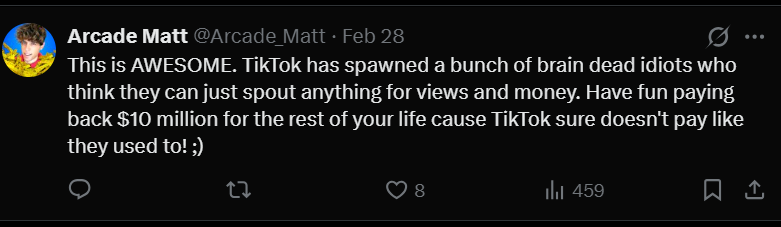
Guillard, acting as her own lawyer, argued her posts were protected beliefs rooted in psychic abilities. The jury, made up of four women and three men, wasn’t swayed. After deliberating for under two hours, they delivered a unanimous verdict. Scofield’s team had asked for a fraction of the amount, but the jurors went higher, signaling they saw Guillard’s actions as particularly harmful.
The Stunning $10 Million Verdict
The award broke down to $7.5 million in punitive damages to punish Guillard and deter similar behavior, plus $2.5 million in compensatory damages for Scofield’s suffering. Other reports specified $6.5 million tied to the murder accusations and $3.5 million for the false relationship claims. Either way, the total hit $10 million, far exceeding expectations. This wasn’t just about money; it highlighted the risks of unchecked online content.
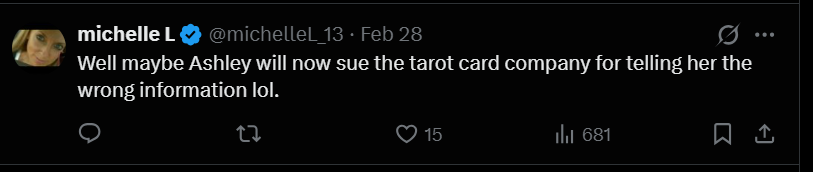
Bryan Kohberger was later convicted for the actual murders, but Guillard’s theories ignored that, focusing on baseless drama. Scofield’s win sends a message to influencers: viral fame doesn’t excuse spreading lies that harm real people.
Public Reactions and Broader Impact
Social media lit up after the verdict. On Instagram, one user quipped, “For a psychic, she sure didn’t see that coming,” capturing the ironic twist. True crime communities debated the line between speculation and slander, with some praising the outcome as a win for accountability. Others worried it might chill free speech, though experts note the case hinged on provably false statements made with disregard for the truth.
This story echoes other online defamation cases, like those involving Sandy Hook families suing conspiracy theorists. In an era where anyone can broadcast theories to millions, the verdict reminds creators to stick to facts.
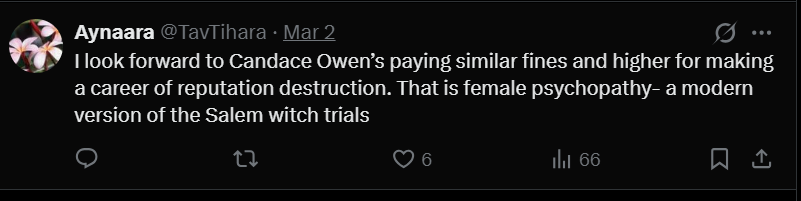
For Scofield, it’s vindication after years of stress; for Guillard, it’s a costly lesson in the power of words. As TikTok continues to shape pop culture, expect more scrutiny on how influencers handle sensitive topics like unsolved crimes.
What do you think?