
Trump’s Naming Spree Just Hit Your Wallet.
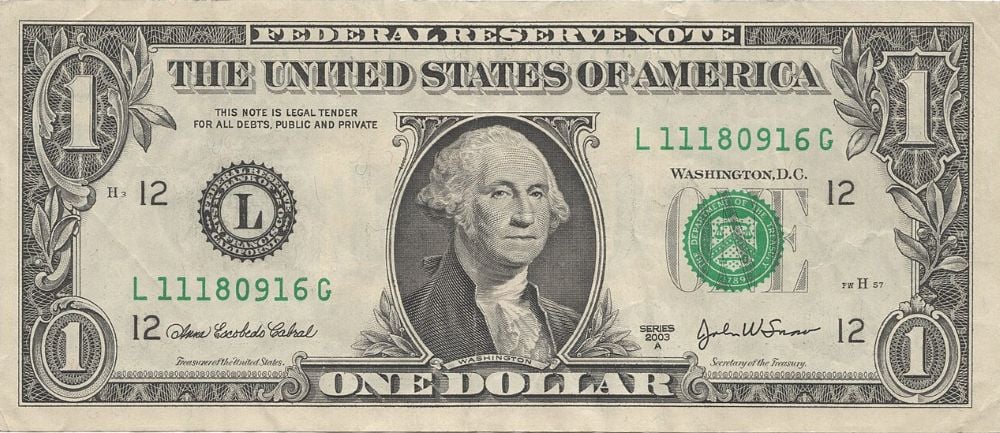
On Thursday, the U.S. Treasury announced that President Trump’s signature will appear on all new paper currency. The first $100 bills bearing his signature and Treasury Secretary Scott Bessent’s will be printed in June, with other denominations to follow. It is the first time a sitting president’s signature has appeared on a bill in the history of U.S. paper money.
Bessent’s statement: “There is no more powerful way to recognize the historic achievements of our great country and President Donald J. Trump than U.S dollar bills bearing his name.”
That sentence is doing a lot of heavy lifting. But the announcement is doing something heavier. It is replacing the U.S. Treasurer’s signature — an unbroken line dating to 1861 — with the president’s own.
The List Nobody Is Compiling
The currency move did not arrive in a vacuum. It is the latest entry in a pattern that has been building for months, and the full list looks different when you see it all at once.
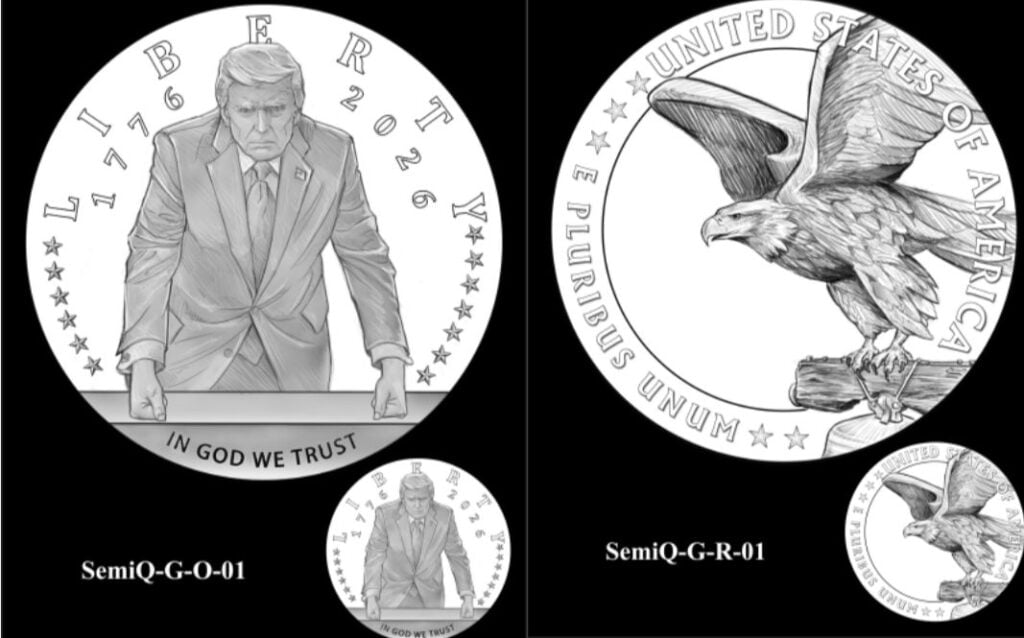
Trump’s board voted to add his name to the Kennedy Center for the Performing Arts. The administration renamed the U.S. Institute of Peace. He attached his name to a new class of Navy battleships. His handpicked commission approved a 24-karat gold coin featuring his image — leaning forward with both fists on a table. He launched TrumpRx for prescription drug pricing and the Trump Gold Card, which offers residency and a path to citizenship for a premium price. In 2020, he stamped his name on COVID stimulus checks.
And now the dollar bill.
Each of these, individually, could be explained as branding, legacy-building, or administrative reorganization. But no president has done all of these, and no president has put his actual handwriting on circulating U.S. currency while still holding office.

What the 165-Year Line Meant
Since 1861, American paper currency has carried the signatures of Treasury officials — the Treasury Secretary and the U.S. Treasurer. Not the president. The tradition was not accidental. Currency is supposed to represent the nation, not the person running it at any given moment. The faces on bills are dead for a reason.
The last Treasurer whose signature will appear on U.S. currency is Lynn Malerba, who served under Biden. She is the final name in that 165-year chain. The next bill will carry Trump’s signature instead.
The stated justification is the country’s 250th anniversary. But the Semiquincentennial is about the founding of the United States, not the presidency of one man. George Washington’s signature does not appear on the dollar bill that bears his face. Trump’s signature will appear on every denomination.
The Reaction Is Already Legislative
Democrats in Congress have introduced legislation to prohibit any living or sitting president from appearing on U.S. currency.
Trump’s supporters see this as earned recognition for a president they believe is reshaping the country. His critics see it as something closer to what authoritarian leaders do when they plaster their image across national institutions. Both groups are going to carry these bills in their wallets.
Every tip, every grocery run, every rent payment — his name will be on it. The currency that changes hands between people who voted for him and people who did not will carry his signature in a place where no president’s signature has ever been.
The Question the Anniversary Doesn’t Answer
Every president wants a legacy. Buildings get named. Libraries get built. Policies carry informal labels for decades. That is normal. What is not normal is the velocity. The Kennedy Center, the Institute of Peace, the battleships, the gold coin, the drug website, the residency card, and now the dollar — all within 14 months of taking office for a second time.
At some point, the question shifts from “is this appropriate” to “what exactly is being celebrated.” The 250th anniversary of American independence is a celebration of a country. Putting one man’s signature on every piece of paper money in circulation is a celebration of a president. Those are not the same thing.
Washington’s face is on the dollar. His signature is not. That was a choice 165 years of presidents respected. It is no longer being respected. And the only explanation offered is that printing his signature on the nation’s money is “not only appropriate, but also well deserved.”
So who decides when a legacy becomes a label? The voters, the historians, or the man whose name is already on the bill?