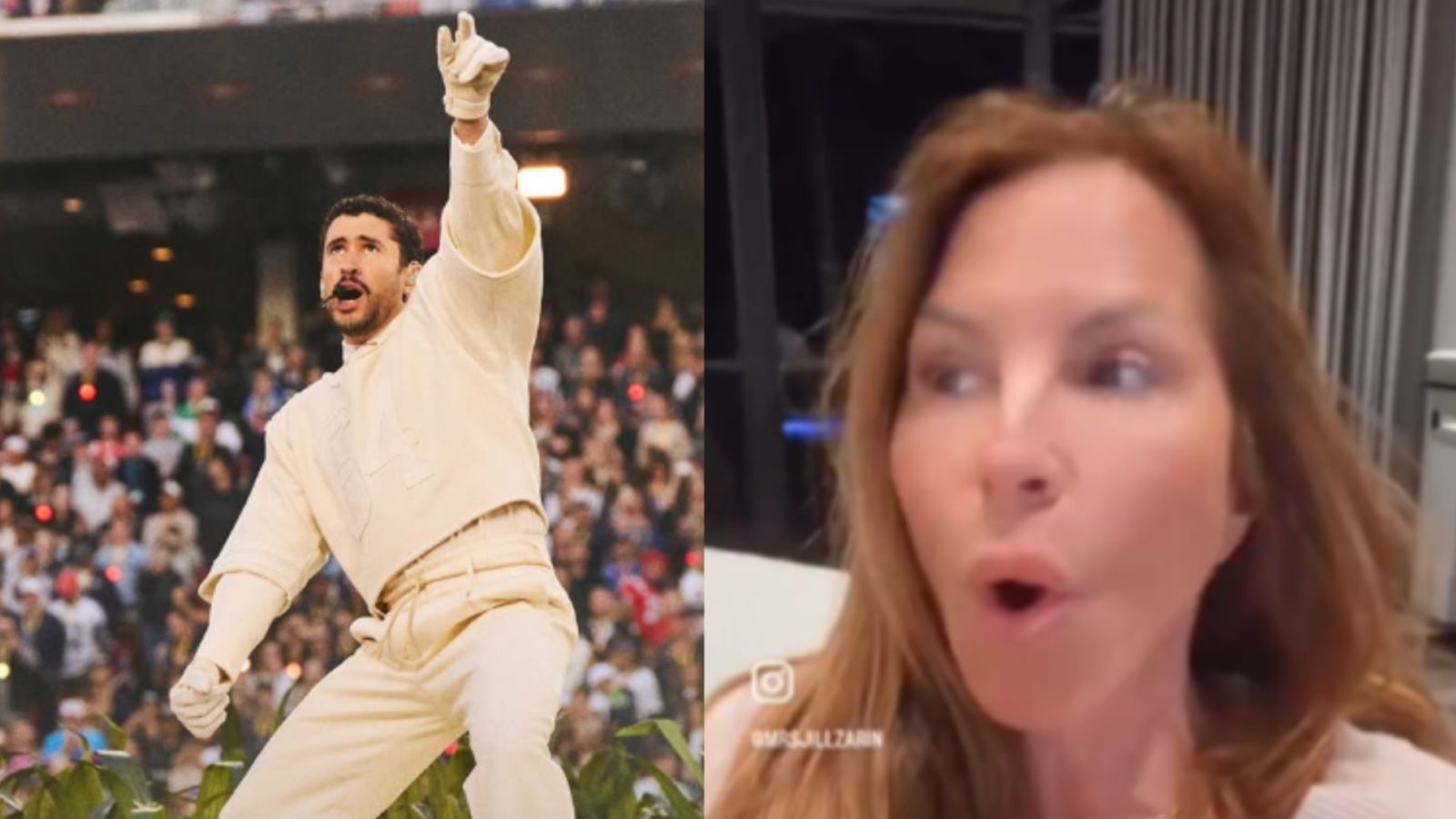
It’s been four days since Bad Bunny took the Super Bowl halftime stage, and the body count keeps rising.
Jill Zarin: out. Taylor Armstrong: getting dragged. Country artists: stepping into a mess they didn’t need. Conservative media: reminded that “parallel America” is still a smaller room. Meanwhile, Apple Music is counting the upside, the NFL is feeling validated, and Bad Bunny is cashing in globally.
The Super Bowl wasn’t just a game. It was a career-defining moment for everyone who decided to make it a referendum. Now we’re seeing who bet right, and who’s eating the consequences.
The Casualties: Who Lost
Jill Zarin. Out Before Filming Even Started
What happened: Jill posted a 75-second Instagram rant calling Bad Bunny’s halftime show “inappropriate” for being in Spanish, and complaining there were “literally no white people” in it.
The damage: She was dropped from E!’s new reunion series, The Golden Life, within days of the project being announced. The comeback window opened, and she slammed it shut herself.
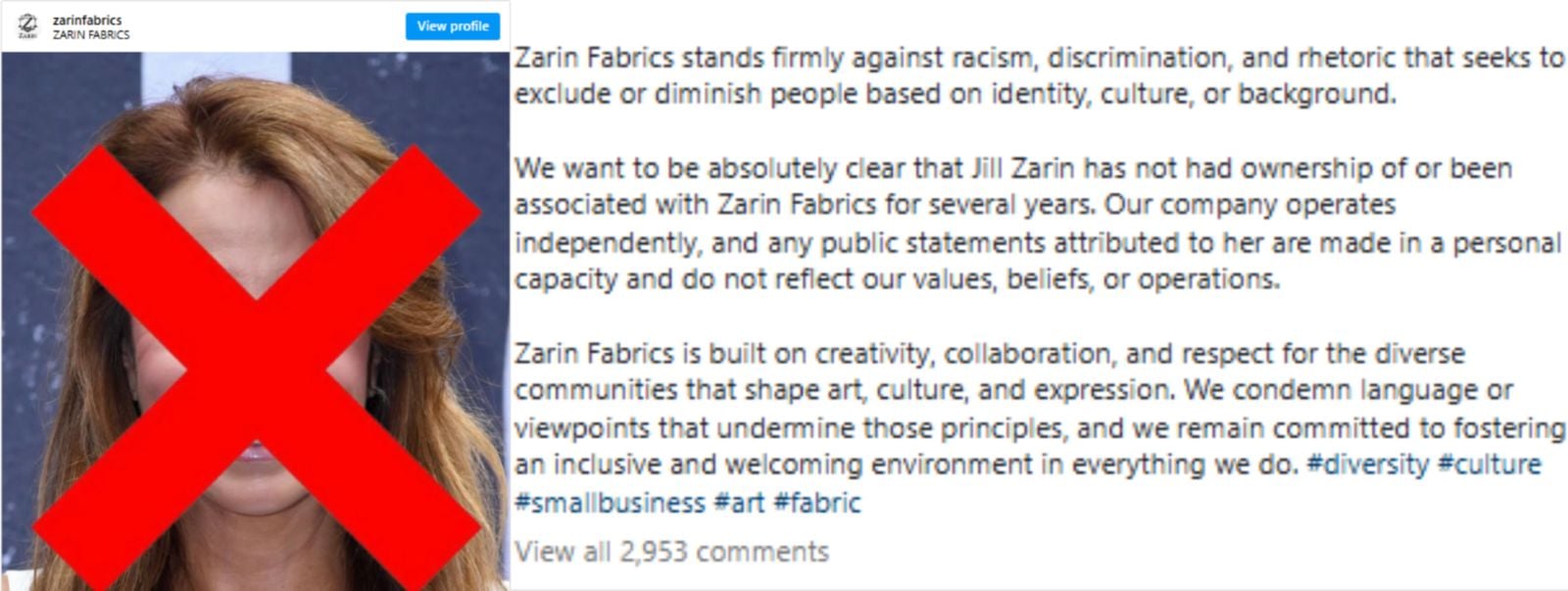
The pile-on: Her own daughter Ally Shapiro publicly praised Bad Bunny’s performance. Zarin Fabrics posted her photo with a giant red X over it and clarified she hasn’t been connected to the business in years. Other Housewives reacted with open disgust, and even Jill’s own castmate Sonja Morgan posted inclusivity-coded shade.
The prediction: Andy Cohen referenced her situation on-air before the axe fell, basically telling the network to handle it. Then they did.
Current status: She’s insisting she’s being treated unfairly, while the public reads the comments as something uglier.
Verdict: Not “canceled.” She made herself too expensive to book.
Taylor Armstrong. Not Fired, Just Publicly Embarrassed
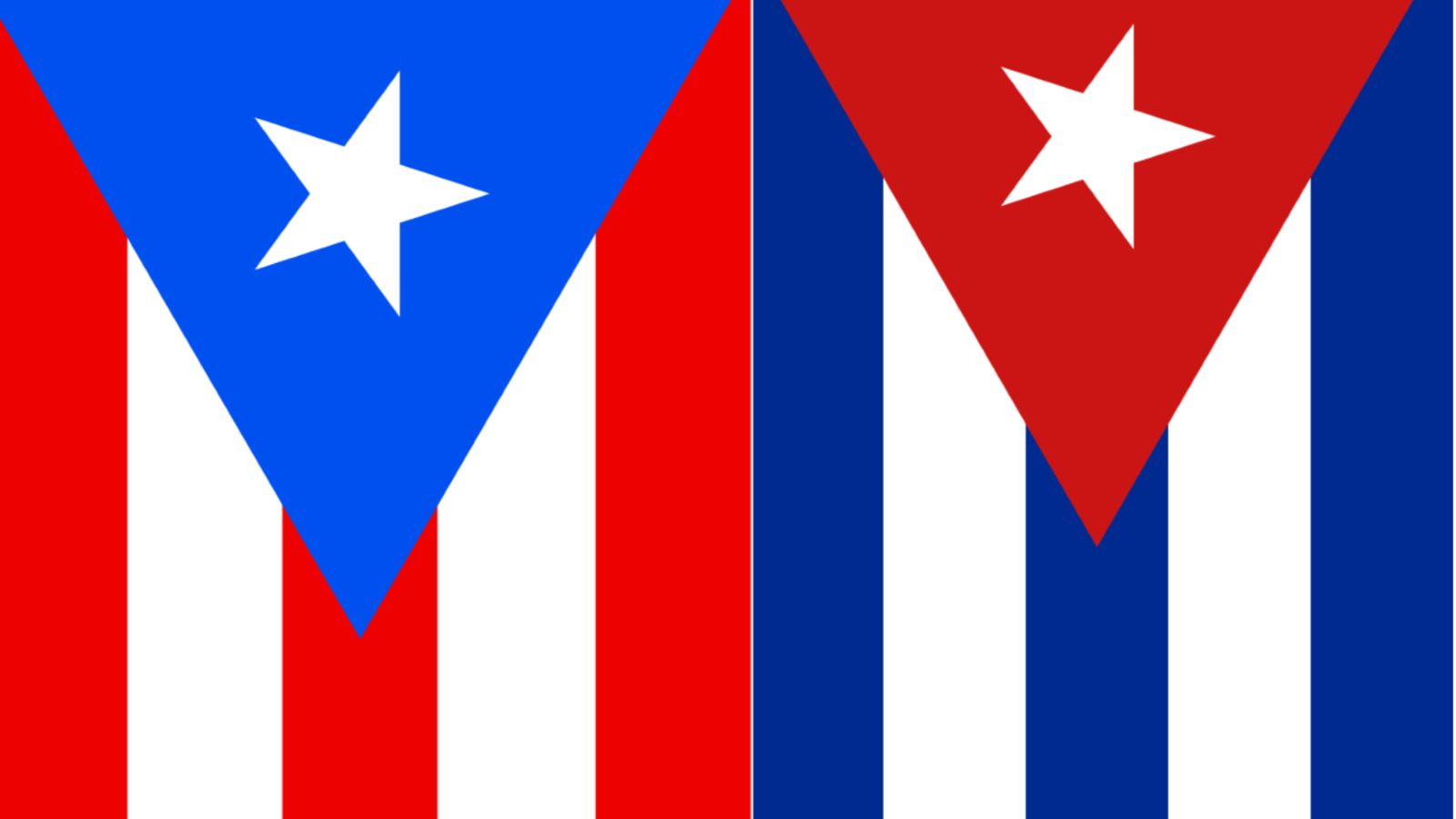
What happened: Taylor posted an Instagram Story saying she was “embarrassed for the NFL and Apple” because the halftime show was “totally in Spanish” and referenced a “Cuban flag.”
The mistake: Bad Bunny is Puerto Rican, and the halftime finale leaned into flags across the Americas. She turned a global broadcast into a confident, incorrect hot take.
The damage: She got cooked for it, and she earned it. Not because people are fragile, but because she posted sloppily and loudly.
Update (Feb. 12): Taylor issued a formal apology this morning, but the “Gladiator” meme receipts are already permanent. The apology may cool the temperature. It won’t delete the screenshot.
Verdict: No job ended on the spot. But she lit goodwill on fire for free.
Lee Brice, Gabby Barrett, Brantley Gilbert. The Quiet Damage
What happened: They headlined Turning Point USA’s counter-programmed “All-American Halftime Show,” positioned as an alternative to the NFL’s production.
What they signed up for: Lee Brice previewed “Country Nowadays,” including a lyric about telling your daughter “little boys ain’t little girls,” then framed the pushback as persecution. That’s not neutral entertainment, that’s culture-war signaling.
The damage: Country’s long-running “we’re for everyone now” storyline does not survive artists volunteering for a side-stage referendum. Even if they sounded great, the symbolism is the headline.
Verdict: They didn’t end their careers. They narrowed them. The ceiling drops when half the market thinks you’re a statement.
Conservative Media Platforms. Proved They Can Mobilize. Also Proved Their Ceiling.
What happened: TPUSA’s counter-show ran opposite the NFL halftime moment, with conservative audiences treating it like an “alternative.”
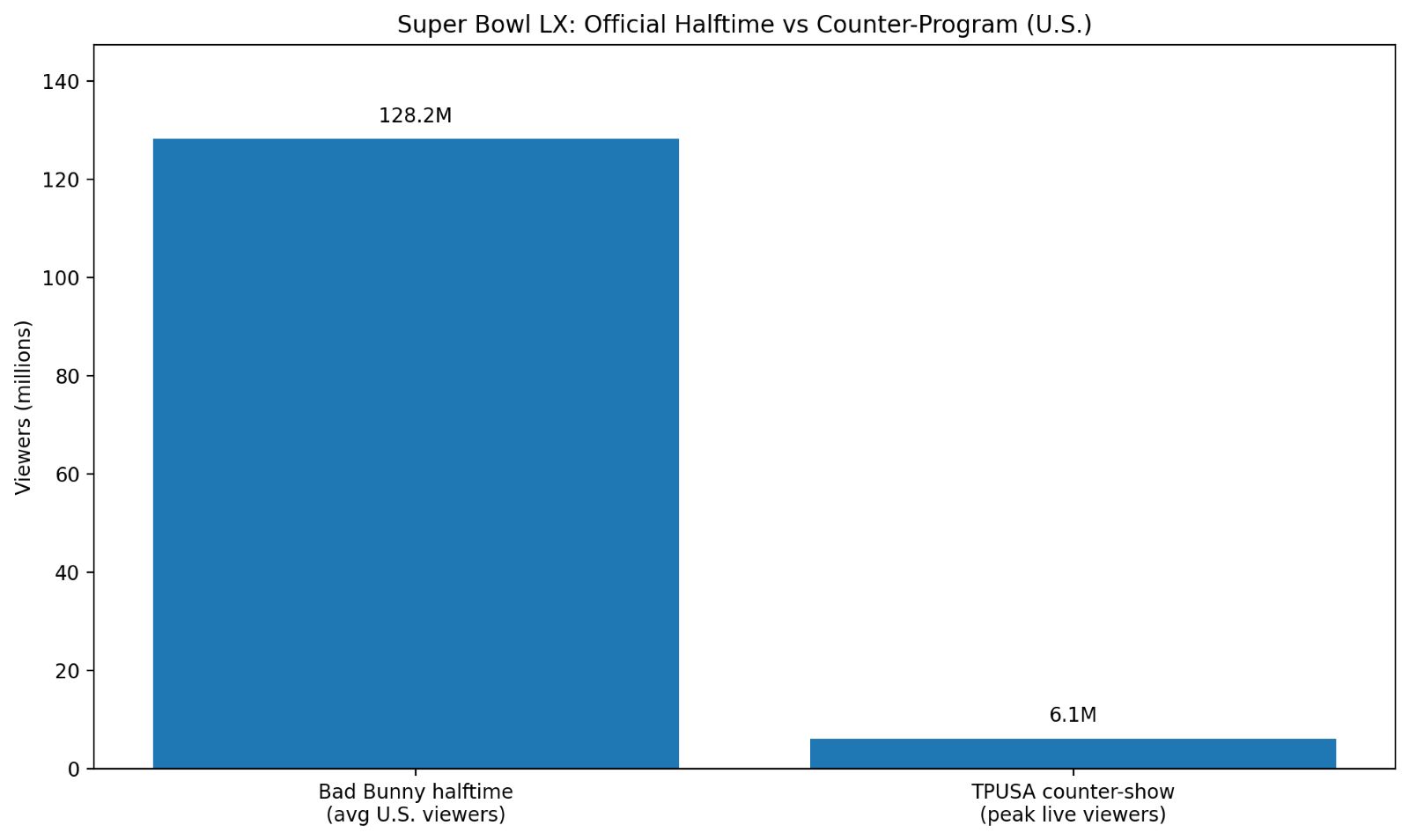
The numbers: Reports pegged the TPUSA stream at roughly 6.1 million concurrent viewers at peak. The official broadcast averaged 124.9M for the game, and the halftime show averaged 128.2M in the U.S.
Verdict: Parallel economy, parallel audience size.
The Winners: Who Came Out Ahead
Apple Music. The Deal Got the Scale
Apple Music’s branding sits on the halftime show under a multi-year naming-rights deal that industry reports have valued around $50M per year.
This year, the bet came with noise, backlash, and endless discourse. Apple still got what it paid for. It also bought Apple something you can’t purchase with a normal ad buy: ownership of the conversation. Every recap, clip, and replay carried the Apple Music tag. In a night built on attention, Apple didn’t have to win the debate. It just had to keep the room watching.
The vindication:
- Super Bowl LX averaged 124.9M viewers (second-most watched Super Bowl)
- The halftime show averaged 128.2M viewers in the U.S.
- NFL social content around the game pulled roughly 4B views in 24 hours, with Bad Bunny clips dominating the platform highlights
Verdict: Apple didn’t sponsor “safety.” It sponsored scale.
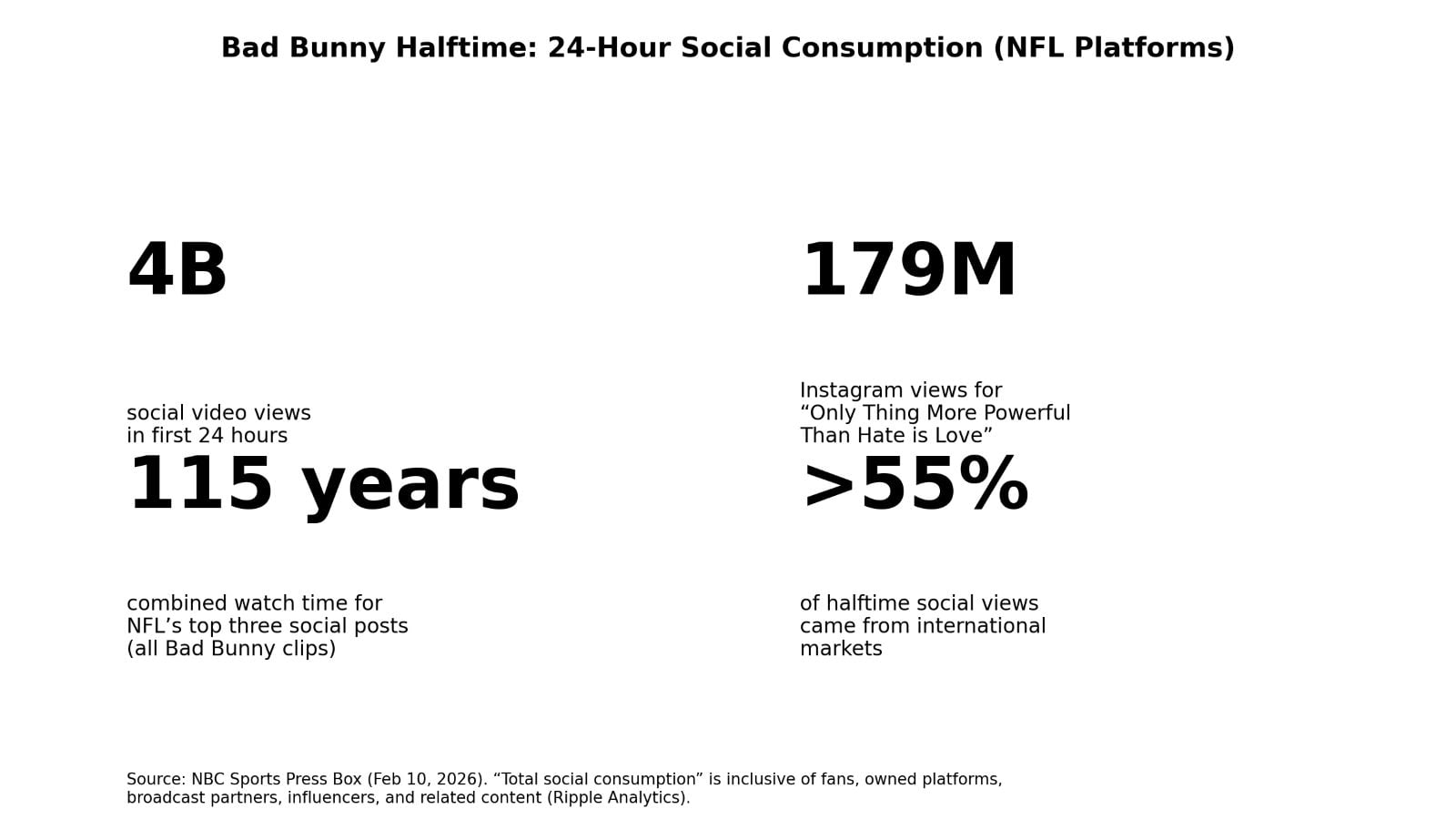
The NFL. Got the Only Metric That Matters
The league took heat, got boycott threats, and got counter-programming. Then it got the numbers.
That is the whole point of the Goodell era. Turn controversy into fuel, turn outrage into reach, then sell the reach at a premium. The “boycott” became free advertising. The counter-show became proof that the alternative room is smaller. When the dust settled, the broadcast still pulled a massive audience, and the Spanish-language window hit a record. Now the league can point to hard metrics, not vibes. Sponsors paid. The league moved on smiling.
The data that matters:
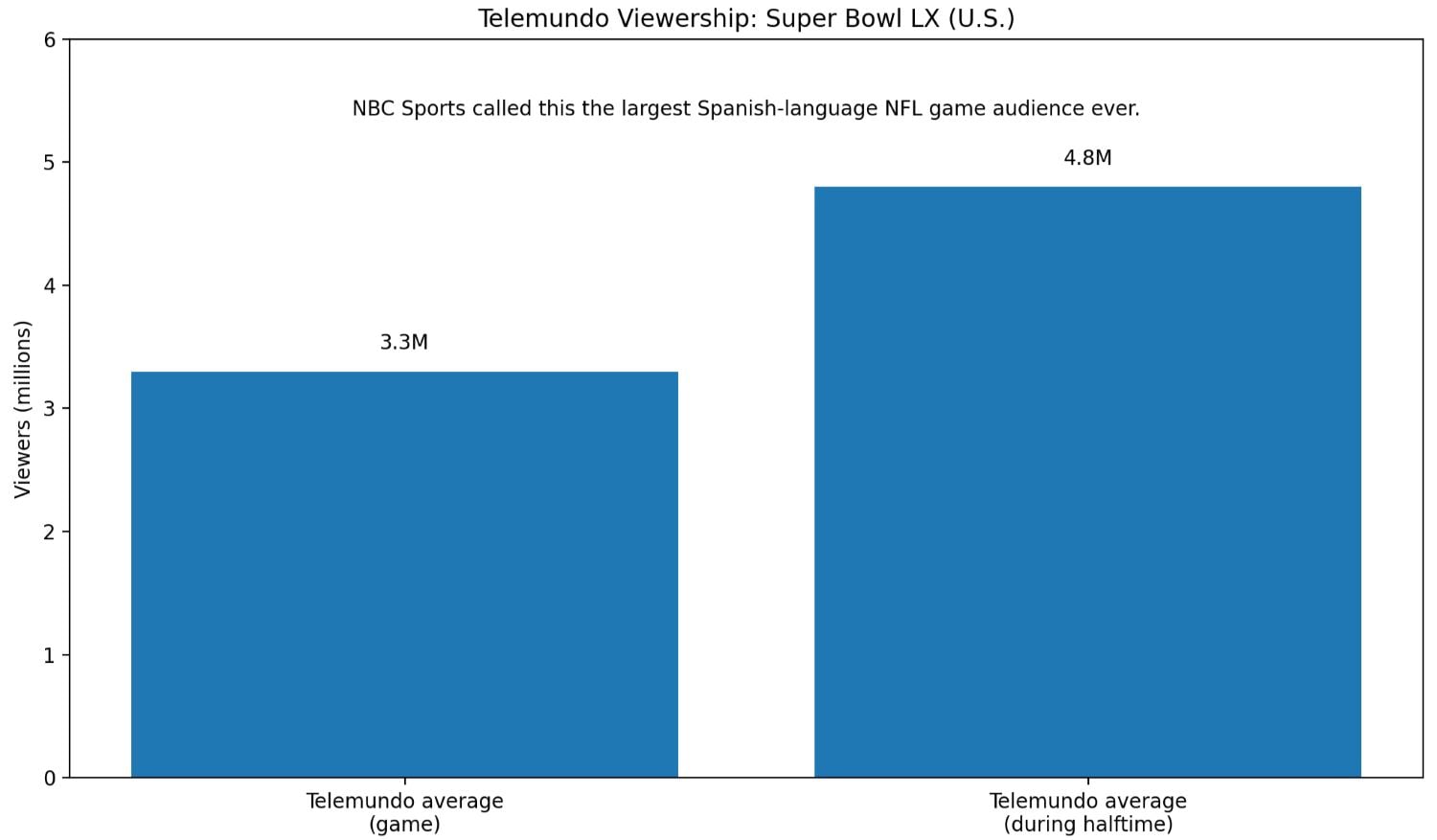
- Telemundo averaged 3.3M, with halftime averaging 4.8M, which NBC Sports called the largest Spanish-language NFL game audience ever
- The broadcast peaked at 137.8M at its high point
Verdict: The NFL didn’t just survive the controversy. It monetized it. The “boycott” didn’t register where it counts.
Bad Bunny. From “Too Divisive” to Too Big To Ignore
This is the part critics hate. He didn’t contort himself to fit the Super Bowl. The Super Bowl stretched.
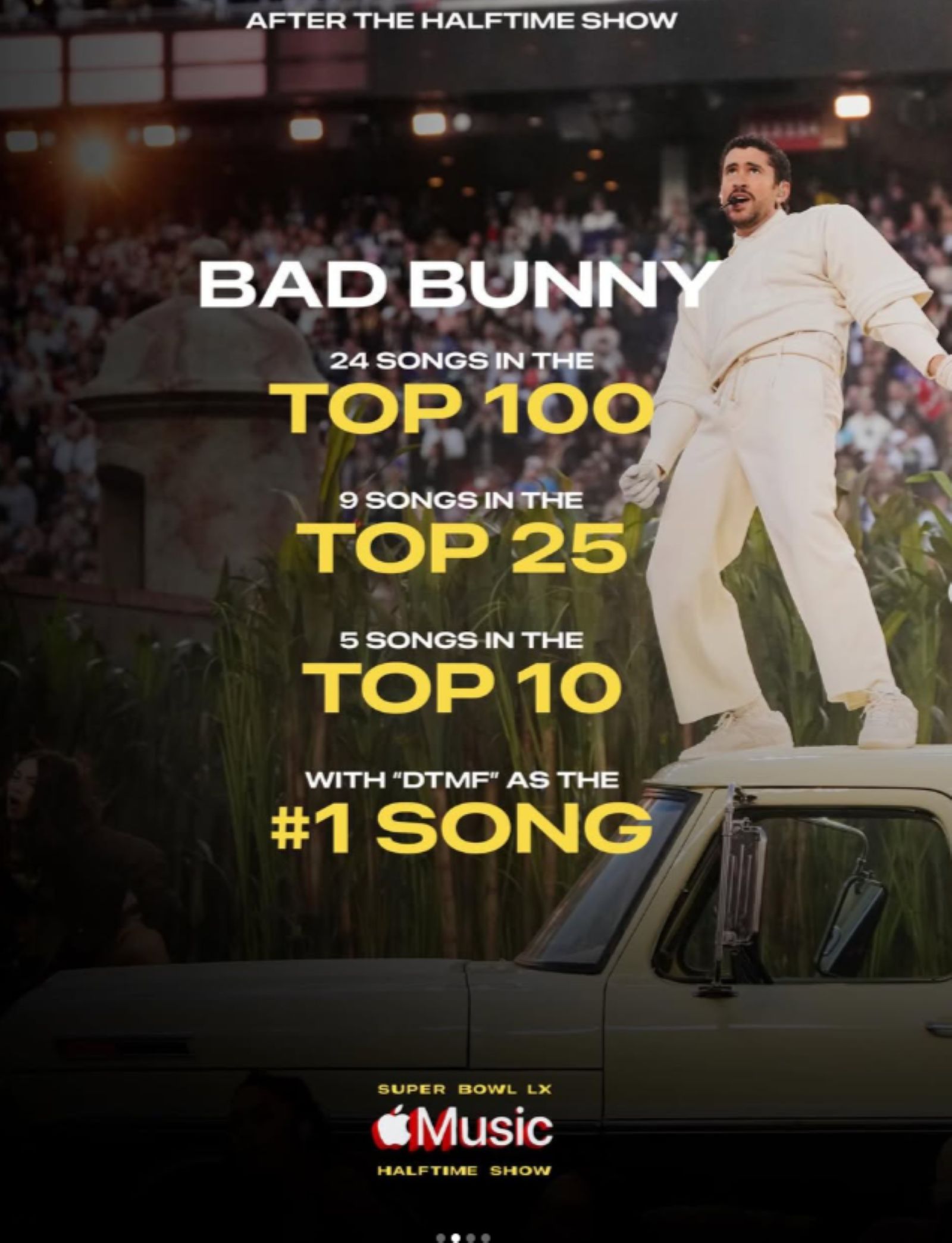
After the performance: Apple Music treated the aftermath like a platform win, highlighting a post-show listening surge. His streams reportedly jumped 7x, he hit No. 1 in 46 countries the next day, and he landed 24 songs on Apple Music’s Daily Top 100 Global chart. The outrage cycle didn’t slow him down. It fed the machine.
And once the numbers hit, “controversy” started looking like free marketing.
Verdict: He benefited, and so did the league.
Kid Rock. Built for the Counter-Stage
If anyone “won” the counter-show lane, it’s Kid Rock. He closed it, he fit it, and he gave that audience exactly what it came for.
Verdict: Not a reinvention. Brand reinforcement.
The Complicated Cases: TBD
Bethenny Frankel. Escaped Consequences (For Now)
What happened: Bethenny posted a TikTok questioning the “line” for personal, cultural, and political messaging on major stages, then deleted it.
The pivot: She quickly flipped to praising Bad Bunny, including an all-time Bethenny-style overcorrection about Puerto Rico.
Verdict: She smelled smoke and moved fast. Jill stayed in the fire.
The Bottom Line
Four days after the Super Bowl, the scoreboard looks like this.
If you bet against Bad Bunny:
- Jill Zarin: Lost the gig, became too expensive to book
- Taylor Armstrong: Looked sloppy in public
- Country artists: Bought themselves a narrower future
- Counter-programming: Proved the base exists, proved the scale is smaller
If you bet on the main stage:
- Apple Music: Got scale and global conversation
- The NFL: Got the numbers and expanded reach
- Bad Bunny: Got the post-show surge
The Super Bowl forced people to pick a side. Some picked right. Others are learning that the internet doesn’t just watch. It keeps receipts.
And receipts have a compounding effect. The first bad post doesn’t just go viral. It becomes the first paragraph of your Google results, the clip editors cut into montages, the screenshot that follows you into every pitch meeting. Meanwhile, the winners get the opposite. proof of scale, proof of demand, proof they can take heat and still win the room.
Who do you think made the worst bet? And will more casualties emerge, or is the damage done? Sound off below.