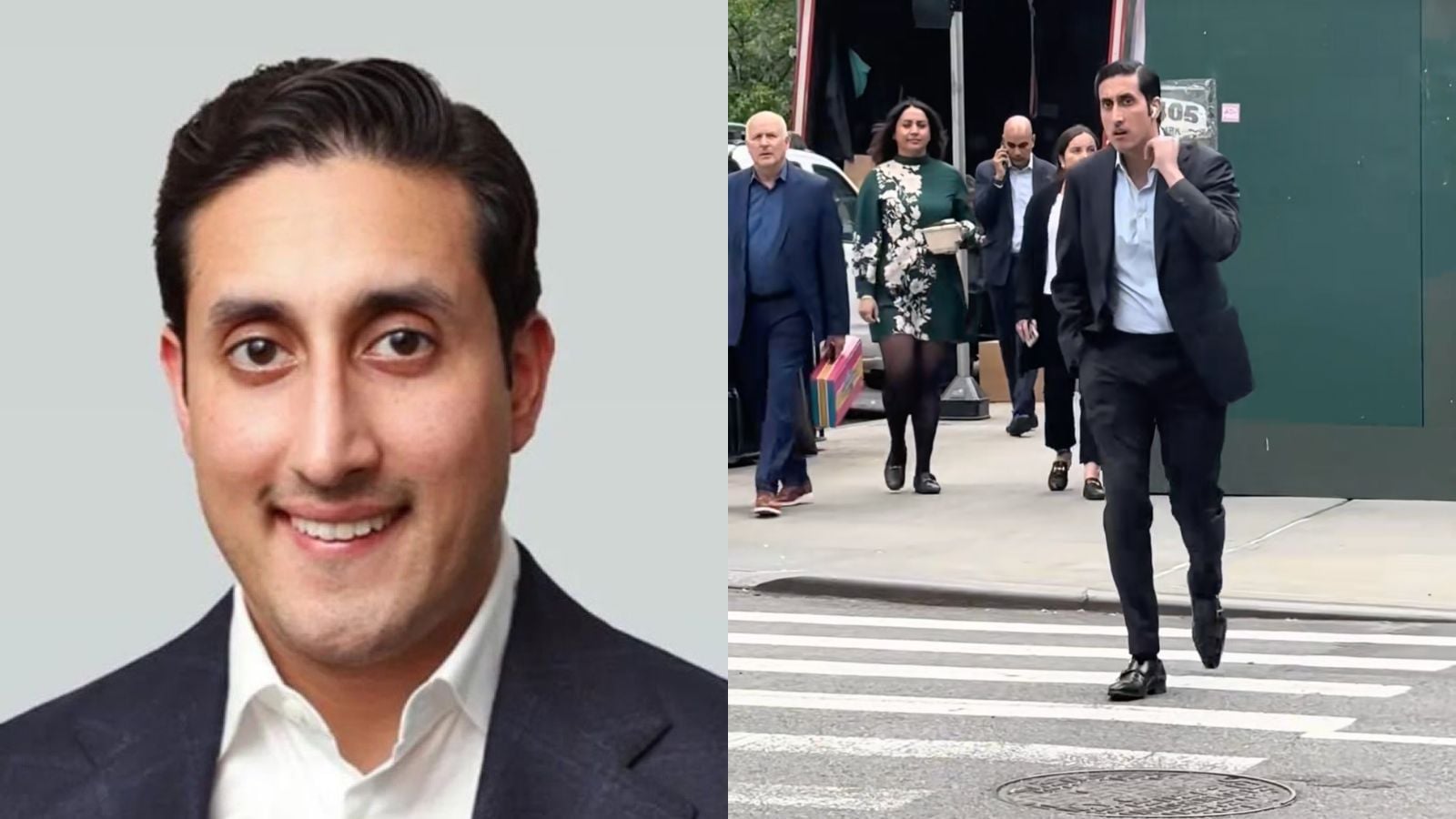
Two years before Chirayu Rana became a viral name on Wall Street, a TikTok creator filmed him crossing Park Avenue in a dark suit and thought he looked sharp.
Michaela Bublikova runs @dudesinsuitsnyc, a street-style account with nearly 150,000 followers where she films well-dressed men walking through Midtown Manhattan. Since 2022, she has posted hundreds of these clips, set to music, tagged to trend. The men rarely know they’re being filmed. None of them are identified by name. The account celebrates the suit, not the person inside it. It has nearly nine million likes.
In May 2024, Bublikova captured Rana near East 54th Street, standing at a crosswalk in a dark suit, open collar, dress shoes. He fit the theme. She posted the clip. It settled into her feed alongside hundreds of others.
Then, in April 2026, Rana filed a sexual harassment lawsuit against JPMorgan executive Lorna Hajdini under the name “John Doe.” He cited threats to his family as justification for keeping his identity sealed. Within days, the New York Post identified him. And Bublikova’s comment section started doing something the courts hadn’t gotten around to yet.
A 12-Second Clip Outlasts a Sealed Filing
@dudesinsuitsnyc Oh well… @New York Post | News #nyc #jpmorgan #financenews #fyp ♬ original sound – Torrell Tafa
The original video is 12 seconds long. Rana walks through a crosswalk. The camera catches his suit. There is no interview, no interaction, no context.
After the Daily Mail published details of the lawsuit on April 29, 2026, the story detonated. The Daily Mail’s post on X collected 43.9 million views in a single day. Memes followed almost immediately. The scandal earned its own Know Your Meme entry within 48 hours. Joe Rogan called the claims the work of “the horniest guy ever” on his podcast. By the time Rana was publicly identified, his face was already circulating in screenshots, reaction posts, and side-by-side comparisons across X, TikTok, and Instagram. Bublikova’s viewers found the two-year-old clip and started flooding the comments. The man they had scrolled past in 2024 was now at the center of one of the most viral Wall Street stories of the year.
She told the Post she had no idea who he was when she filmed him. Her follow-up TikTok referencing the connection has since gone viral on its own.
What the Lawsuit Claimed and What the Bank Found
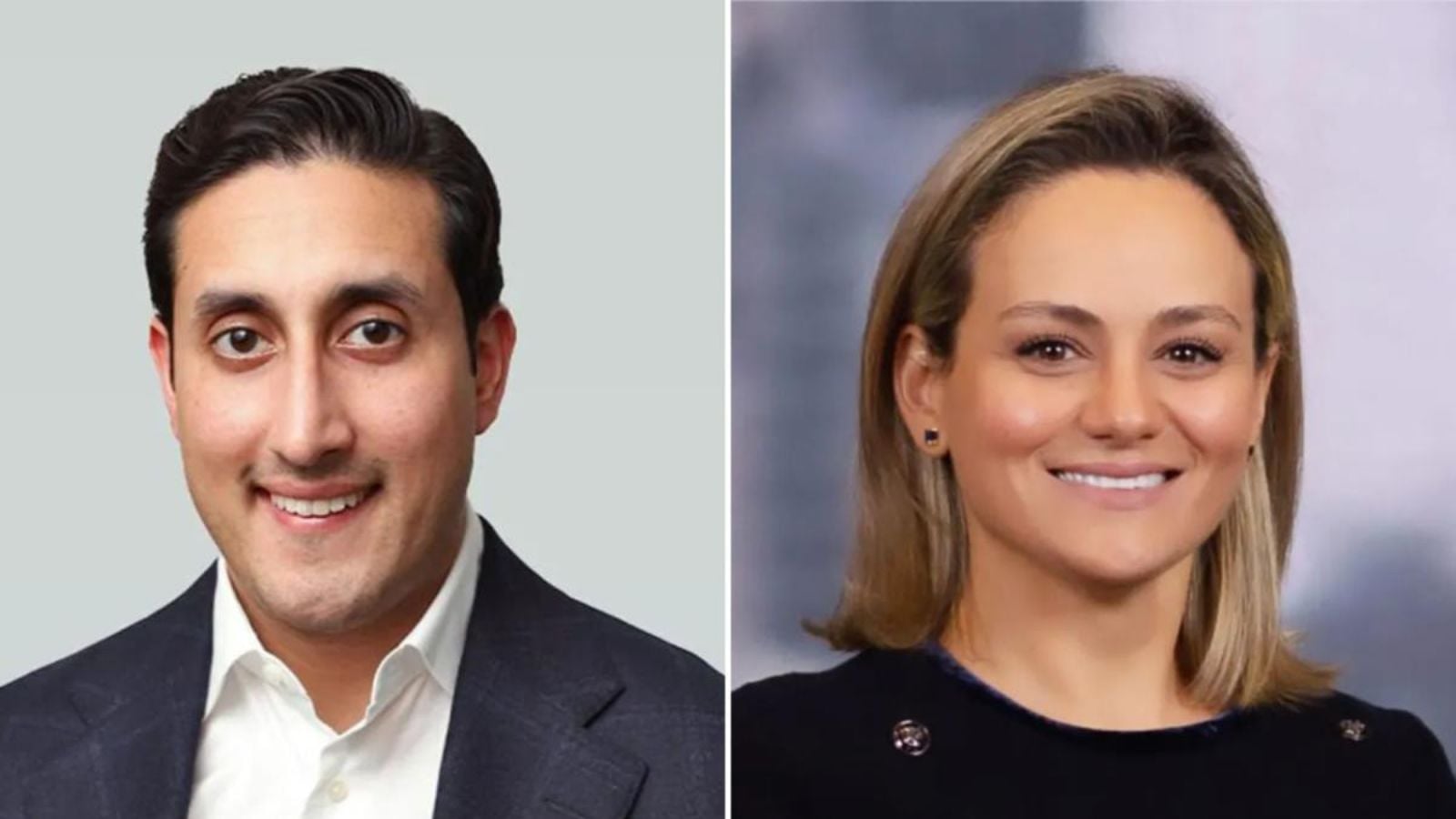
The lawsuit accused Hajdini, an executive director on JPMorgan’s leveraged finance team, of drugging Rana with Rohypnol, coercing sex acts, using racial slurs, and threatening his bonus to ensure compliance. It named JPMorgan as a co-defendant, alleging the bank failed to investigate and retaliated against Rana after he reported the alleged conduct.
Hajdini’s lawyers issued a statement. She “categorically denies the allegations,” they said, adding she had never set foot in the place where the alleged incident was said to have occurred.
JPMorgan’s internal investigation reviewed internal communications, phone logs, and statements from colleagues. A spokesperson said the company found no evidence supporting the claims and noted that Rana refused to participate in the investigation into his own complaint. Colleagues of Hajdini told the Post the claims were a “complete fabrication.” The lawsuit was withdrawn for corrections shortly after filing. It has not been refiled.
The Crosswalk Stays Up
Since being unmasked, Rana has deactivated his LinkedIn and Instagram accounts. According to the Post, he left Bregal Sagemount on April 2, though his biography — listing a career that spanned Credit Suisse, Morgan Stanley, the Carlyle Group, and JPMorgan — remained on the firm’s website days later. His legal team has not filed an amended complaint. His father, reached at the family’s home in Vienna, Virginia, told the Post he didn’t know the details but that his son is “a good guy.”
The lawsuit was retracted. The social media profiles are gone. The TikTok clip remains.
That is how a street-style TikTok account works. Bublikova’s camera does not sort by scandal or reputation. It sorts by fabric, fit, and whether someone looks good crossing the street. Rana did. So she filmed him. And when the rest of his digital presence went dark, those 12 seconds stayed exactly where she left them — looping for an audience that now watches for a very different reason.