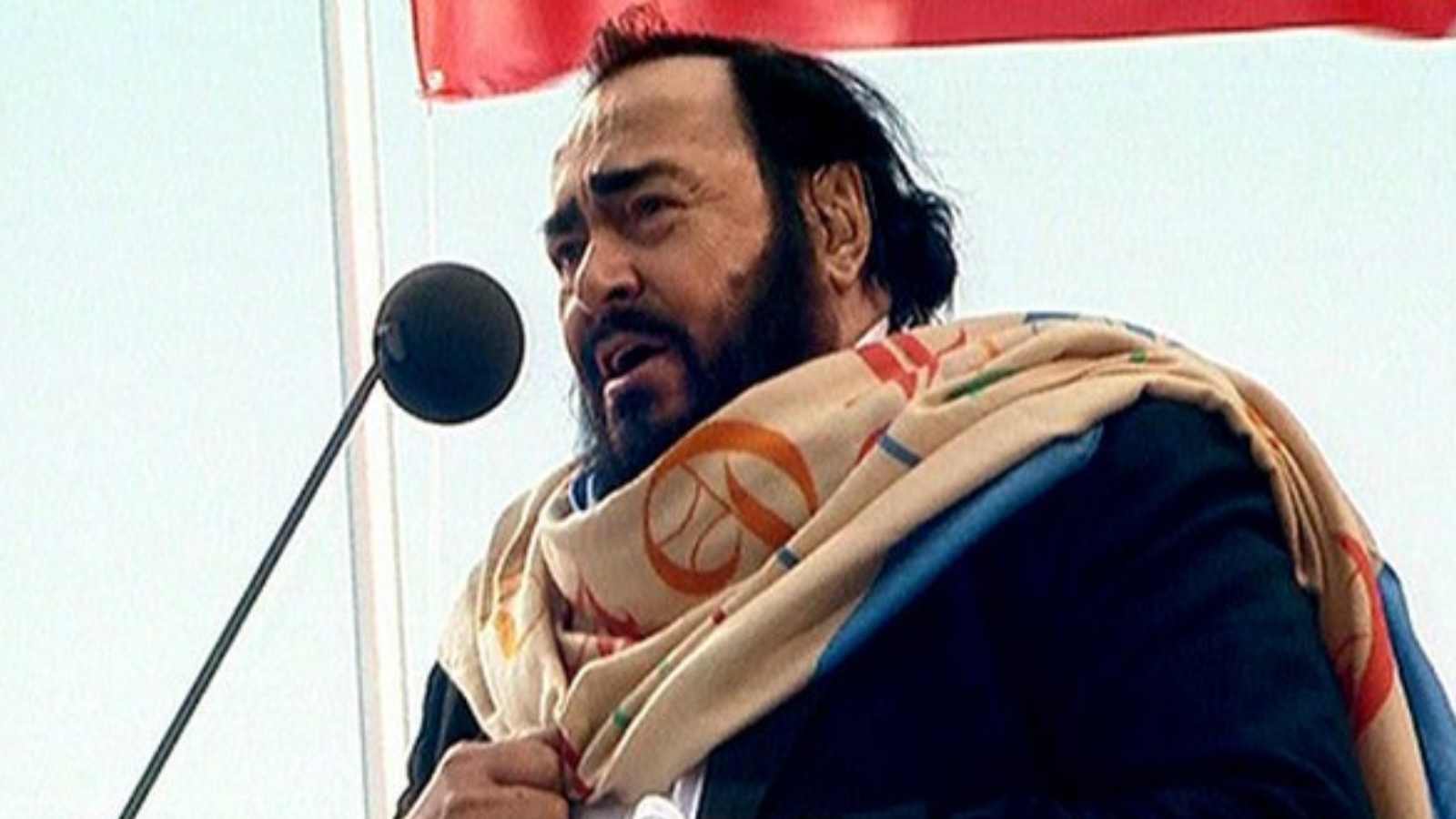
Opera is a world where not only the voice but also acting, stage presence, and musical interpretation are paramount. To be considered one of the greatest opera singers of all time requires a perfect blend of vocal prowess, artistry, and an undeniable impact on the operatic world.
With an art form spanning centuries, opera has produced a wealth of talent across vocal categories: soprano, mezzo-soprano, tenor, baritone, and bass. Among these luminaries, certain names stand out above the rest.
Here, we explore the top 10 greatest opera singers of all time, their careers, and their contributions to this awe-inspiring genre.
Leontyne Price
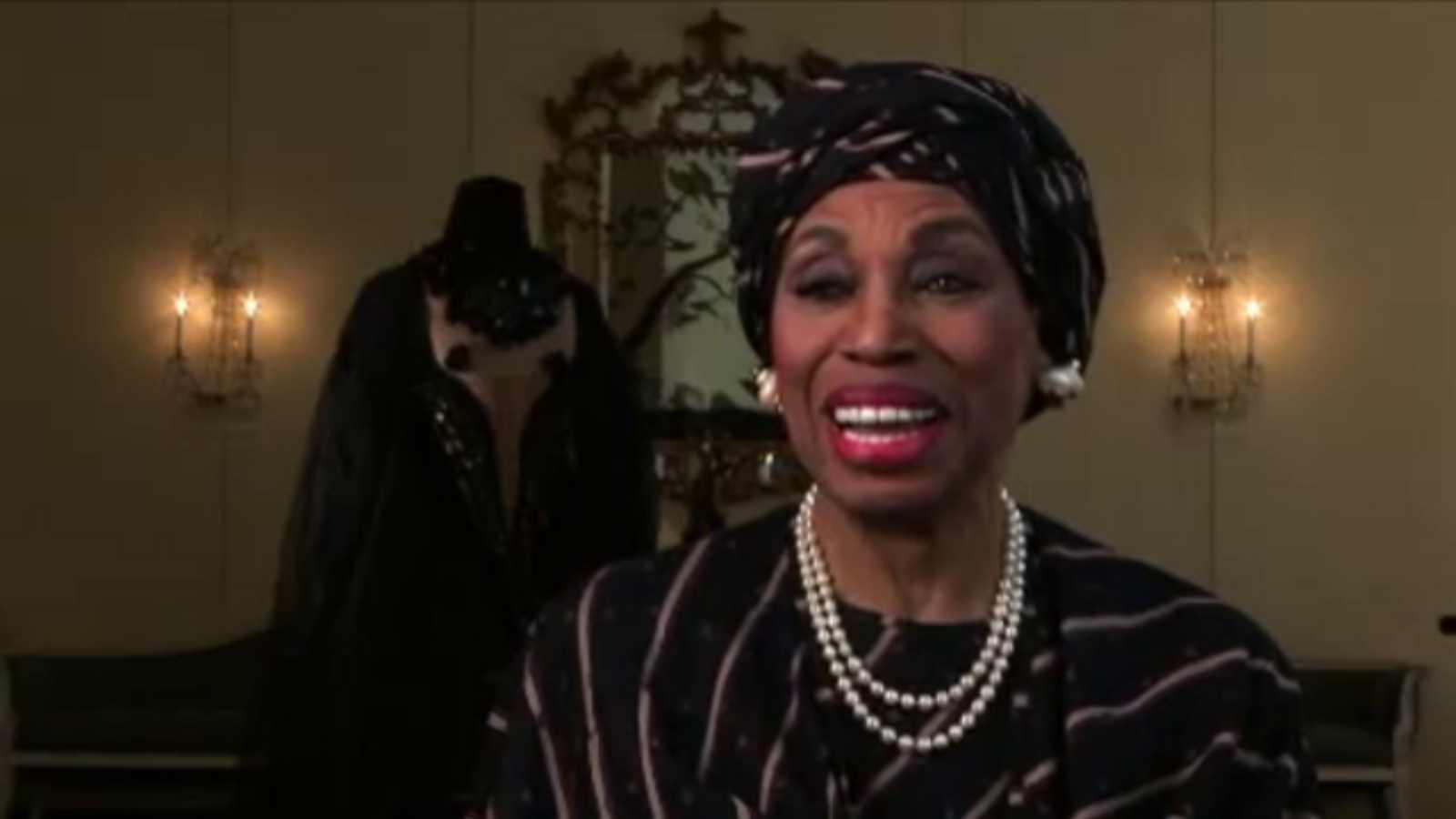
Leontyne Price broke barriers as one of the first African-American opera singers to gain international recognition. Her powerful spinto soprano voice was perfect for the operas of Verdi and Puccini, and she became especially famous for her portrayal of the title role in Aida.
Price’s voice was rich, full-bodied, and capable of soaring over large orchestras, making her one of the most formidable sopranos of her time. Her work extended beyond the opera stage as she became a symbol of racial progress in the classical music world, inspiring countless young singers of color to pursue their dreams.
Kirsten Flagstad
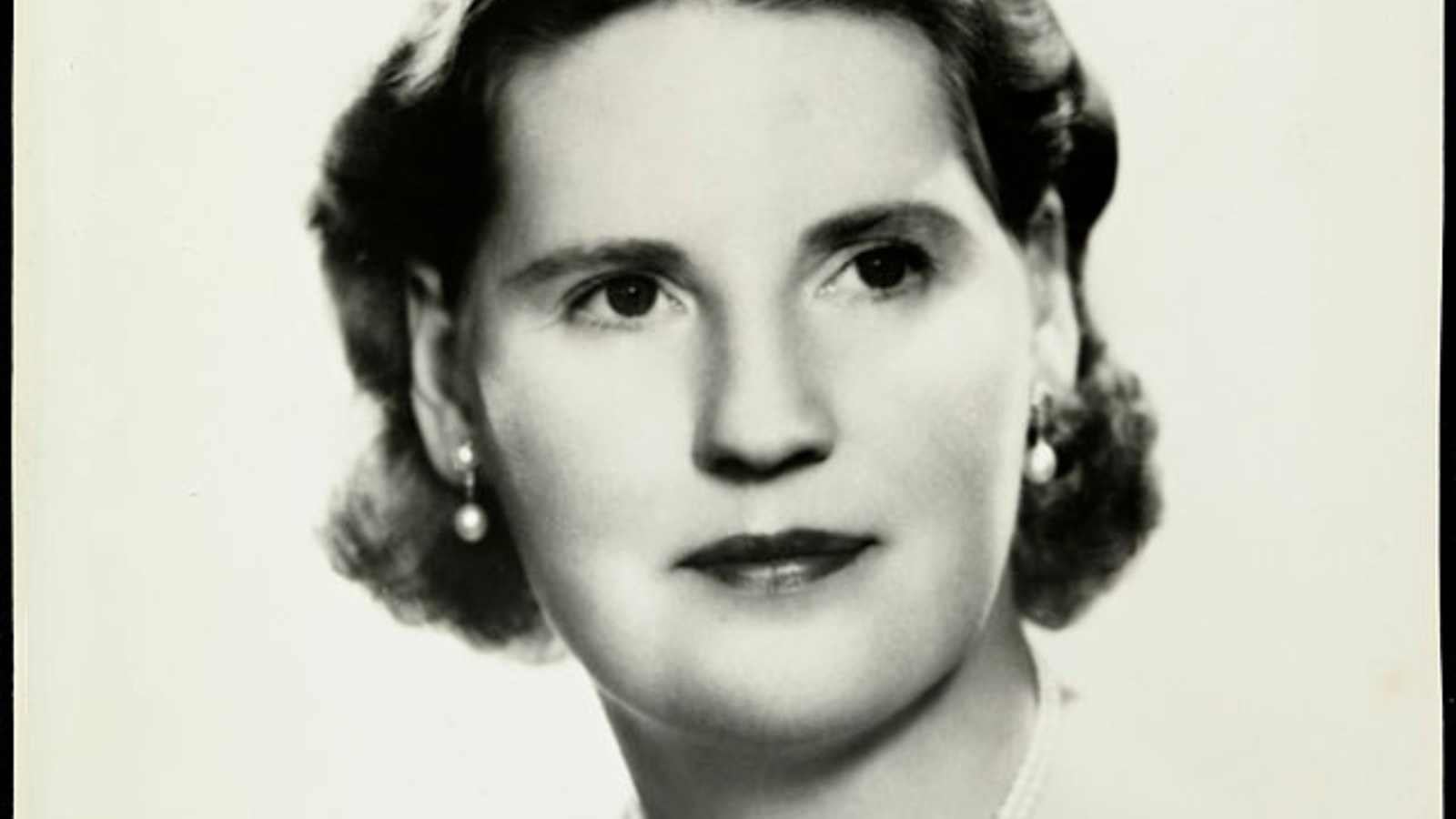
Kirsten Flagstad is celebrated as one of the greatest Wagnerian sopranos of the 20th century. Known for her robust and powerful voice, she mastered the demanding roles of Wagner’s operas, such as Isolde in Tristan und Isolde and Brünnhilde in Die Walküre. Her ability to combine dramatic intensity with lyrical beauty made her an ideal interpreter of Wagner’s complex heroines.
Flagstad’s singing was marked by both power and subtlety, and her remarkable vocal stamina enabled her to perform in the most vocally taxing roles, often reserved for the strongest voices.
Fritz Wunderlich
Fritz Wunderlich’s voice was the epitome of purity and sweetness. His light tenor voice was ideally suited for the Italian operas of Mozart and Verdi. Wunderlich’s voice had a purity that was rare even among the greatest tenors, making him one of the most beloved figures in the operatic world.
Though his career was tragically cut short at the age of 35, Wunderlich’s contributions to German Lieder and his many recordings continue to inspire today. His voice was a true gift, praised for its expressive quality and perfect technique.
Dietrich Fischer-Dieskau
Dietrich Fischer-Dieskau is often regarded as the epitome of vocal artistry and interpretation. His ability to delve deep into the emotional essence of every role he performed was unmatched. As a baritone, Fischer-Dieskau’s voice was celebrated for its versatility, spanning from lighter roles in Mozartian operas to the dramatic intensity required for Wagner and Verdi. His performances as Wolfram in Tannhäuser and Scarpia in Tosca showcased his ability to master both the lightest and heaviest aspects of operatic baritone roles.
His work in the Lieder genre, particularly his rendition of Schubert’s Der Erlkönig, remains a benchmark for all aspiring opera singers. Fischer-Dieskau’s contribution to opera is immeasurable, and his interpretations continue to inspire generations of singers.
Maria Callas
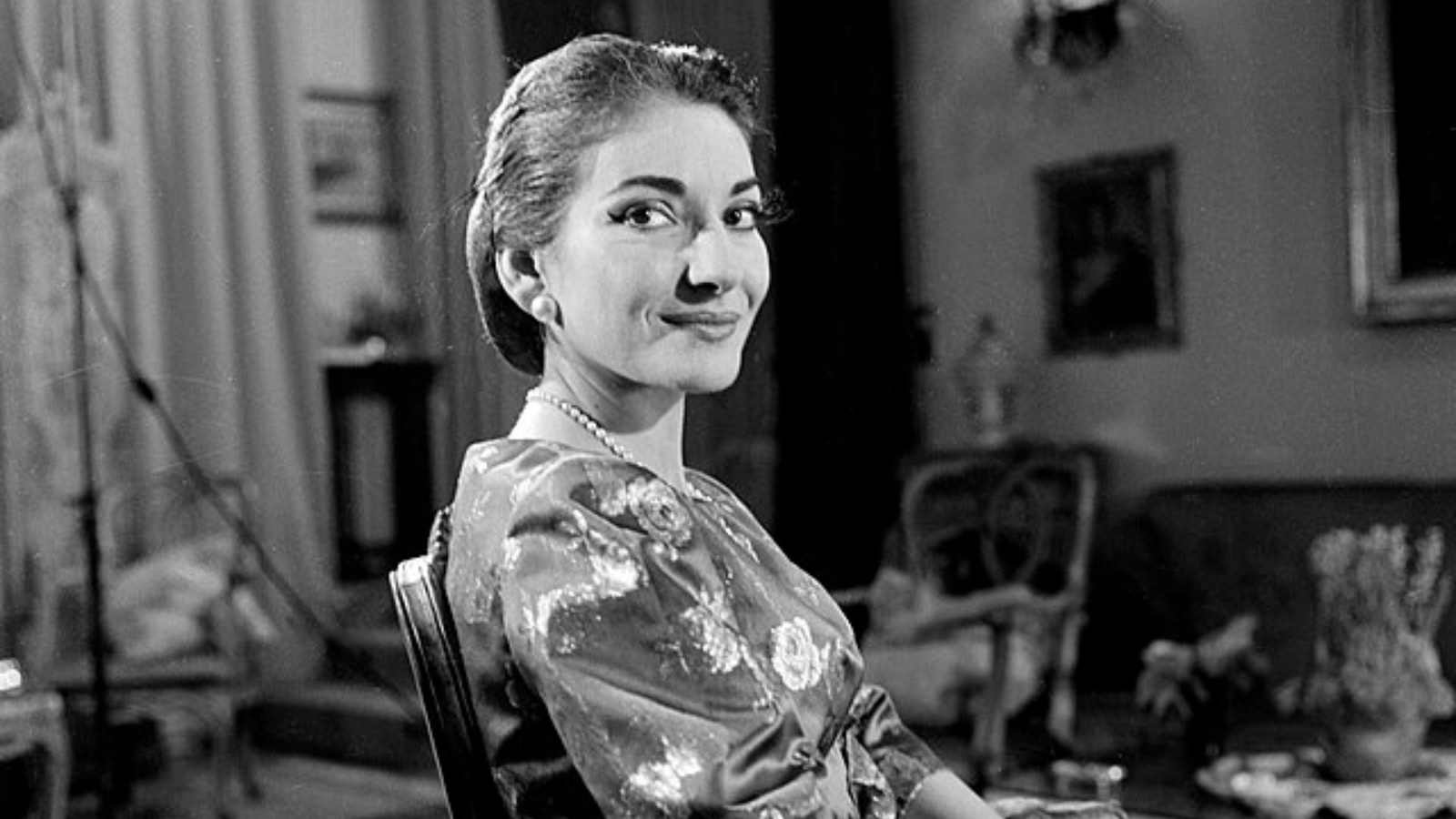
Maria Callas, known as “La Divina,” was a revolutionary force in opera. Her voice, often described as having a grainy, impure quality, captivated audiences with its intense emotional depth. Callas’s performances transcended mere vocal technique; she brought dramatic power to every role she played, from La Traviata to Norma.
Her portrayal of tragic heroines, particularly in the bel canto operas of Donizetti and Bellini, has never been equaled. What set Callas apart was her ability to communicate the deepest emotions through her voice, making each performance a unique experience. Despite her personal struggles, Callas’s legacy as one of the greatest sopranos in history is indisputable.
Joan Sutherland
Dame Joan Sutherland, affectionately known as “La Stupenda,” was a coloratura soprano whose vocal abilities were unparalleled. Her prodigious high notes and remarkable breath control allowed her to tackle the most technically demanding roles in the opera repertoire. Her early success in Lucia di Lammermoor solidified her reputation as one of the greatest coloraturas of her time.
While many coloraturas were known for their brilliance and agility, Sutherland was able to inject lyricism into her performances, bringing both power and sensitivity to her arias. She remains a defining figure in the world of bel canto opera.
Luciano Pavarotti
Luciano Pavarotti’s name is synonymous with operatic excellence. His voice, a tenor’s dream, is renowned for its incredible range and ability to hit the highest notes with ease. Pavarotti’s rendition of “Nessun Dorma!” at the 1990 World Cup forever changed how opera was perceived by the general public. His career spanned over 40 years, during which he conquered operas by Puccini, Verdi, and Donizetti.
His dazzling high Cs and expressive phrasing made him one of the most beloved tenors in history. Pavarotti’s legacy is defined not only by his operatic achievements but also by his ability to bring opera to the mainstream.
Nicolai Gedda
Nicolai Gedda was one of the most technically accomplished tenors of the 20th century, known for his impeccable lyricism and wide vocal range. Gedda’s performances spanned the breadth of the operatic repertoire, from Russian operas to French and Italian masterpieces.
His ability to execute difficult passages with ease and his remarkable control over his high notes made him one of the most respected tenors in the business. Gedda’s performances in operas such as Boris Godunov and Les Huguenots are considered exemplary, and his long career continued into his late 70s, leaving a legacy of recordings that are still admired.
Elisabeth Schwarzkopf
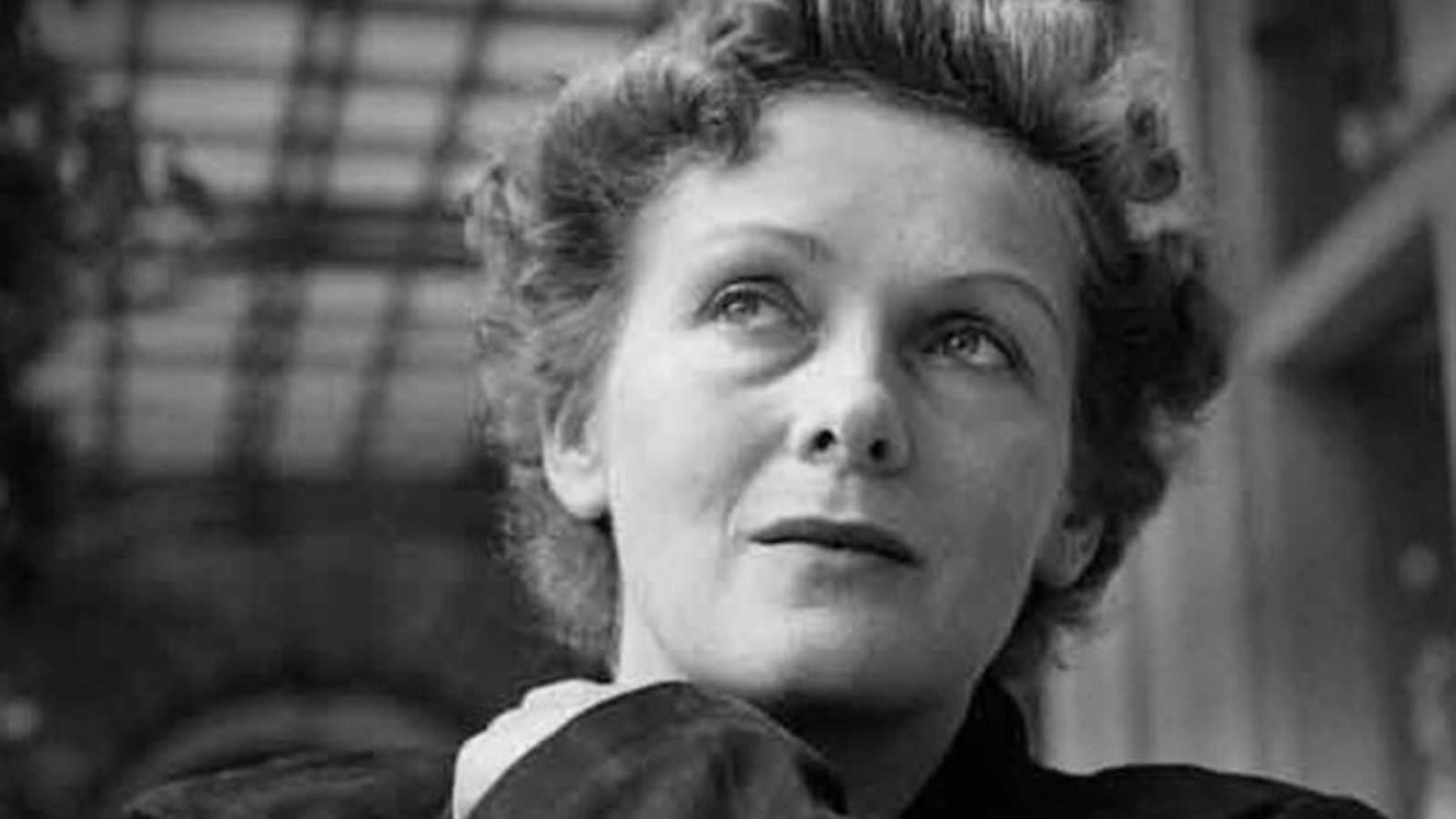
Elisabeth Schwarzkopf is often regarded as one of the greatest lyric sopranos of the 20th century. Her ability to combine precision with emotion made her a standout in both operatic and concert performances. Known for her interpretations of Mozart, Strauss, and Wagner, Schwarzkopf’s voice was pure and clear, captivating audiences.
Her recordings of Die Zauberflöte and Elektra remain benchmarks of vocal technique and dramatic expression. Schwarzkopf’s stage presence and mastery of operatic phrasing made her a revered figure in the classical music world.
Plácido Domingo
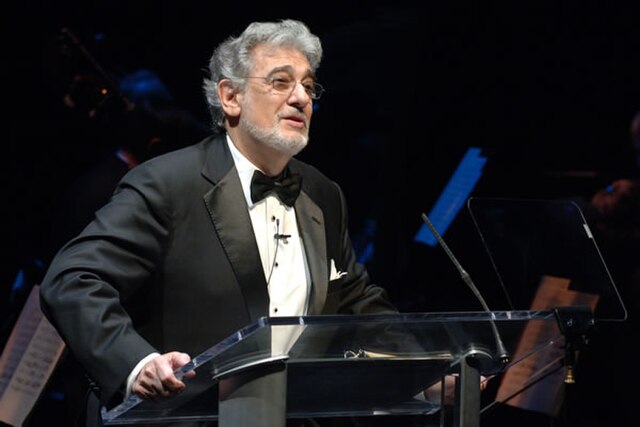
Plácido Domingo is a true testament to versatility in opera. With over 136 roles to his name, he holds the record for performing the most opera roles of any tenor. His powerful, spinto tenor voice suits both the light and dramatic aspects of the operatic repertoire. Domingo’s portrayal of Otello was groundbreaking, proving that his voice could meet the demands of even the most challenging dramatic roles.
His career spans decades, during which he has not only performed but also conducted and directed operatic productions. Domingo’s unique ability to seamlessly transition between roles, from Wagner to Verdi to operettas, has made him a beloved figure in opera circles.
Conclusion
These 10 opera singers represent the pinnacle of vocal achievement in the history of classical music. Each one brought something unique to the stage, whether it was the unparalleled emotional depth of Maria Callas, the versatility of Plácido Domingo, or the technical brilliance of Luciano Pavarotti.
Their contributions to opera continue to resonate, and their voices remain etched in the hearts of opera lovers worldwide. Through their artistry, these singers have shaped the landscape of opera and ensured that its legacy will endure for generations to come.