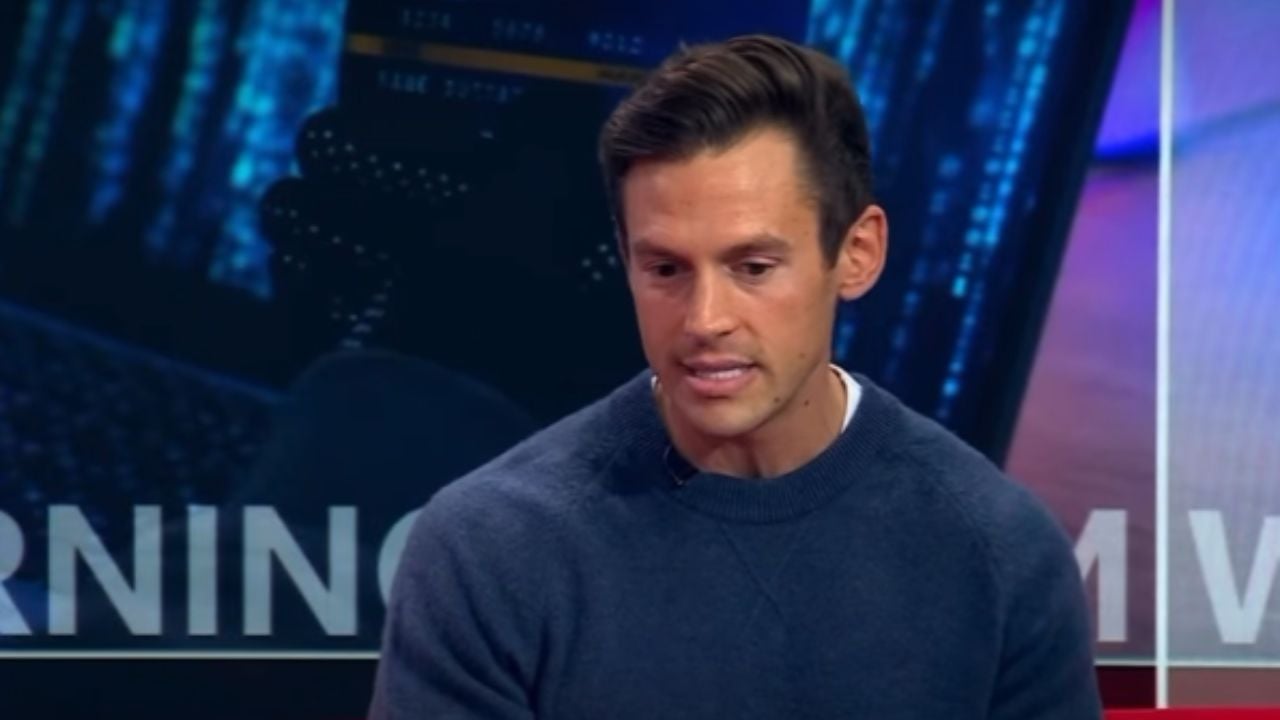
The Traitors contestant Sam Little says fake security texts led him into a crypto scam that wiped out £40,000 he had saved for the future.
Little said the money was held in a cryptocurrency account and was meant to help him and his wife plan the next stage of their lives. The Independent reported that he lost the money after being tricked into calling a fake helpline.
The messages appeared to warn him that someone was trying to access his account. They told him to call a number for help. Little made the call because he believed he was contacting a legitimate support line.
By the time the call ended, he said, the account had been emptied.
The Fake Texts Got Him to Call the Scammers
View this post on Instagram
Little said he normally avoids unknown numbers, according to The Sun. The scam did not start with him answering a random call. It started with texts that looked like account-security warnings and pushed him to dial the number himself.
The Sun reported that the messages arrived over several days and claimed there had been attempts to access his account. When Little called the number, he believed he was speaking to someone who could help protect his money.
The person on the phone sounded convincing and did not immediately ask for obvious scam markers such as passwords or verification codes. Little said the caller used fear tactics while guiding him through the account-access process.
The Call Looked Safer Than It Was
Little said he logged into the online account during the call and still did not realize control was being taken away from him.
“They were somehow able to hack into the web page I would normally interact with,” Little said, according to The News International. “Before I knew it, the phone went dead and everything had gone.”
The Independent reported that Little later searched the phone number and found it had been linked to phishing scams. “They’d emptied everything,” he said.
The Sun reported that Little believes the scammers may have used a cloned or convincing dummy version of the account page while keeping him under pressure through the fake security warning.
He Says the Money Was Set Aside for the Future
Little described the loss as a life-changing amount of money. The News International reported that he said the £40,000 had been saved for the future, including plans to start a family with his wife.
He said he reported the fraud to Action Fraud but had not recovered the money. The Independent reported that Little decided to share the story because he felt it would be “selfish” not to warn others.
“I like to think I’m savvy, but it can catch anyone,” Little said, according to The News International.
Fraud Reports Have Risen in England and Wales
The Office for National Statistics estimated 4.2 million fraud incidents in England and Wales in the year ending March 2025, a 31% increase from the previous year. The rise was mainly linked to bank and credit account fraud and consumer and retail fraud.
Report Fraud tells victims of cryptocurrency investment fraud to report it online or by calling 0300 123 2040. In Scotland, victims are told to contact Police Scotland on 101.
The Financial Conduct Authority also warns that people who have already lost money to a scam can be targeted again. Those follow-up approaches may claim the victim can recover lost money after paying a fee.
Use the Official Number, Not the One in the Text
Little’s case came down to one dangerous step: the text told him to call a number, and that number led him to the scammers.
If a message says a crypto, bank or investment account is at risk, use the official app or type the company’s web address yourself. Call the number on a card, statement or verified company page, not the number in the warning text.
Anyone who has already lost money should report it through Report Fraud or the relevant police route and avoid paying anyone who contacts them promising recovery. Little said the money has not come back, but he shared the story so other people would recognize the fake-security-text setup before making the same call.