A Wisconsin man says he is stuck paying a $22,000 loan after a credit union wired money to what turned out to be a fake car dealership.
Billy Heck, of Hartford, told TMJ4 he found a 2019 Chevy Silverado listed online in 2024 at a dealership in Laredo, Texas, for about $26,000. He said the truck would have helped him land a new job and improve his family’s income.
At first, the dealership appeared legitimate. Heck said the website showed dozens of vehicles, the business appeared on Google Maps, had reviews, and seemed to check out.
He then went to Landmark Credit Union in Hartford to secure financing and said a loan specialist checked the company background, verified that it was a legitimate LLC, and confirmed the bank the supposed dealership used.
The Loan Specialist Said A Wire Transfer Was Needed
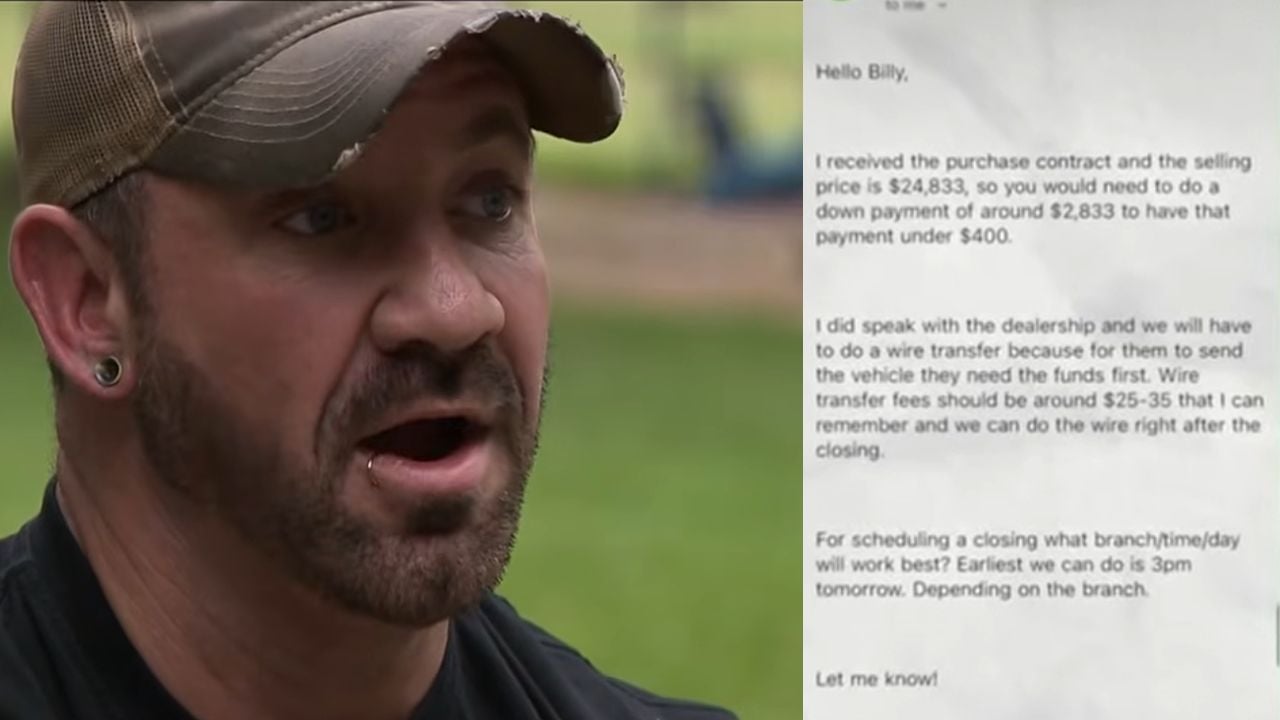
Heck provided TMJ4 with emails he said came from the Landmark loan specialist. In one email, the specialist wrote that he had spoken with the dealership and that a wire transfer was needed because the dealership required funds before sending the vehicle.
Heck said he had no role in setting up that wire transfer and did not know the transaction would be handled that way until the day he signed the loan. The truck never arrived. When Heck grew suspicious, he checked online again and said the dealership website was down and the phone numbers no longer worked.
He emailed the loan specialist saying he believed they may have been scammed. According to TMJ4, the loan specialist responded that he did not understand how it could be a scam, pointing to the video of the vehicle and the bank account associated with the dealership name.
The Police Investigation Was Later Suspended
Heck filed a report with Hartford police in 2024. The department told TMJ4 the investigation had been suspended because the detective had exhausted all avenues to identify the suspect or suspects. That left Heck with no truck and no clear path to recover the money.
About a month after the failed purchase, Heck said a Landmark fraud specialist emailed him warning that if he could not pay the account, it could be sent to an attorney. The email said that could include a money judgment for the loan amount plus attorney fees, possible wage garnishment, and a lien on his property, according to TMJ4.
Heck said the credit union told him he was responsible for the loan because it said he requested the wire transfer through the dealership. Heck disputes that, telling the station he had no part in arranging the wire.
He Is Still Paying For A Truck He Never Got
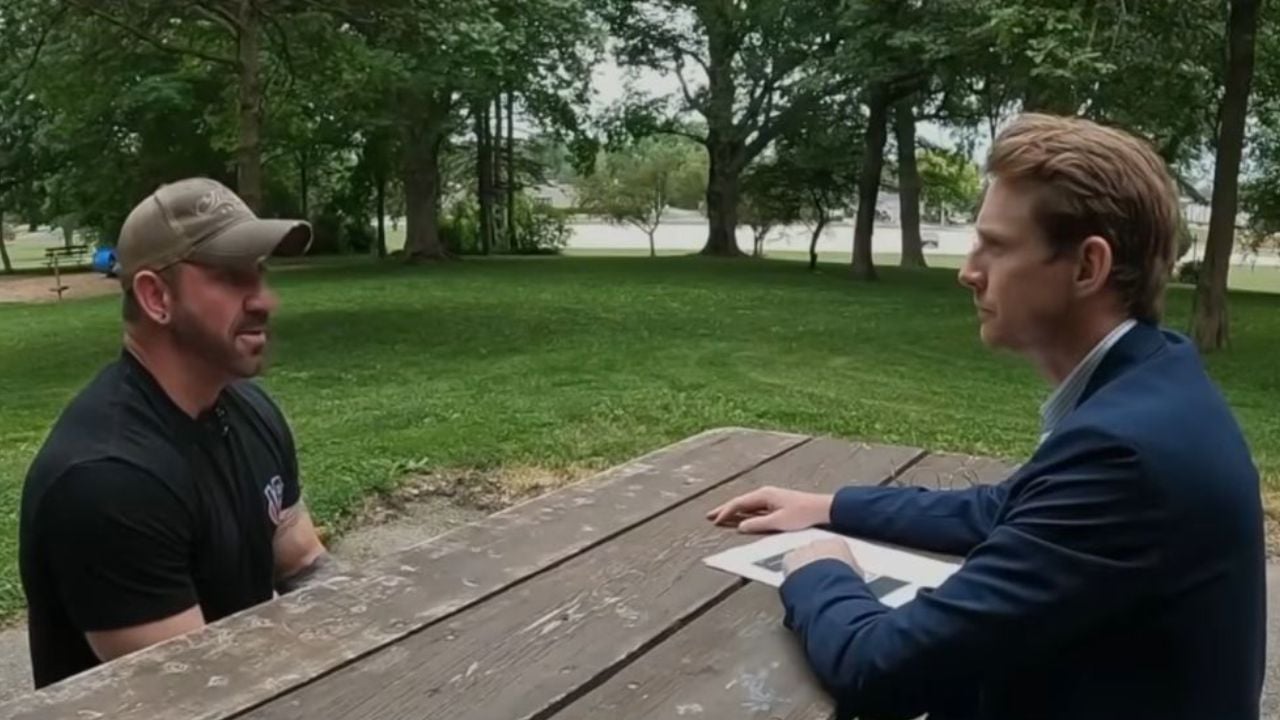
Heck said he is now paying $280 a month and expects to keep making payments for the next four years. He told TMJ4 the credit union made one concession by removing the interest from the loan, but he said he was also told the amount did not meet the minimum threshold for the institution to pursue federal insurance recovery.
TMJ4 contacted Landmark Credit Union for an interview. The credit union declined, citing customer privacy obligations as a regulated financial institution. In a written statement, Landmark said it had initiated a formal complaint to understand what occurred and determine what steps may be available to address the matter.
Landmark Says It Opened An Internal Investigation
After TMJ4 contacted Landmark, Heck said he received three notifications showing the loan specialist was attempting to recall emails previously sent to him.
In a follow-up statement, Landmark told TMJ4 it expects associates to conduct themselves with the highest ethical standards and has zero tolerance for misconduct. The credit union said leadership had initiated an internal investigation.
Heck said he wants the credit union to share responsibility for the loss. He suggested the institution should consider stronger safeguards, such as refusing wire transfers in similar transactions or requiring a certified bank check.
Online Vehicle Scams Often Start With A Real-Looking Listing
The FBI has warned that online vehicle scammers post ads for cars, trucks, recreational vehicles, boats, and other equipment they do not actually own. The listings can include photos, believable details, and pressure to send money before the buyer ever sees the vehicle.
Heck’s case adds a more complicated dispute because the money did not come only from his personal account. He says the credit union helped verify the seller, arranged the wire, and then left him responsible for a loan tied to a truck that never arrived.
The practical warning for buyers is to verify the vehicle and seller outside the listing before any money moves. That means confirming the dealership through official state business and licensing records, calling a number found independently, checking the VIN, avoiding rushed wire transfers, and refusing to send final payment before delivery terms are clear in writing.