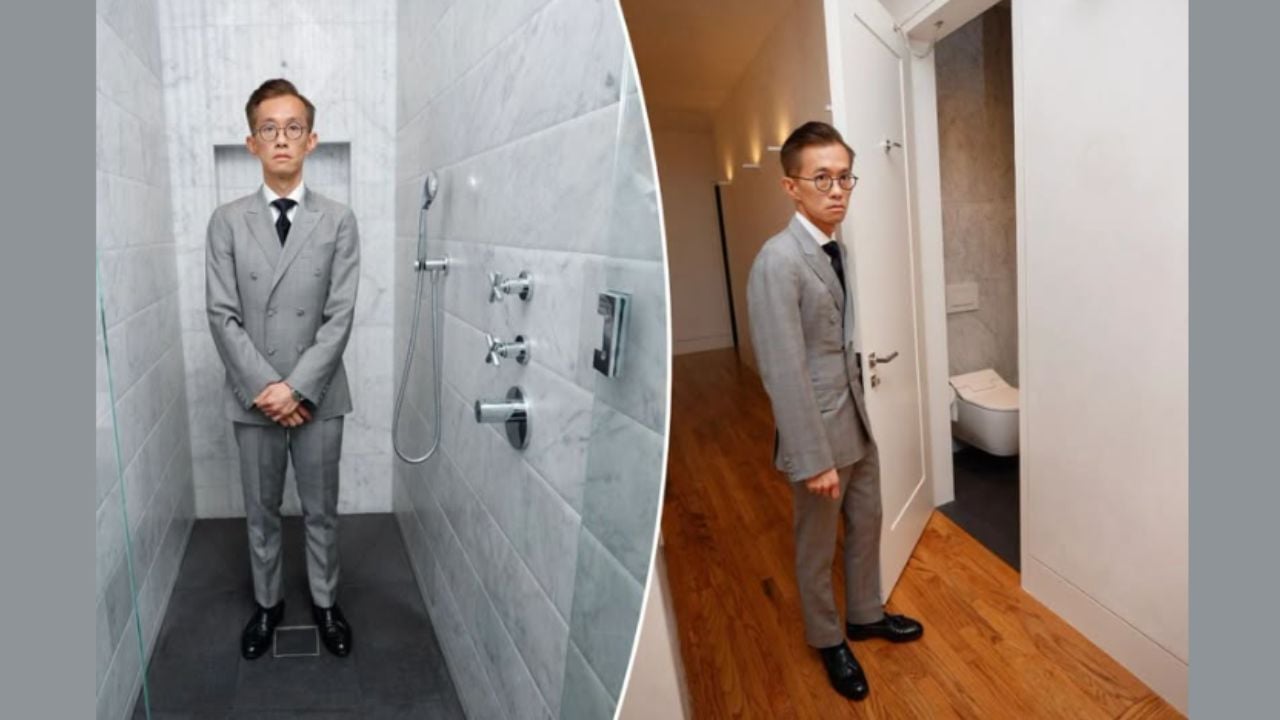
A five-year fight over a bathroom waste pipe inside one of Manhattan’s most exclusive co-ops has turned into a civil fraud battle over allegedly forged financial statements.
Angelo Chan and his husband, Frederick Wertheim, bought their roughly 2,500-square-foot apartment at 907 Fifth Avenue in 2018 for $5.2 million, according to the New York Post.
They planned to renovate the home into a three-bathroom residence, but the couple says they have spent years with water turned off to two bathrooms while fighting the co-op over where a replacement bathroom waste pipe should run.
That plumbing dispute is now only part of the case. A lawsuit filed in Manhattan Supreme Court alleges that 907 Fifth Avenue failed to produce audited financial statements after 2020 and later provided documents that appeared to carry forged Marks Paneth letterhead and signatures.
The Pipe Fight Started During A Renovation
The dispute began after Chan and Wertheim started renovating their apartment. In earlier court papers, the co-op said a kitchen pipe was penetrated by a fastener during drywall installation, causing water damage in the apartment below, which is occupied by board member Andrew Crisses and his wife, Abby.
The parties later began fighting over a different pipe, this one tied to bathroom waste. One option would route the replacement pipe through the ceiling of the Crisses’ apartment below, replacing the original pipe and requiring work inside their ceiling. The other would place the pipe within Chan and Wertheim’s apartment, requiring a raised section of hallway floor with a step up and step down.
While the fight continued, Chan and Wertheim say they were left without working water in two bathrooms. The building, according to earlier court filings cited in the case history, has also raised concerns about aging, corroded pipes and the need to upgrade plumbing systems.
The Financial Records Became The Bigger Allegation
As the plumbing fight dragged on, Chan and Wertheim’s attorney, Steven Sladkus, sought audited financial statements from the building. The new lawsuit alleges that the co-op had not produced audited financial documents since 2020.
When documents were eventually provided, the complaint says they contained inconsistencies, unusual line items, and what appeared to be Marks Paneth branding. The lawsuit claims the records failed to properly disclose the building’s ongoing litigation and legal costs.
Sladkus told the Post that hundreds of thousands of dollars in litigation spending were not being reported to shareholders and prospective purchasers. One alleged issue involved legal fees: although building insurance covered 45% of legal fees, one line item for legal fees was blank.
CBIZ Said Marks Paneth Did Not Issue The Reports
The most serious allegation centers on the audit documents themselves. CBIZ, which acquired Marks Paneth, told the plaintiffs’ side that Marks Paneth did not issue the disputed reports, according to the lawsuit and reporting on the case.
The Post quoted CBIZ’s general counsel as saying the reports appeared fraudulent, with forged signatures and letterhead. Chan told the outlet that he viewed the discovery as more than questionable bookkeeping, describing it as the fabrication of documents and impersonation of an auditing firm.
The complaint accuses the board of fraud and breach of fiduciary duty. Chan and Wertheim are seeking damages, punitive damages, and a retroactive accounting from Dec. 31, 2019, the last date for which they say audited financial records exist.
The Co-op Board Denies Wrongdoing
The board denies the allegations. In a statement to the Post, a spokesperson for the co-op board called the lawsuit baseless and accused the plaintiffs and their counsel of filing it despite knowing the core allegations were false.
The board’s statement also said Brown Harris Stevens, the managing agent, was responsible for the documents at issue. According to the Post, the board said the managing agent’s general counsel had already told the plaintiffs that the board had no knowledge of or involvement in the document problems being alleged.
Brown Harris Stevens declined to comment to the Post. A lawyer for the Crisses also declined to comment.
The Case Is About More Than One Apartment
907 Fifth Avenue is a prewar co-op overlooking Central Park at East 72nd Street. The building’s status gives the dispute a larger real estate angle because shareholders, buyers, and lenders depend on accurate financial information when evaluating a co-op.
The lawsuit alleges that the disputed documents were used to deceive shareholders, purchasers, and lenders in transactions involving millions of dollars. For now, those claims remain allegations in a civil case. The board has denied wrongdoing, and the court has not determined whether the financial records were forged, who created them, or whether the board bears responsibility.
Buyers Should Ask For More Than A Pretty Lobby
The consumer warning is not just about plumbing. In a co-op, buyers are purchasing shares in the corporation that owns the building, not just the right to live in an apartment. That makes the building’s financial records, reserve funds, litigation history, maintenance income, insurance coverage, and capital-repair plans part of the deal.
The New York Attorney General’s office tells co-op and condo buyers to look beyond location, size, amenities, and price and pay close attention to the physical condition of the property, including plumbing, elevators, heating, air conditioning, wiring, windows, roofs, and other building systems.
For buyers and shareholders, missing audits, unexplained legal bills, blank line items, repeated delays in producing records, or financial statements that do not match budgets should be treated as red flags. Before buying into a co-op, a buyer’s attorney should review audited financial statements, board minutes, litigation disclosures, reserve levels, assessments, maintenance history, and any major building-system disputes.
The 907 Fifth lawsuit remains unproven, but the practical warning is clear: in a co-op, a private apartment problem can become a building-wide financial issue if repairs, lawsuits, insurance claims, or disputed records affect the corporation behind the apartment.