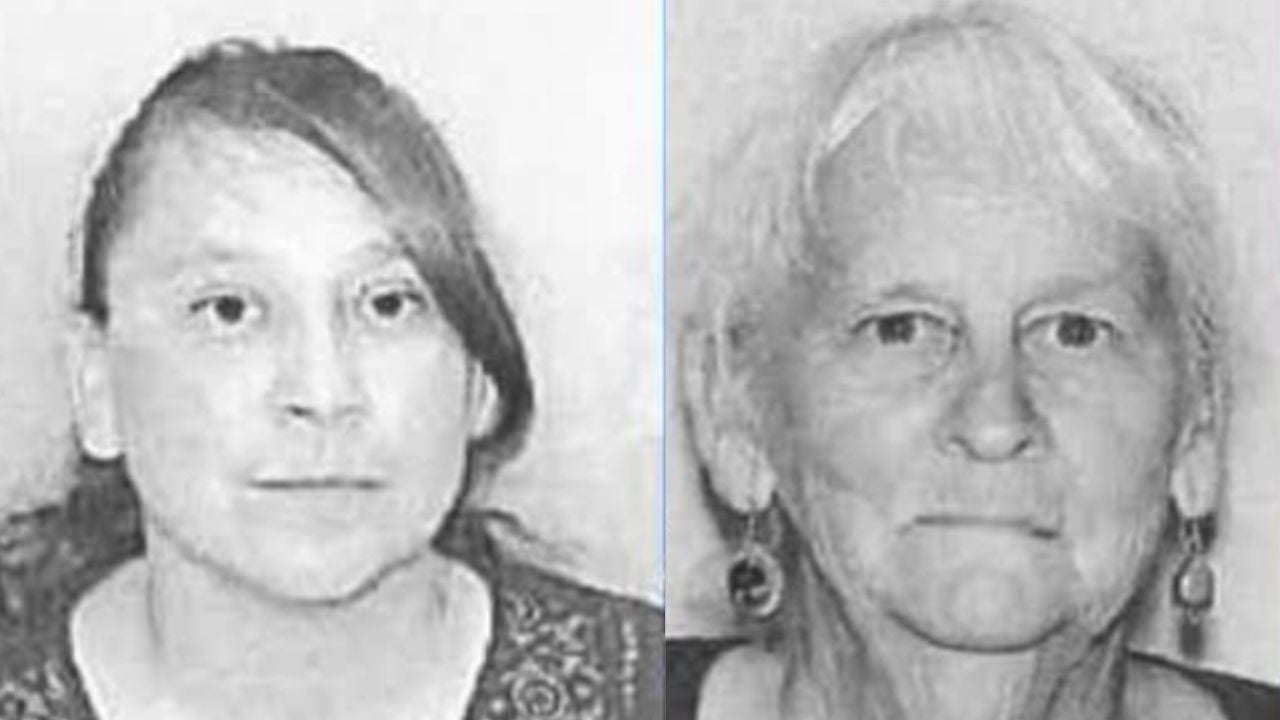
A New Mexico mother and daughter who operated a Silver City afterschool program have each been sentenced to four and a half years in prison after admitting to a Medicaid fraud and identity theft scheme that used children’s personal information and false mental health diagnoses to support billing.
Susanne Kee and her daughter Bethanne Kee operated Kids in Need of Support Services, or KISS, a nonprofit that investigators said many families understood to be an afterschool and summer program. Behind the scenes, authorities found Medicaid claims for psychotherapy and other behavioral health services that were never actually provided.
The New Mexico Department of Justice said the women used Social Security numbers and Medicaid identification numbers belonging to children and adults without permission and documented false psychological disorders to justify purported services.
Both women were sentenced September 9 after pleading guilty to Medicaid fraud, conspiracy to commit Medicaid fraud, 35 counts of theft of identity and conspiracy to commit theft of identity. Their plea agreements also require approximately $1.6 million in criminal restitution and $4.9 million in civil penalties.
Families Thought KISS Was an Afterschool and Summer Program
The investigation examined services billed through KISS while the organization was enrolled as a Medicaid behavioral health provider. That status allowed claims to be submitted for services including individual and family psychotherapy.
Investigators compared Medicaid claims with KISS records and interviewed families and former employees. According to the criminal complaint, families described KISS as resembling a daycare or afterschool facility, and multiple people whose identities appeared in psychotherapy billing said they had not received that treatment.
Investigators also found that KISS continued billing Medicaid after some children stopped attending its afterschool or summer programs. The complaint calculated $196,739.29 in Medicaid payments for claims submitted after those services had ended.
Five Clients Under One Year Old Appeared in Psychotherapy Claims
The billing records contained several striking examples investigators said were inconsistent with legitimate treatment. A preliminary review found that KISS had received approximately $2.03 million in Medicaid funds, with roughly 63% billed under a code for 60-minute psychotherapy sessions.
Investigators noted that both family and individual psychotherapy had been billed for five clients who were under one year old. The complaints also described duplicated or cloned progress notes and records that did not match the type of service claimed.
One person interviewed during the investigation said she had never received psychotherapy from KISS and had been incarcerated during periods when the organization claimed to have treated her. Investigators obtained detention records to compare her custody dates with the Medicaid billing.
Children’s Identities and False Diagnoses Supported the Claims
The scheme extended beyond billing for appointments that did not occur. NMDOJ said Susanne and Bethanne Kee used Social Security numbers and Medicaid identifiers belonging to children and adults without the knowledge or consent of the individuals or their parents and guardians.
They also admitted offenses stemming from records containing fabricated psychological disorders used to justify purported treatment. NMDOJ warned that false diagnoses can remain in a child’s medical history and require families to spend time and resources correcting information that could otherwise follow the child into the future.
When charges were filed in 2025, NMDOJ alleged at least $1,626,496 in fraudulent Medicaid claims. Investigators later calculated approximately $1.6 million in criminal restitution as part of the plea resolution.
The Financial Resolution Includes Restitution and Civil Penalties
A Sixth Judicial District Court judge sentenced Susanne Kee and Bethanne Kee to four and a half years each in prison on September 9. The sentences followed plea agreements accepted earlier in 2026.
The financial component totals approximately $6.6 million, but that amount consists of two different categories, about $1.6 million in criminal restitution and $4.9 million in civil penalties. It should not be described as $6.6 million in victim or Medicaid restitution alone. The New Mexico Department of Justice’s Medicaid Fraud and Elder Abuse Bureau investigated the case.
Parents Can Challenge False Information in a Child’s Medical Record
For families, this type of fraud can create a problem even after the false Medicaid billing is discovered because inaccurate diagnoses or treatment histories may remain in medical and billing records. Parents who discover mental health treatment, diagnoses or claims they do not recognize should request the relevant records and compare them with care their child actually received.
HHS says patients can request an amendment when information in a medical or billing record is inaccurate or incomplete. Parents generally have access to a minor child’s medical records when they are acting as the child’s personal representative, subject to exceptions under state and other applicable law.
If a provider or health plan denies an amendment request, HHS says the individual generally has the right to submit a statement of disagreement that becomes part of the record. Families should also preserve Medicaid explanations of benefits, provider records and other documents showing treatment they believe was never received.
Suspected Medicaid provider fraud in New Mexico can be reported through the New Mexico Department of Justice complaint system, which includes a specific category for fraud committed by Medicaid providers.