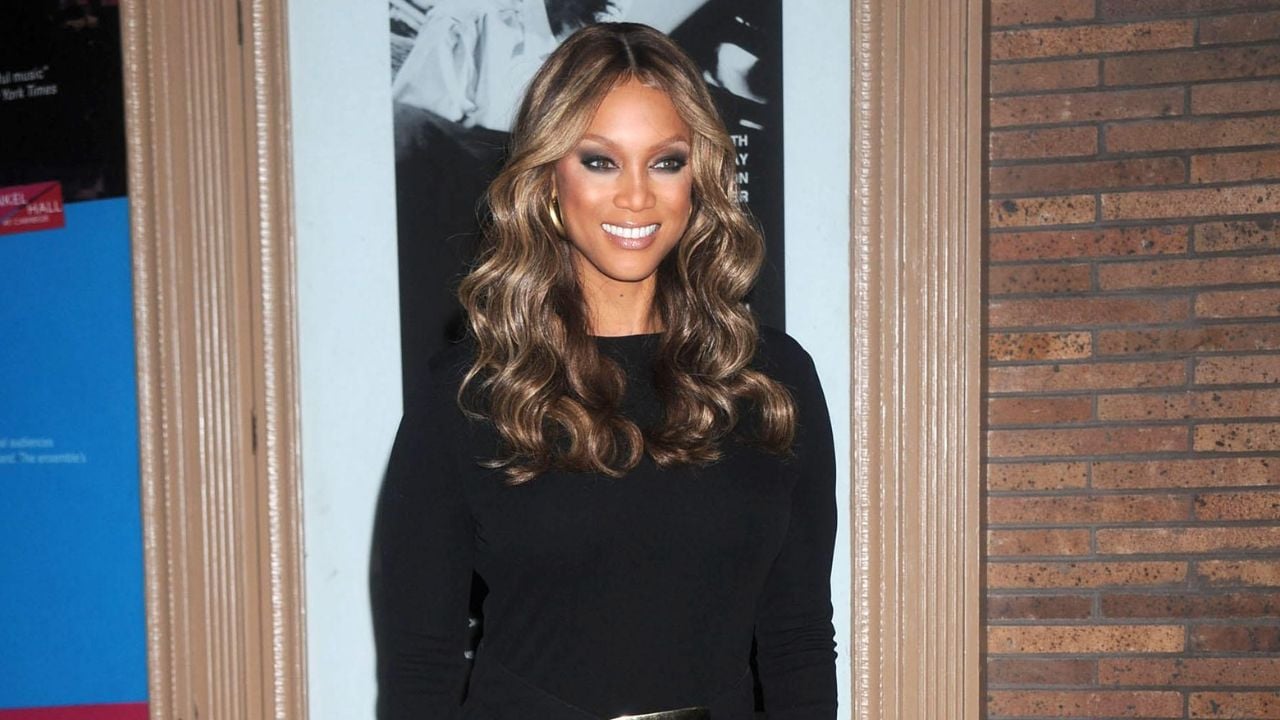
Tyra Banks is suing Netflix over the way she says she was portrayed in the streamer’s America’s Next Top Model docuseries.
The model, producer, and longtime host filed a defamation lawsuit against Netflix and the filmmakers behind Reality Check: Inside America’s Next Top Model. The Hollywood Reporter reported that Banks claims the series used selective editing and missing context to misrepresent her answers.
Banks alleges that the documentary created a false narrative about her role in some of the show’s most serious controversies. The complaint says the finished series damaged her reputation by making her appear dismissive, forgetful, or responsible for situations she says were not fairly presented to her.
The lawsuit follows the February 2026 release of Netflix’s three-part series, which revisited America’s Next Top Model years after the show’s judging, photo shoots, makeovers, and contestant treatment had been reassessed online.
Banks Says Hours of Interview Footage Were Cut Down to Minutes
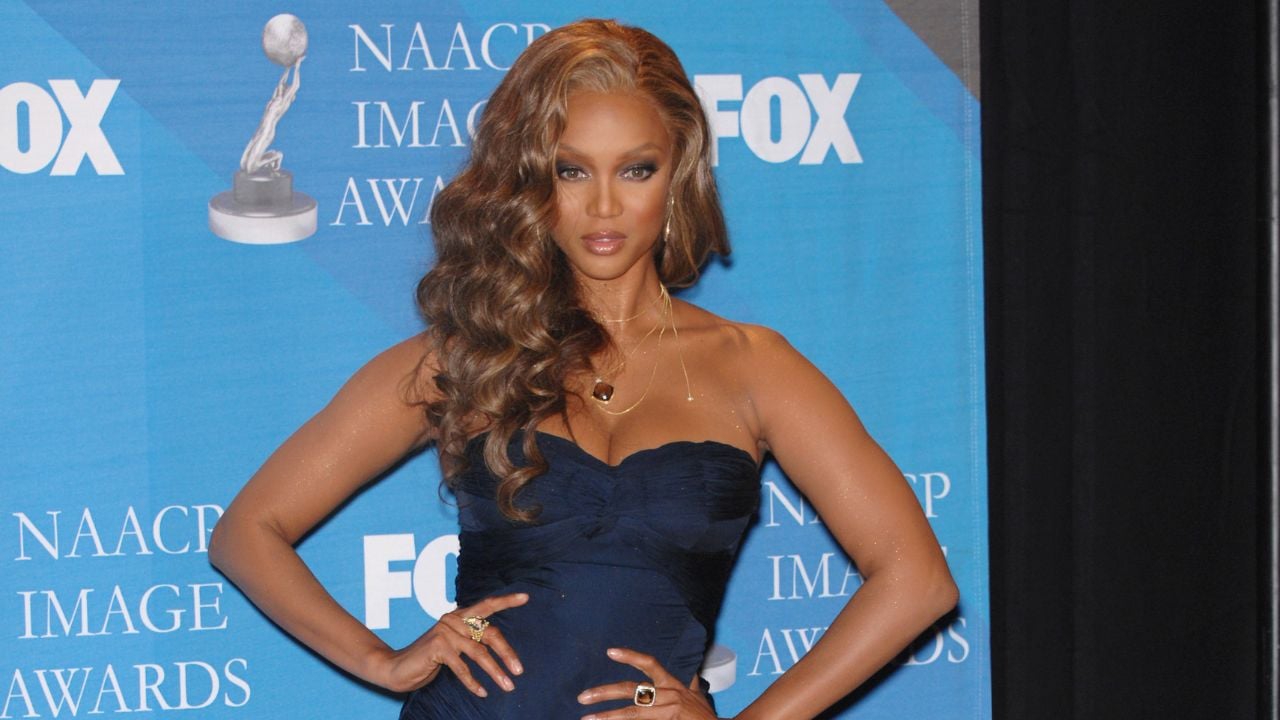
Variety reported that Banks sat for roughly three and a half hours of interview footage, but only about 16 minutes appeared in the final docuseries.
Her complaint says the filmmakers removed important context from her answers and used the remaining clips to support a version of events she disputes. Banks alleges that she agreed to speak candidly about the show’s legacy, but the final cut did not include the fuller explanations she says she gave.
The lawsuit accuses the project of defamation and claims the documentary manipulated her participation through editing, omission, and promotional framing.
The Shandi Sullivan Segment Is a Major Part of the Complaint
Banks’ lawsuit challenges the way the docuseries handled former contestant Shandi Sullivan’s experience during Cycle 2 of America’s Next Top Model.
Sullivan said in the Netflix series that she now views an incident from the show as sexual assault. Banks’ complaint says the documentary falsely suggests that she knowingly allowed Sullivan to be sexually assaulted, exploited the situation for television, and later failed to remember it when asked.
Banks denies that portrayal. The complaint says she was not told before her interview that Sullivan had participated in the documentary or that Sullivan would describe the incident that way in the series.
Banks Also Disputes the Miss J Alexander Portrayal
The lawsuit also addresses the docuseries’ treatment of Banks’ relationship with J. Alexander, known to Top Model viewers as Miss J.
The Netflix series discussed Alexander’s 2022 stroke and his relationship with Banks afterward. Banks alleges that the documentary implied she ignored him after his health crisis.
Her complaint says the series left out her claim that she was living in Australia at the time and tried to contact Alexander multiple times after learning about the stroke.
Netflix Said Banks Was Only an Interview Subject
Before the lawsuit, Netflix described Banks’ role in the docuseries on its Tudum site.
The streamer said Banks participated as an interview subject and did not have creative control over the final cut. Netflix also listed Ken Mok, Jay Manuel, J. Alexander, Nigel Barker, and several former contestants among the interviewees.
The Tudum description said the series looked back at the show’s legacy and asked whether contestants were treated fairly.
The Docuseries Revisited Top Model’s Most Criticized Moments
Reality Check: Inside America’s Next Top Model examined the long-running competition after years of online criticism over clips from the original show. Netflix’s promotional materials said the series included former contestants and winners such as Whitney Thompson, Shannon Stewart, Dani Evans, Keenyah Hill, and Sullivan.
America’s Next Top Model ran for 24 cycles and became one of the defining reality competitions of the 2000s. Banks created, hosted, and executive produced the series for most of its run.
E! News reported that Banks is seeking damages. The case now centers on whether the documentary’s editing and presentation crossed from criticism into defamation.