
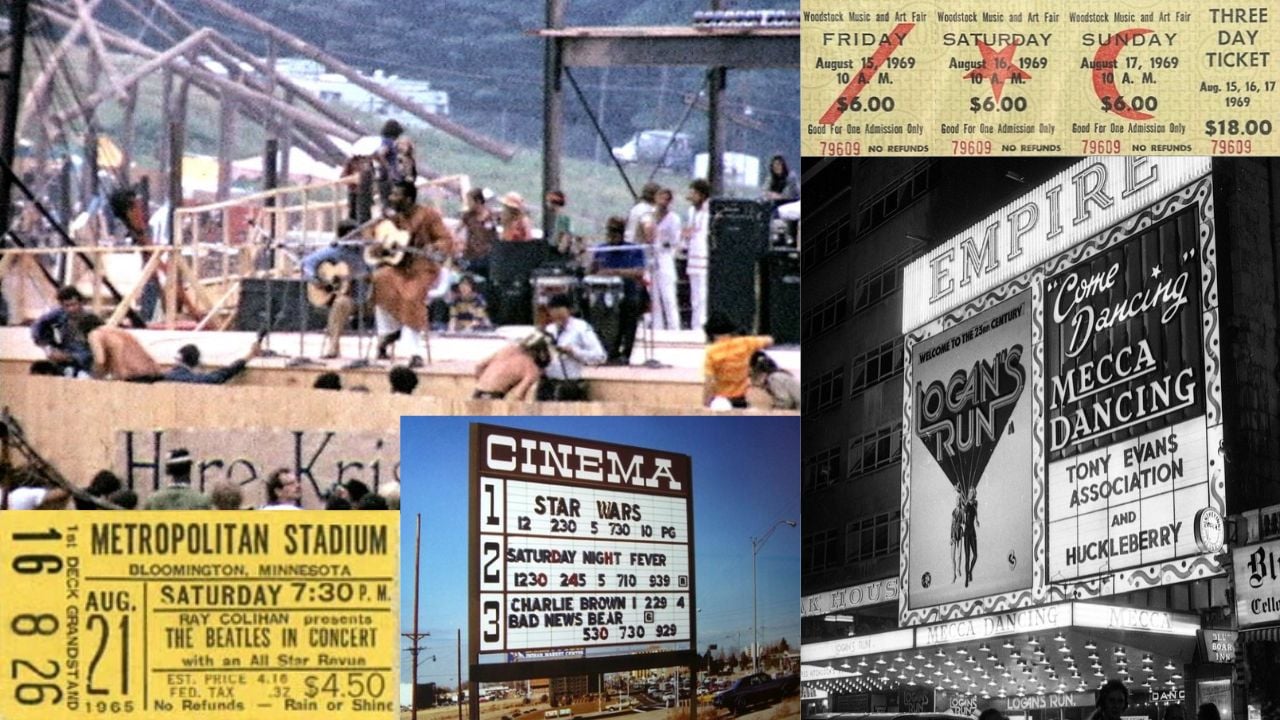
A $5.65 Beatles ticket sounds like a steal. Adjusted for inflation, the story gets more interesting.
On Aug. 15, 1965, the best seat in the house for the Beatles at Shea Stadium cost $5.65. Sixty years later, in 2025, when Paul McCartney played U.S. Bank Stadium in Minneapolis, tickets started at $135 and went past $750, as reported by the Star Tribune.
It is the kind of comparison that makes anyone shake their head. But a dollar in 1965 is not a dollar today. So we took the prices of the 1960s and ’70s and ran them through the government’s Consumer Price Index to see what they would cost in October 2026 dollars. We used historical annual averages from the Minneapolis Fed and the Bureau of Labor Statistics‘ October 2026 index.
Some of the answers will confirm what you suspected. One will surprise you.
Going to the Movies: Closer Than You Might Think
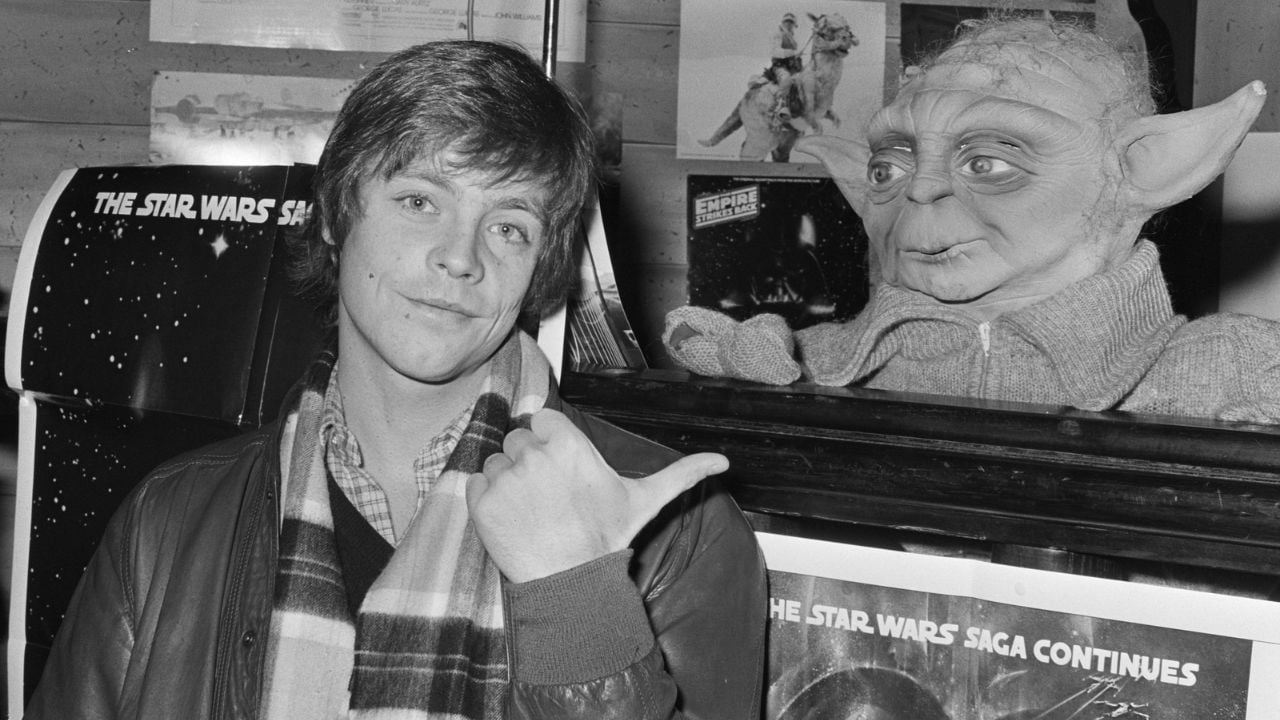
And now? Research firm EntTelligence put the average adult ticket at $13.46 through July 30, 2026, according to Reuters. The comparison is approximate, since the older averages were not limited to adults.
In other words, once you account for inflation, the ticket itself falls in roughly the same price range as when Lyndon Johnson was in the White House. What has changed is the experience around it: the premium formats, the reclining seats and, of course, the price of popcorn.
Records: The Big Surprise
Here is the one most people get wrong. Records were not cheap. In early 1965, an RCA pop LP listed for $3.98 in mono and $4.98 in stereo, as documented in Billboard. Adjusted for inflation, that $4.98 stereo album would cost about $53 today. The mono version would run about $43.
Stores also ran deals. A May 1973 Sam Goody ad preserved in Led Zeppelin’s official archive offered the band’s five albums for $3.49 each with the ad, against a $5.98 catalog price. That works out to about $27 on sale, or $45 at the listed catalog price, in today’s money.
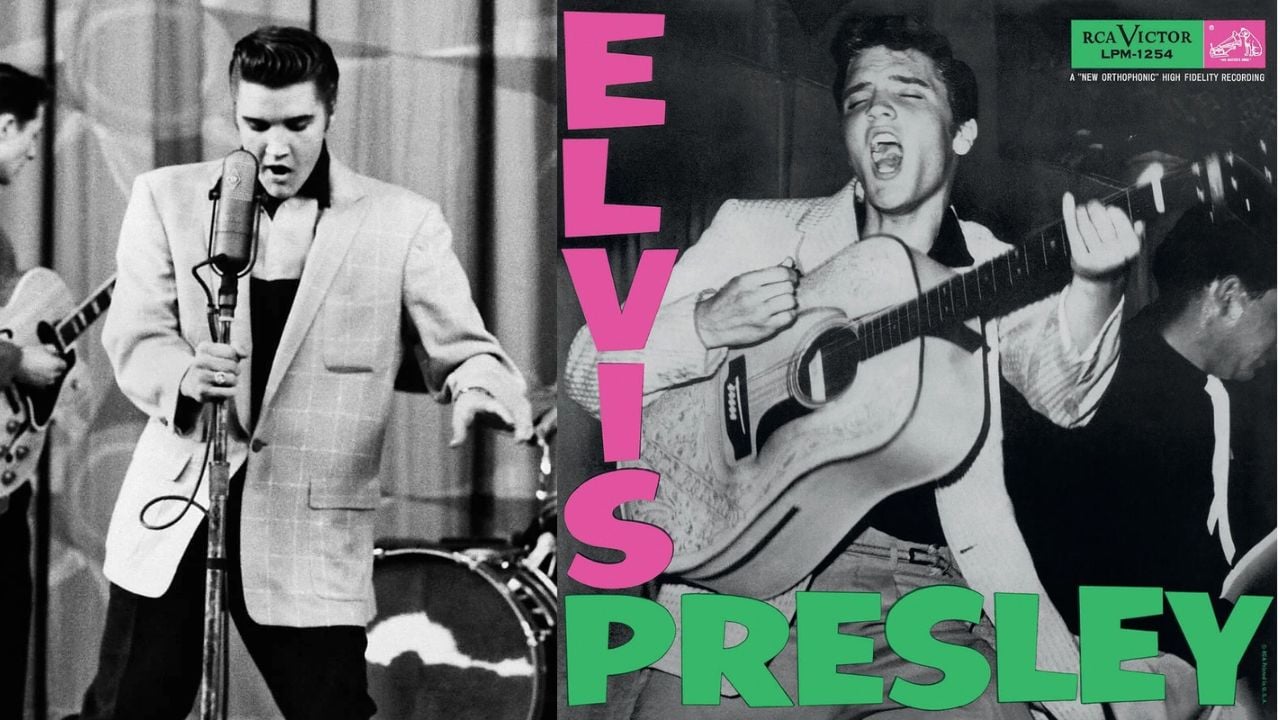
For one current example, Elvis Presley’s official online store, ShopElvis, lists a two-record reissue of his 1972 album “As Recorded at Madison Square Garden” for $39.99. Two records today, for less than the inflation-adjusted list price of one RCA stereo LP in early 1965.
If you saved up your allowance or your paper-route money to buy an album, you were not imagining it. It was a real purchase.
Concerts: Where Prices Really Took Off
Now for the part that confirms what you suspected. Beatles tickets at Shea Stadium in 1965 cost $4.50 to $5.65. That is about $48 to $61 today. Promoter Sid Bernstein was so confident about the Shea Stadium concert that he promised to pay $10 for any seat he could not sell, according to MLB.com. He never had to. A crowd of 55,600 showed up.
In 1969, a three-day Woodstock pass cost $18 in advance. That is about $166 today. At the gate, it was supposed to be $24, roughly $221 today, according to Bethel Woods. Single-day tickets were sold too. As it turned out, the organizers ran out of time to finish the fences and ticket booths, and with hundreds of thousands of people streaming onto Max Yasgur’s farm, Woodstock became a free concert for most of them.
Elvis sold out four shows at Madison Square Garden in June 1972. The best seats cost $10. The cheaper seats were $7.50 and $5, as The Second Disc documented. In today’s money, that is about $81 for the best seat in the house, with the cheaper options at $61 and $40.
Compare that with more recent prices. According to the trade publication Pollstar, the average ticket for the world’s 100 biggest tours in 2025 was $132.62. And that is just the average, before fees, before parking and before you look at the front rows.
So, Were the Good Old Days Cheaper?
It depends on what you were buying. Movie ticket prices are fairly close. Some records could actually cost more back then. Concerts are where the real change happened.
The top-priced Beatles ticket in 1965 works out to about $61 in October 2026 dollars, compared with the $132.62 average for the world’s 100 biggest tours in 2025. Of course, no price index can measure what those nights were worth to the people who were there.
What was the first concert you ever went to, and do you remember what you paid? Tell us in the comments. Bonus points if you still have the ticket stub.