It has been a whirlwind 24 hours for the Zayn Malik fandom, a rollercoaster that has swung violently from the high of a milestone musical achievement to the gut-wrenching reality of a celebrity crisis.
One moment, the internet was buzzing with the release of Konnakol, Zayn’s long-awaited fifth studio album, a project meant to cement his evolution as a solo artist and quiet the lingering noise of his past.
Next, the digital air was sucked out of the room by a dual punch of news that feels less like a typical week in Hollywood and more like the plot of a psychological thriller.
We aren’t just talking about a missed concert or a postponed promotional event; we are looking at the sudden, fiery implosion of a high-profile Netflix docuseries that promised to reunite two former One Direction stars, juxtaposed against a raw, stripped-back image of the singer himself, hooked up to monitors in a hospital bed.
For a fan base that has spent years reading between the lines of cryptic Instagram stories and carefully curated PR statements, this collision of events feels different… messier, more urgent, and deeply unsettling.
View this post on Instagram
The End of the Road for the 1D Reunion
For months, the rumors were the stuff of pop-culture daydreams. The prospect of a Netflix docuseries following Zayn Malik and Louis Tomlinson on a cross-country road trip was pitched as the ultimate healing journey… a narrative of two estranged bandmates putting the past behind them, bonding over the open road, and giving the millions of people who grew up with them a glimpse into their reconciliation.
It was a goldmine of a concept, built on the kind of nostalgia that keeps streaming platforms in business. But as we now know, that project has been unceremoniously scrapped, and the reason is as far from “reconciliation” as you can possibly get.
Reports indicate that the production didn’t just fizzle out; it collapsed following a volatile, physical altercation between the two stars. The narrative that we were all fed… that this was going to be a journey of mending fences, has been shattered by allegations of a volatile dispute that boiled over into a physical altercation.
According to reports, the row allegedly turned violent after comments were made regarding Louis’s late mother, Johannah Deakin.
One Direction star Zayn Malik punched Louis Tomlinson in the face after making a derogatory remark about his late mum Johannah in a furious bust up – and now Netflix have CANCELLED their road trip show.https://t.co/ro8OcBjWen
— Ellie Henman (@ellie_henman) April 17, 2026
To see a project meant to celebrate connection end in a report of a concussion and security intervention is a jarring reminder that real-life relationships, especially those forged in the pressure cooker of boy-band fame, aren’t easily rewritten for a streaming audience.
It forces us to ask: Were we ever actually watching a reunion, or were we witnessing a forced marketing exercise destined to buckle under the weight of genuine, unresolved history?
The Hospital Bed. Timing, Context, and the PR Calculus
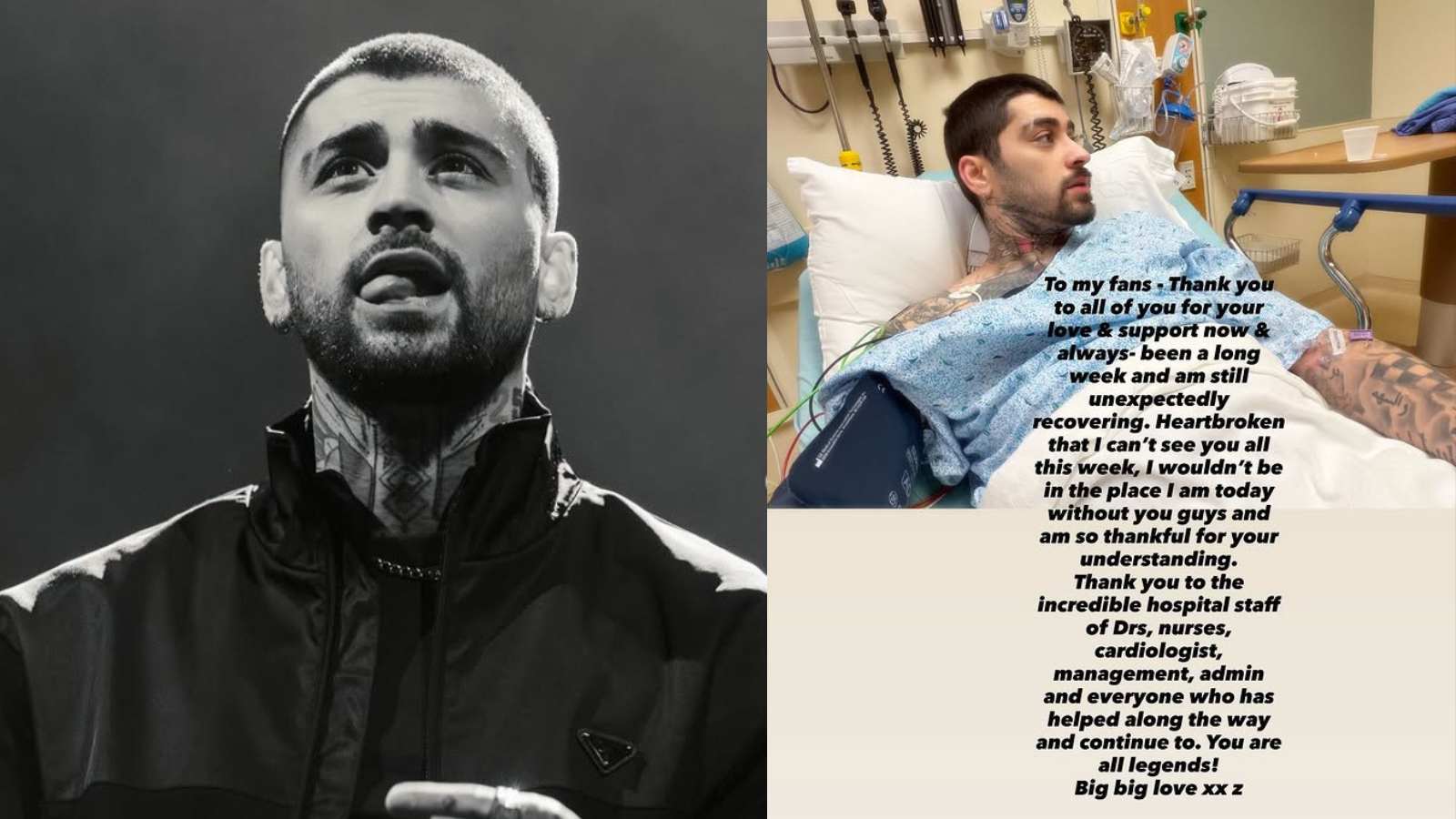
Then, there is the other side of the coin: the photograph. Zayn Malik, one of the most guarded figures in modern pop music, shared a candid update from a hospital bed on the very day his new album, Konnakol, hit the shelves.
It’s an image that pulls at the heartstrings instantly… the IV drip, the medical monitors, the exhausted expression of a star who has seemingly given everything to his craft. He thanked the medical staff, specifically mentioning a cardiologist, and cited a “long week” of “unexpected” recovery.
While the outpouring of support from fans has been immediate and heartfelt, it is worth pausing to examine the optics here more critically. Within the calculated landscape of celebrity public relations, the timing of such a reveal is rarely a mere coincidence.
Omg I’m so devastated right now! I never thought I’d see loml admitted to the hospital. he mentioned a cardiologist Omg Zayn I wish you a speedy recovery and hope it’s not a serious issue. May Allah protect you always ❤️🩹 We love you and support you for better or worse @zaynmalik pic.twitter.com/loUZ4Q1oTP
— Toka (@teeluvzee) April 17, 2026
The release of an album is a massive promotional machine, and when that machine is suddenly threatened by a scandal as ugly as a physical altercation with a former bandmate, the narrative often needs an immediate pivot.
Is the hospitalization, with its focus on vulnerability and health, serving as a shield against the fallout of the docuseries disaster? It’s a convenient, if not entirely coincidental, shift in the conversation.
By leaning into his own fragility at the exact moment his reputation faces its greatest test, the focus shifts from “Zayn the aggressor” to “Zayn the person in pain.” It is a classic move in the crisis management playbook: when you can’t control the controversy, you reframe the subject.
Whether this health scare is as severe as suggested or a timely piece of narrative damage control, it successfully pulls the lens away from the messy reality of the Netflix cancellation and puts it squarely back on the star’s need for our collective sympathy.
The Myth of the ‘Happy’ Rebranding
We need to stop buying into the idea that pop stars are just like us, and more importantly, we need to stop expecting them to resolve their trauma for our entertainment. The failed Netflix project was never going to be a simple, feel-good romp; it was an attempt to monetize nostalgia.
The fact that it ended in a fight is, frankly, the most authentic thing about it. It proves that the “One Direction reunion” brand is a fantasy that doesn’t account for the fact that these men have grown up, grown apart, and grown into people who, by their own admission, have moved on.
This brings us to a stark, perhaps unpopular truth: maybe we are the problem. We demand these reunions, we crave the “happy ending,” and we pressure these artists to perform a closeness that no longer exists.
When they fail to live up to that impossible standard, we act shocked, as if the human friction between them wasn’t always a part of the dynamic. Zayn’s current situation is a sobering reminder that there is a steep price for this kind of constant, public scrutiny.
Whether he is dealing with a genuine health crisis or navigating the fallout of a public PR nightmare, he is human and clearly overwhelmed. Perhaps instead of dissecting the hospital photo or mourning the loss of a fake road trip, we should let the man, and the rest of the 1D alumni, actually move on. Maybe the most “entertaining” thing we can do as a culture is to finally stop watching.