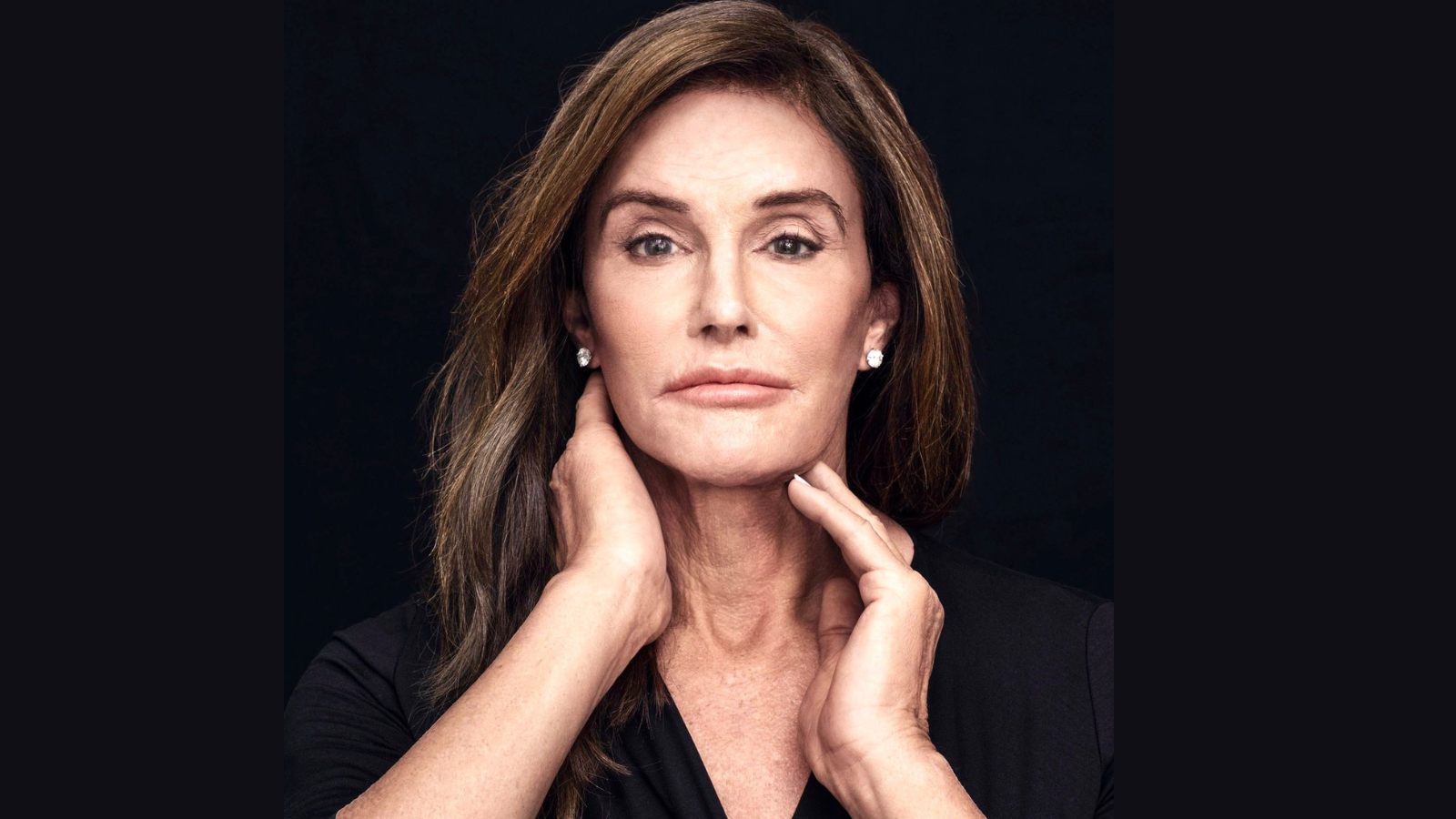
You know how policy changes often feel completely abstract until they suddenly land in someone’s actual life? Well, this one hit hard. And it landed in a way that’s genuinely difficult to look away from.
Here’s the full picture: Caitlyn Jenner publicly transitioned in 2015. In the years that followed, she had her birth certificate legally updated to reflect her gender as female.
So when she went to renew her U.S. passport in early 2026, she expected a routine update. What came back instead had “M” listed as her gender marker. As in male. On her current, freshly renewed passport.
That is not a clerical error. That is the policy working exactly as designed. On January 20, 2025, President Trump signed an executive order requiring U.S. passports to reflect sex assigned at birth, with only male or female markers permitted.
Updated state records, amended birth certificates, and prior legal changes at the state level? None of that overrides the federal standard under this rule. The passport reflects birth sex. Period.
Jenner addressed the whole situation in an interview with Tomi Lahren, calling the policy “not well thought out.” Given everything she went through, that is remarkably restrained.
And here is the part that has people talking: Jenner has publicly supported the Trump administration. The same administration responsible for signing this order. She is not an outside critic of the policy. She is someone who voted for and publicly backed these people, and this is now her lived experience of their governance.
What the Courts Are Doing About It
Now, if you’re wondering whether anyone is challenging this legally, the answer is yes. Between November 5 and November 9, 2025, the Supreme Court issued a temporary administrative stay, allowing the policy to remain in effect while legal challenges work their way through the lower courts.
The Court did not rule on whether the policy is constitutional or legal. It simply allowed enforcement to continue during the litigation period. So for anyone trying to navigate the passport system right now, that distinction matters.
The policy is active. It is being enforced. And the experience of going through the process is very real for the people on the receiving end, regardless of how the courts ultimately resolve the broader legal questions.
The legal debate is unfolding in one room, and the actual effects are unfolding in another, and those two rooms are not always connected in ways that offer relief on any particular timeline.
How She Tried To Fight It
Jenner did not accept the situation passively. She filed an official appeal through the State Department, treating the male gender marker as a clerical error rather than an intentional application of policy. According to Jenner, that appeal was denied.
There is no independent confirmation from the State Department regarding her specific case, but based on her interview, the policy appears to be applied consistently. That includes situations where someone has legally updated their documentation at the state level. The amended birth certificate did not change the outcome.
She also went further than a formal appeal. In February 2026, Jenner visited Mar-a-Lago and left a letter for President Trump through the Secret Service, personally outlining her passport situation and requesting that it be addressed.
As of her April 2026 interview, she had not received any response. There is no independent verification that the letter reached the president, but she confirmed she had sent it and was still waiting for a response.
Why This Makes Travel Complicated
The place where this becomes most immediately practical is international travel. Jenner said that the discrepancy between her presentation and what is listed in her passport raises safety concerns. She described feeling unable to use the document for international travel under current conditions.
That gap between how someone presents and what their identification documents say can draw scrutiny at border crossings and checkpoints, creating real complications. Jenner’s concerns are not abstract. “I can’t travel internationally anymore. I can’t use my passport,” Jenner said, citing safety concerns.
What Is Still Not Clear
Several aspects of how this policy works in practice have not been publicly detailed, and the gaps are not minor ones.
There are no verified statistics on how many people have been affected by the change in passport gender markers since the executive order took effect, how many appeals have been filed, or how many have been denied. The federal process for evaluating amended birth certificates has not been clearly explained in any public guidance, either.
Jenner’s case shows that a legally updated state birth certificate did not change her passport outcome, but there is no official explanation of how agencies weigh such documentation. And it has still not been confirmed whether people currently holding valid, unexpired passports issued before the executive order will eventually be required to update them.
For anyone planning international travel, that is not a small thing to leave unanswered.
Where Things Stand Now
The legal process is ongoing. Until the courts reach a definitive ruling, the policy remains active and enforceable. Jenner continues to express support for President Trump even as she publicly describes the personal impact of his administration’s policy on her own documentation and mobility.
Her story has drawn attention because it puts a recognizable face on something that could otherwise remain a policy abstraction. What she is describing is a core identification document being issued in a way that she says makes international travel unsafe for her.
The courts will eventually settle the broader legal questions. In the meantime, the policy is in effect, the ACLU’s legal challenge continues in the lower courts, and the letters to Mar-a-Lago are going unanswered.