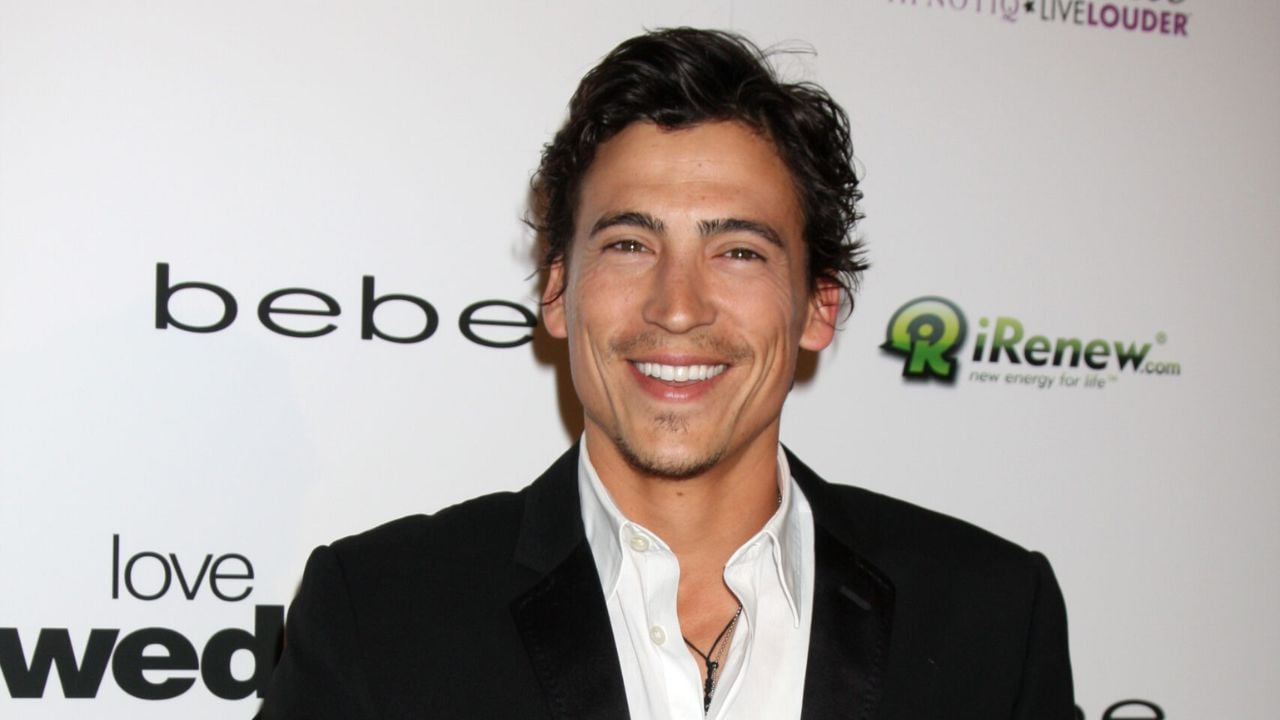
Andrew Keegan says some of his Hollywood residual checks are so small they barely function as income.
The actor, known to many viewers from 10 Things I Hate About You and 7th Heaven, spoke about the payments on The McBride Rewind podcast. According to Entertainment Weekly, Keegan said some checks from past TV work have been for just one cent.
The comment was funny on the surface, but it pointed to a bigger gap between how fans imagine old TV and movie money works and what some performers actually receive years later.
Keegan Said Some Checks Are Not Worth the Mail
View this post on Instagram
Keegan joked that sending a one-cent residual check costs more than the check itself. Entertainment Weekly reported that he said postage alone costs far more than the payment.
He also said the checks are sometimes so small that he does not look closely enough to see which project generated them. The amount, he said, is often not worth the effort.
Keegan’s biggest residuals still come from 10 Things I Hate About You, the 1999 teen comedy in which he played Joey Donner opposite Julia Stiles, Heath Ledger, Joseph Gordon-Levitt, and Larisa Oleynik. Even there, the checks are modest. Entertainment Weekly reported that Keegan described those payments as landing roughly between $10 and $80.
The Story Lands Because Keegan Is Still Recognizable
The one-cent detail stands out because Keegan is not talking about an obscure credit nobody remembers. 10 Things I Hate About You remains one of the most rewatched teen comedies of the late 1990s, and 7th Heaven ran for years on broadcast television.
That is the part casual viewers often miss. A role can remain familiar without turning into reliable income decades later. Recognition, reruns, clips, streaming availability, and nostalgia do not automatically mean an actor is receiving large checks.
Keegan’s comments fit that disconnect. Fans may still remember the face, the movie, and the character. The residual payment can still arrive as a penny.
Danny Pintauro Made a Similar Point
Keegan’s comments came days after another former TV star spoke publicly about residuals. Entertainment Weekly reported that Who’s the Boss? alum Danny Pintauro said he makes more from Amazon delivery work than from residuals tied to the sitcom.
Pintauro said a strong year of residuals from Who’s the Boss? might bring in around $9,000. That number surprised some fans because the show remains one of the best-known sitcoms of the 1980s and early 1990s.
In a separate interview, People reported that Pintauro pushed back on the idea that a recognizable former child star must be financially set for life. He said viewers often overestimate what old residuals actually provide.
Jodie Sweetin Also Received a One-Cent Check

Keegan and Pintauro are not the only actors talking about tiny payments. People reported that Full House star Jodie Sweetin recently said she received a one-cent residual check connected to the original sitcom.
Sweetin played Stephanie Tanner for the full original run of Full House and later returned for Netflix’s Fuller House. The character remains one of the most familiar roles from family television of that era.
Her comment added another example to the same conversation: shows can remain culturally visible long after the money attached to them becomes unpredictable or tiny.
The Checks Show the Gap Between Fame and Income
Residuals are not one simple royalty payment that stays the same forever. SAG-AFTRA says residual payments can come from several kinds of reuse, including free TV, basic cable, pay cable, video, DVD, new media, and theatrical uses, depending on the project and contract.
That complexity helps explain why the public often misunderstands the issue. A beloved movie or sitcom may keep circulating, but the money reaching a performer can depend on contracts, distribution, reuse type, and how the project is still being shown.
Keegan’s one-cent checks make the point in the simplest possible way. A familiar face from a movie people still quote can open a residual envelope and find almost nothing inside.