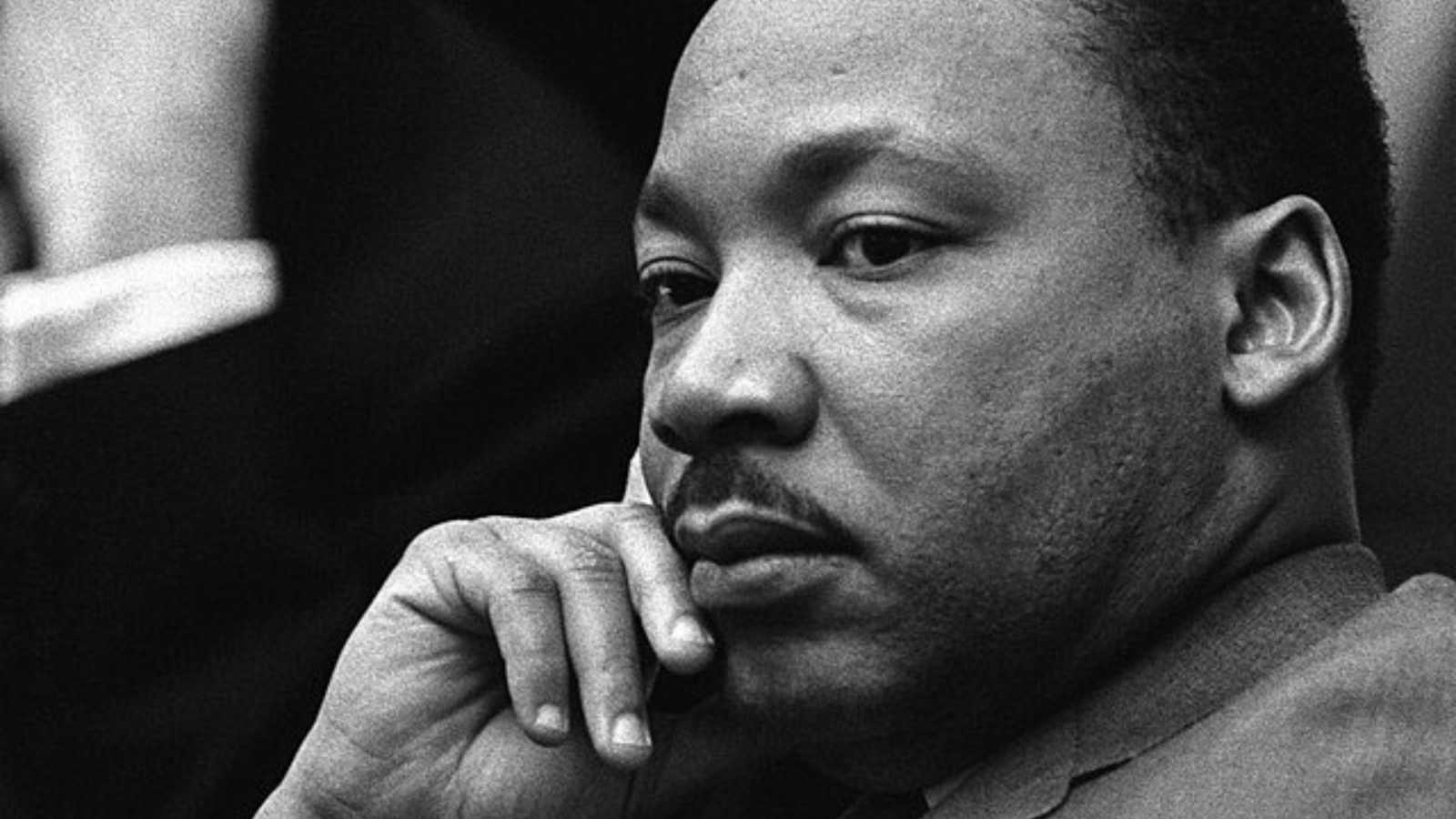
Martin Luther King Jr. is more than a name we celebrate every year on MLK Day. He was a multifaceted individual who shaped history not just with his powerful words but with his courage, intellect, and persistence.
Here are 12 surprising facts about King that will give you a deeper look at the man who changed the course of American history.
Martin Luther King Jr. Wasn’t Born Martin Luther King Jr.
You may know him as Dr. Martin Luther King Jr., but his original name was Michael King Jr. Born on January 15, 1929, in Atlanta, King’s father changed both of their names in 1934 after learning about Martin Luther, the 16th-century theologian. The name change was a personal and symbolic choice, representing his father’s desire to raise his son with the legacy of a man who fought for religious freedom.
He Earned a PhD Before His Famous Speech
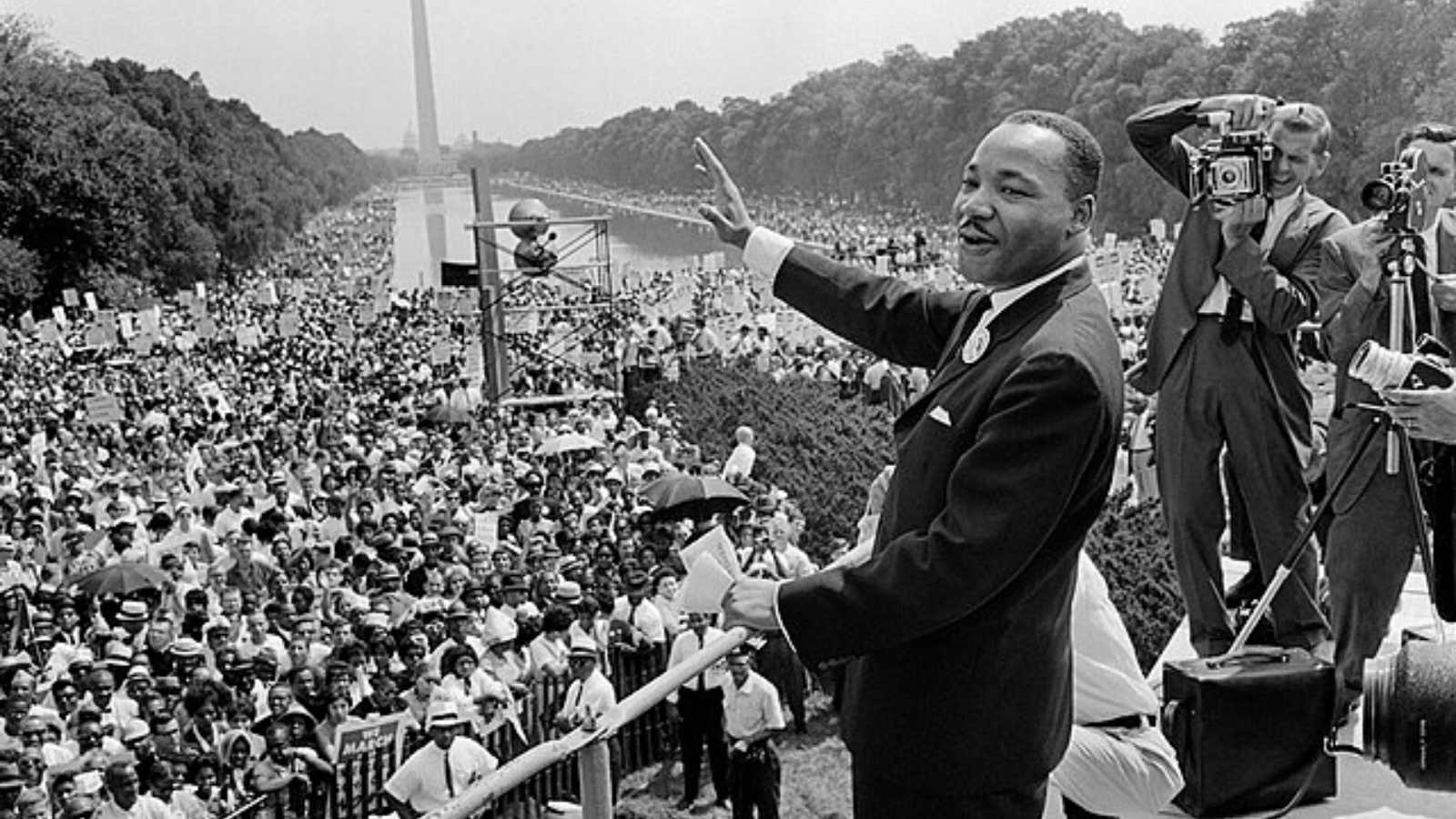
King’s famous “I Have a Dream” speech didn’t come out of nowhere. In 1955, he earned a doctorate in systematic theology from Boston University, after studying at Morehouse College and Crozer Theological Seminary. His academic background in theology gave him the moral and intellectual foundation to lead the Civil Rights Movement with such profound wisdom.
King Was Arrested 30 Times
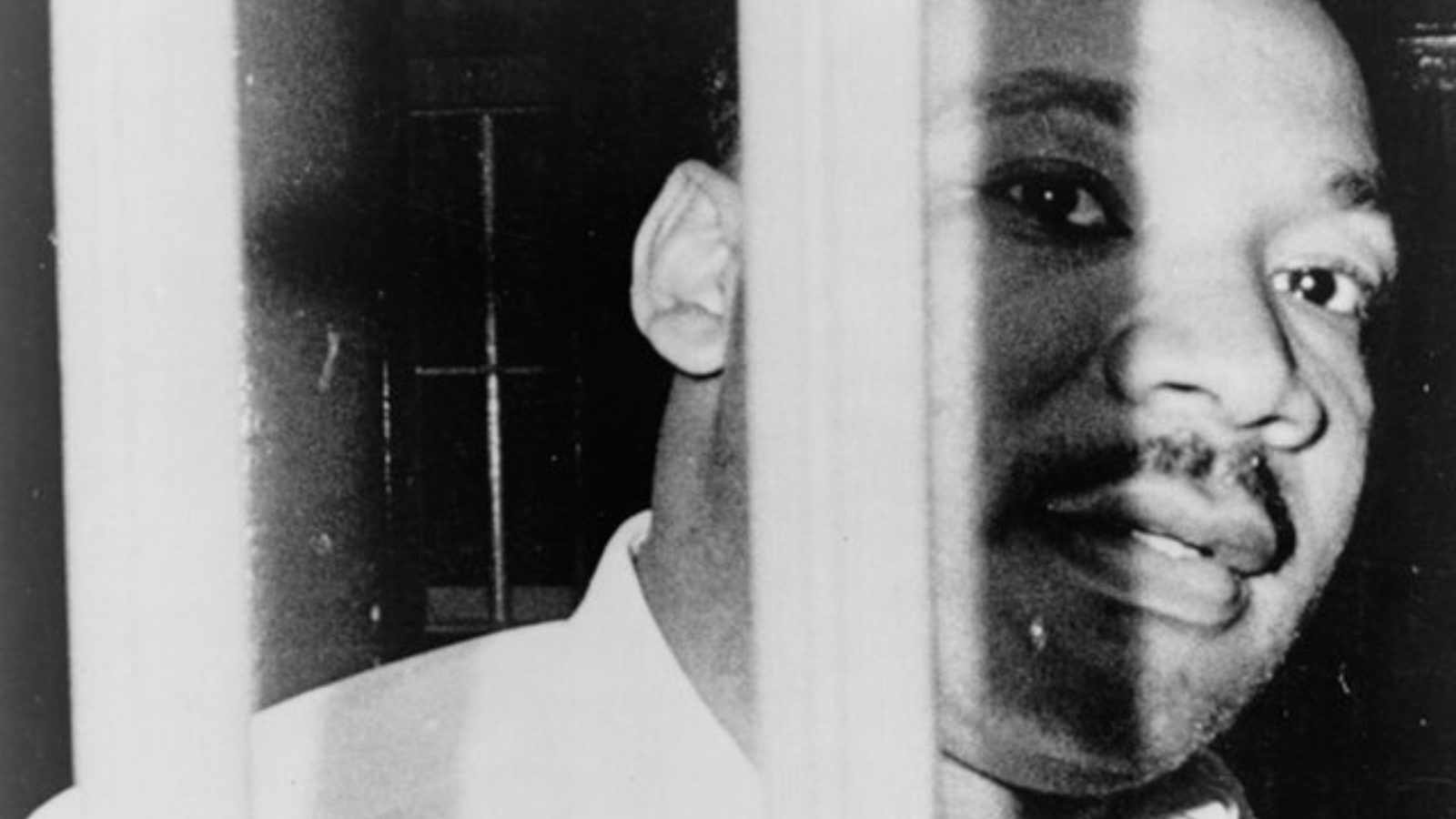
You might think of Martin Luther King Jr. as the peaceful leader with a steady demeanor, but he was arrested 30 times. From charges of civil disobedience to minor infractions, King was regularly incarcerated during his fight for civil rights. It was during one of his imprisonments in 1963 that he wrote his famous Letter from Birmingham Jail, cementing his status as a hero of the struggle.
The FBI Tried to Coerce Him Into Suicide
King wasn’t only fighting against segregation and racial injustice; he was also being targeted by the FBI. In 1964, FBI director J. Edgar Hoover sent King an anonymous letter urging him to commit suicide, threatening to expose alleged extramarital affairs. Rather than bowing to the pressure, King continued his fight for justice, undeterred by the government’s attempts to silence him.
He Survived a Near-Fatal Stabbing in 1958
Most people associate Martin Luther King Jr.’s life with his eventual assassination, but he narrowly avoided death ten years earlier. During a book signing in Harlem in 1958, he was stabbed in the chest by a woman named Izola Curry. The wound was dangerously close to his heart, and doctors later said a sneeze could have killed him. Luckily, King survived the attack and continued his work.
He Got a C in Public Speaking

It’s hard to believe that the man who became one of the most iconic orators in history wasn’t always a natural at speaking. During his time at Crozer Theological Seminary, King struggled with public speaking, even earning C and C+ grades in two terms. His later speeches, including I Have a Dream, were the result of hard work, self-reflection, and practice.
He Won a Grammy Award
King’s voice wasn’t just powerful in person; it also became legendary in the recording world. In 1971, a recording of his Why I Oppose the War in Vietnam speech won a Grammy Award for Best Spoken Word Recording. This was just the beginning. His I Have a Dream speech was inducted into the Grammy Hall of Fame in 2012.
He Was a Huge Star Trek Fan
Believe it or not, Martin Luther King Jr. was an avid fan of Star Trek. In 1967, he personally told actress Nichelle Nichols, who played Lt. Uhura on the show, that he and his family watched Star Trek together, and he even encouraged her to stay on the show. King admired her role as a strong Black woman in a leadership position on television, something he felt was important for representation.
King’s Wedding Night Was Spent in a Funeral Home

King and Coretta Scott King’s wedding night in 1953 wasn’t spent in a luxurious hotel, but in a guest room of a funeral parlor. As a Black couple in segregated Alabama, they were turned away from local hotels. A close friend of Coretta’s offered the parlor’s guest room, and it became a symbol of the struggles they faced even in the early days of their marriage.
Ronald Reagan Was Initially Against a National Holiday for MLK
Even after King’s death, the fight for recognition continued. In the early 1980s, President Ronald Reagan opposed the idea of a national holiday in King’s honor. He worried it could lead to other groups demanding their own holidays, and his administration stalled efforts to establish Martin Luther King Day. It wasn’t until 1983 that the holiday was officially signed into law by President Reagan.
The U.S. Treasury Planned to Feature King on the $5 Bill

In 2016, the U.S. Treasury announced plans to redesign major currency bills, including the $5 bill, which would have featured King’s image to commemorate his famous I Have a Dream speech at the Lincoln Memorial. Although the plans were delayed by the Trump administration, they showed just how central King is to American culture and history, and how his legacy is still being shaped.
A Volunteer Took Home a Piece of History from the March on Washington
One of the most famous moments in the Civil Rights Movement occurred during the 1963 March on Washington, when King delivered his iconic “I Have a Dream” speech. After the march, volunteer George Raveling, who had helped with logistics, asked King for the speech manuscript. King handed it over without hesitation, and Raveling kept it for years, eventually realizing its historical value. He turned down offers of up to $3.5 million for the document, insisting it would stay in his family.
Conclusion
Martin Luther King Jr. was a man of many layers, and these 12 surprising facts shed light on his resilience, intellect, and humanity. From near-death experiences to breaking barriers in culture and government, his life reminds us that even the greatest leaders are shaped by trials and triumphs.