Imagine standing in the center of a stadium, 70,000 people screaming your name. The air vibrates with a love so loud it feels like a physical weight. For most of us, that is the ultimate dream, the pinnacle of human connection.
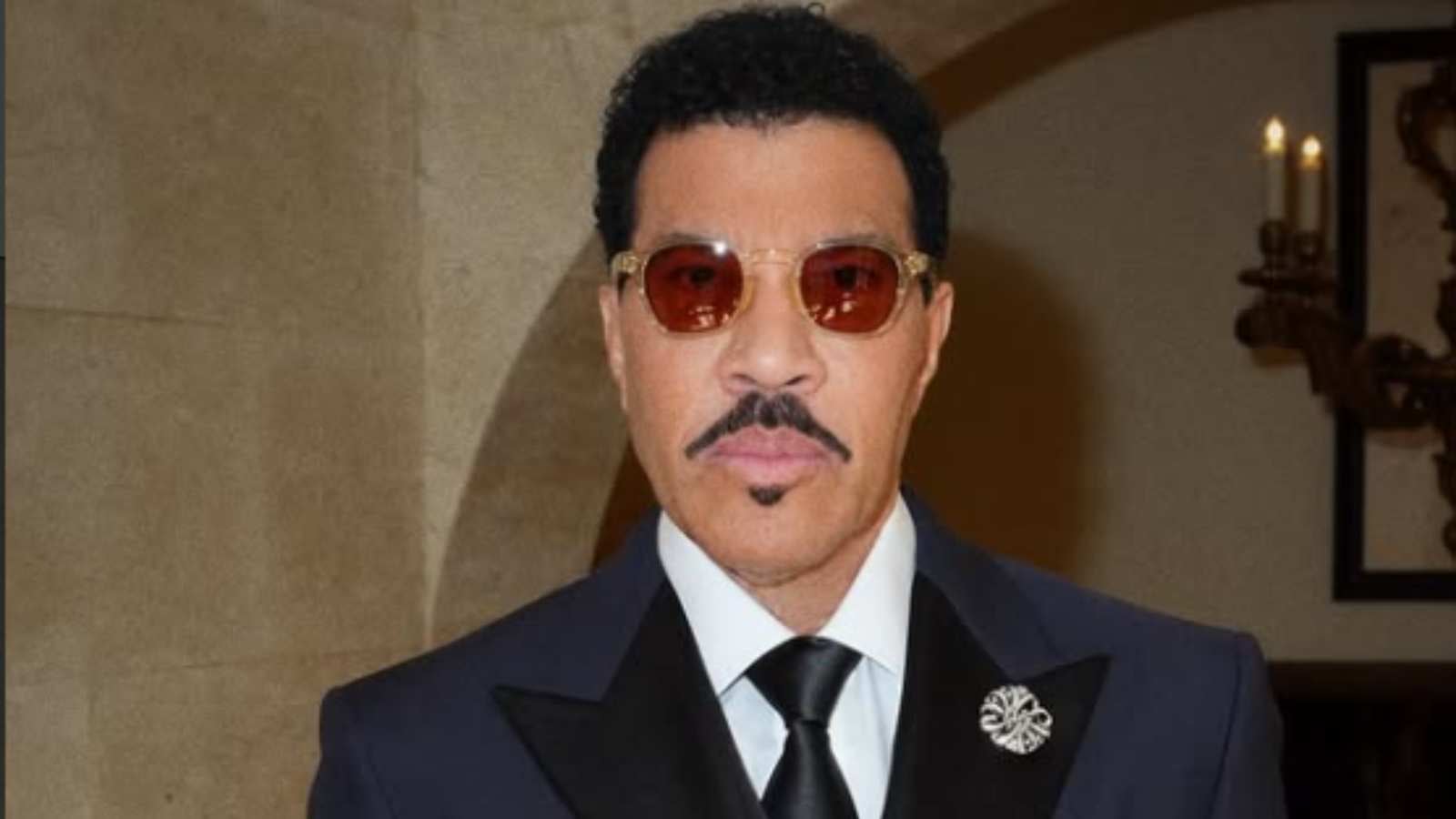
But for the man who wrote “Hello,” the reality of that spotlight is a bit more complicated, and frankly, a lot lonelier than you’d think. Lionel Richie has spent over five decades as the world’s therapist, soundtracking our breakups, weddings, and “All Night Long” celebrations.
Yet, in his 2025 memoir Truly, the 76-year-old legend dropped a truth bomb that has the industry buzzing. He suggested a radical, uncomfortable idea: In the kingdom of celebrity, not everyone actually likes the “people” they are performing for. In fact, some of your favorite celebrities might be terrified of you.
The Tuskegee Truth vs. The Hollywood Hustle
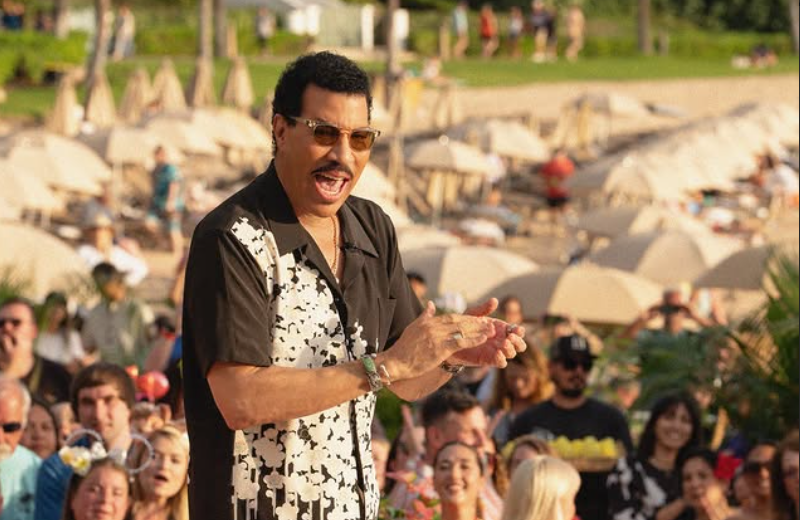
To understand why Lionel is looking at the red carpet with a side-eye these days, you have to look at where he started. Richie grew up in Tuskegee, Alabama, a place where community wasn’t a “fan base,” it was family. In Tuskegee, if you were married, people respected the boundary.
“In Tuskegee, if you met someone at a party, all you had to say was, ‘I’m married,’ and the woman would… back away,” Richie recalls. But when he hit Los Angeles? The rules didn’t just change; they vanished.
He tells a story of a woman hitting on him early in his career. When he politely declined, mentioning his wife, her response was cold and clinical: “Is she with you right now?” This was Richie’s first clue that the “spotlight” attracts a specific type of person… those who view human connection as a transaction rather than a relationship.
The “I Love You” Devaluation
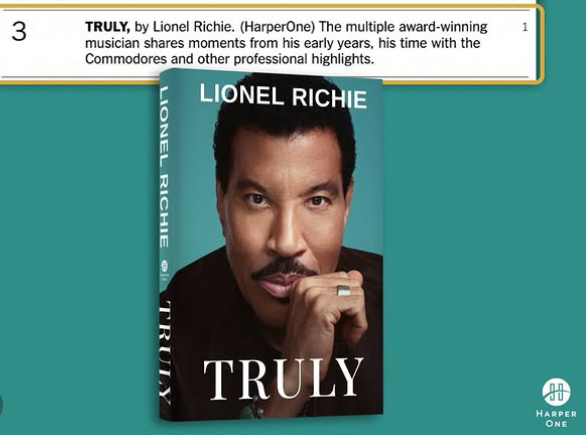
Richie’s most heartbreaking revelation in Truly isn’t about the parties or the Grammys; it’s about the three most famous words in the English language. For a man who built a billion-dollar career on the word “love,” Richie admits he eventually stopped trusting it.
“In the business of fame, ‘I love you’ loses its magic fast,” he writes. “It became a throwaway phrase.” He describes a phenomenon where the “celebrity self” and the “authentic self” begin to split. When a fan screams “I love you” to a star, they aren’t loving the human; they are loving the image.
Richie suggests that many celebrities eventually stop “liking” people because they feel they haven’t met a real person in years. They are surrounded by “candidates” wanting to be the next “one and only,” and fans who view them as objects. After a while, the star begins to reflect that coldness back.
This erosion of trust transforms the very nature of a star’s social circle, turning what should be a support system into a high-stakes screening process. Richie explains that when “love” becomes a currency for buying proximity or influence, the celebrity learns to build a psychological fortress that few are ever allowed to scale.
It creates a tragic paradox: the more the world shouts its devotion, the more the artist retreats, suspecting that the “love” being offered is actually a demand for a performance or a piece of their legacy. This isn’t just a loss of magic; it’s a loss of the basic human right to be seen without a filter.
By the time a legend reaches the level of a Richie or a Jackson, the “authentic self” has often been tucked away so deeply for safekeeping that even the star themselves can struggle to find the way back to the person they were before the world fell in love with their reflection.
The Secret Antisocial Club of Hollywood

While we often think of celebrities as the ultimate extroverts, the data suggests otherwise. Psychological studies on “The Phenomenology of Fame” describe a process called entitization, in which the famous person begins to feel like a “thing” (a “Barbie doll” or a “clay figure”) rather than a human.
Richie isn’t the only one feeling the disconnect. Look at the roster of “introverted” icons who have struggled with the very people who buy their tickets: Let us look at Michelle Pfeiffer, who once famously said, “I act for free, but I demand a huge salary as compensation for the annoyance of being a public personality.”
Also,Megan Fox, who likened the experience of fame to “high school harassment on a global scale.”And Daniel Radcliffe,who has been vocal about how “rude fans” and the constant surveillance of the public eye made him retreat into himself during his 20s.
There is a growing list of “A-listers” who are essentially “quiet quitters” of the social aspect of fame. They love the craft, but they find the people part of the job, the selfies, the small talk, the constant “on” switch… to be soul-crushing.
Is It Actually “Mean” to Not Like Fans?
Here is where it gets spicy. The standard narrative is that celebrities owe us their kindness because we “made” them. We bought the albums; we paid for the movie tickets; we are the reason they have the 10-car garage in Hidden Hills.
But what if Lionel Richie is right? What if we, the public, have become so entitled that we’ve made it impossible for a celebrity to actually like us?
Imagine this: In 2026, every person in a crowd is a walking camera. There is no “off” time. If a celebrity is having a bad day, attending a funeral, or going through a messy breakup, they are still expected to smile for a TikTok. If they don’t, they’re “canceled” for being “stuck up.”
The hard truth is, we have turned the human experience of meeting someone into a digital trophy hunt. When a celebrity “doesn’t like people,” they aren’t necessarily hating you; they are hating the version of humanity that views them as a prop.
Maybe the reason Lionel Richie is warning us is that he sees a generation of talent that is choosing to stay behind gates, not because they are “better” than us, but because they are protecting what’s left of their sanity. If you were treated like a shiny object 24/7, would you still “like” the people looking at you?
The “Smelly” Reality of the Greats
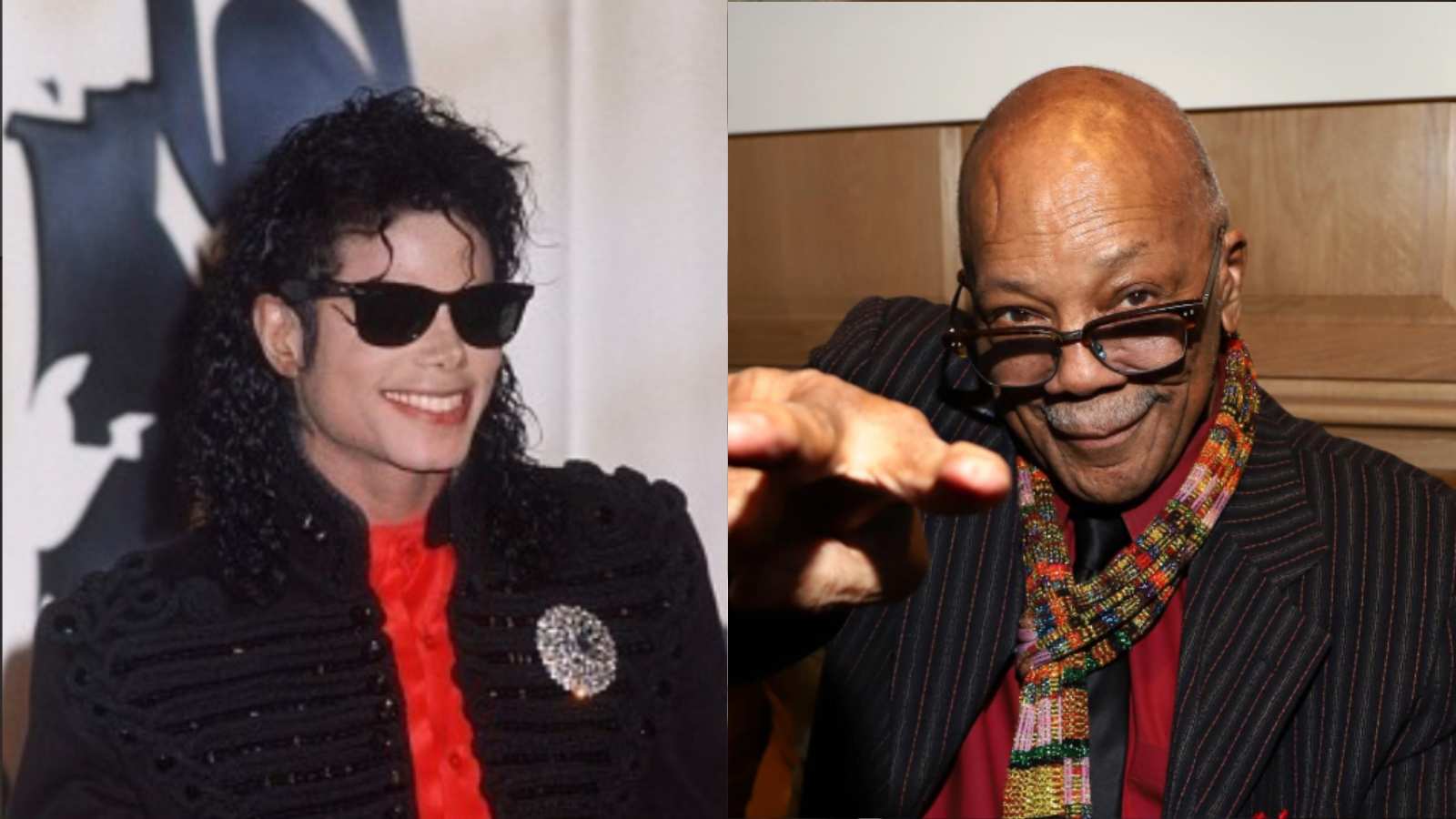
Richie’s book doesn’t just stick to fame philosophy; it gets gritty. In one of the more talked-about chapters of Truly, Richie reflects on his “We Are the World” era and his friendship with Michael Jackson. He touches on the “eccentricity” of the King of Pop, revealing that he and producer Quincy Jones even had a nickname for MJ: “Smelly.”
While the nickname originally referred to MJ’s “smelly” (funky) grooves, Richie hints at a deeper tragedy: Michael was the ultimate example of someone who loved “the world” but was terrified of “the people.” He lived in a bubble because the outside world had become a “small tornado” that could sweep him off his feet.
Richie’s message is clear: Fame doesn’t make you more social. It makes you a “perpetual college student,” forever trying to figure out who is “real” and who is “fake.”This “perpetual student” mindset creates a unique kind of arrested development that Richie observes across the industry.
When you are shielded from the “real world” by security details and publicists, you never quite learn the social calluses that most people develop in their twenties; instead, you remain in a state of hyper-vigilance, constantly grading the people around you on a curve of authenticity.
It is why Richie notes that many icons seem to “freeze” at the age they first became famous. They aren’t being difficult or eccentric for the sake of it; they are simply operating from a survival manual that tells them every new handshake is a potential trap.
By pulling back the curtain on this, Lionel isn’t asking for pity; he’s offering a masterclass in the psychological cost of being “The Chosen One,” reminding us that the brightest lights often cast the longest, loneliest shadows.
A New Kind of “Hello”
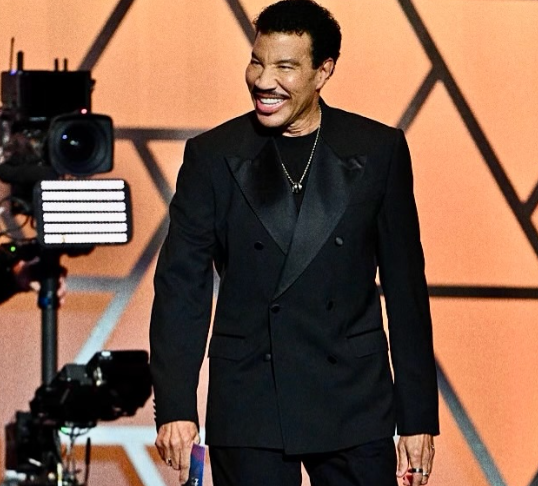
Lionel Richie isn’t bitter. He’s still the man who wants to dance on the ceiling. But his 2025/2026 reflections serve as a warning to the next generation of American Idol hopefuls. Fame isn’t just about the applause; it’s about the silence that follows.
The “Hard Truth” is that being a “people person” is easy when you’re a kid in Alabama. It’s a lot harder when you’re a legend in Los Angeles, realizing that the person saying “I love you” might just be talking to a record sleeve.
Next time you see a celebrity looking “distant” or “rude” in a viral clip, remember Lionel’s words. They might not be a “jerk.” They might just be a human being trying to find a piece of Tuskegee in a world that only sees a Star.
Ultimately, Richie’s revelation serves as a mirror for the rest of us, forcing a look at the “digital wall” we’ve built between ourselves and the icons we claim to adore.
If the architects of our cultural soundtracks… the ones who taught us how to articulate our own heartaches and joys, are beginning to feel a profound disconnect from the very public they serve, it suggests a systemic shift in how we value human presence.
It is a call to return to a more “Tuskegee-style” interaction… one rooted in boundaries, eye contact, and the recognition that behind the platinum records and the designer suits, there is a person who might just be as overwhelmed by the noise as we are.
Maybe the most “rockstar” thing any fan can do in 2026 isn’t to grab a selfie, but to offer a simple, quiet nod of respect that says, “I see the human, not just the headline.”