Movies have a long-standing tradition of showcasing vehicles that not only catch the eye but also leave us dreaming of a reality where anything is possible. From time-traveling DeLoreans to sentient cars, these iconic movie machines have sparked imaginations worldwide. But what if these vehicles actually existed in the real world? Spoiler alert: most of them couldn’t.
Let’s dive into 13 fan-favorite movie cars that could never be built, and why the engineering behind them defies everything we know about physics and practicality.
The DeLorean Time Machine – Back to the Future
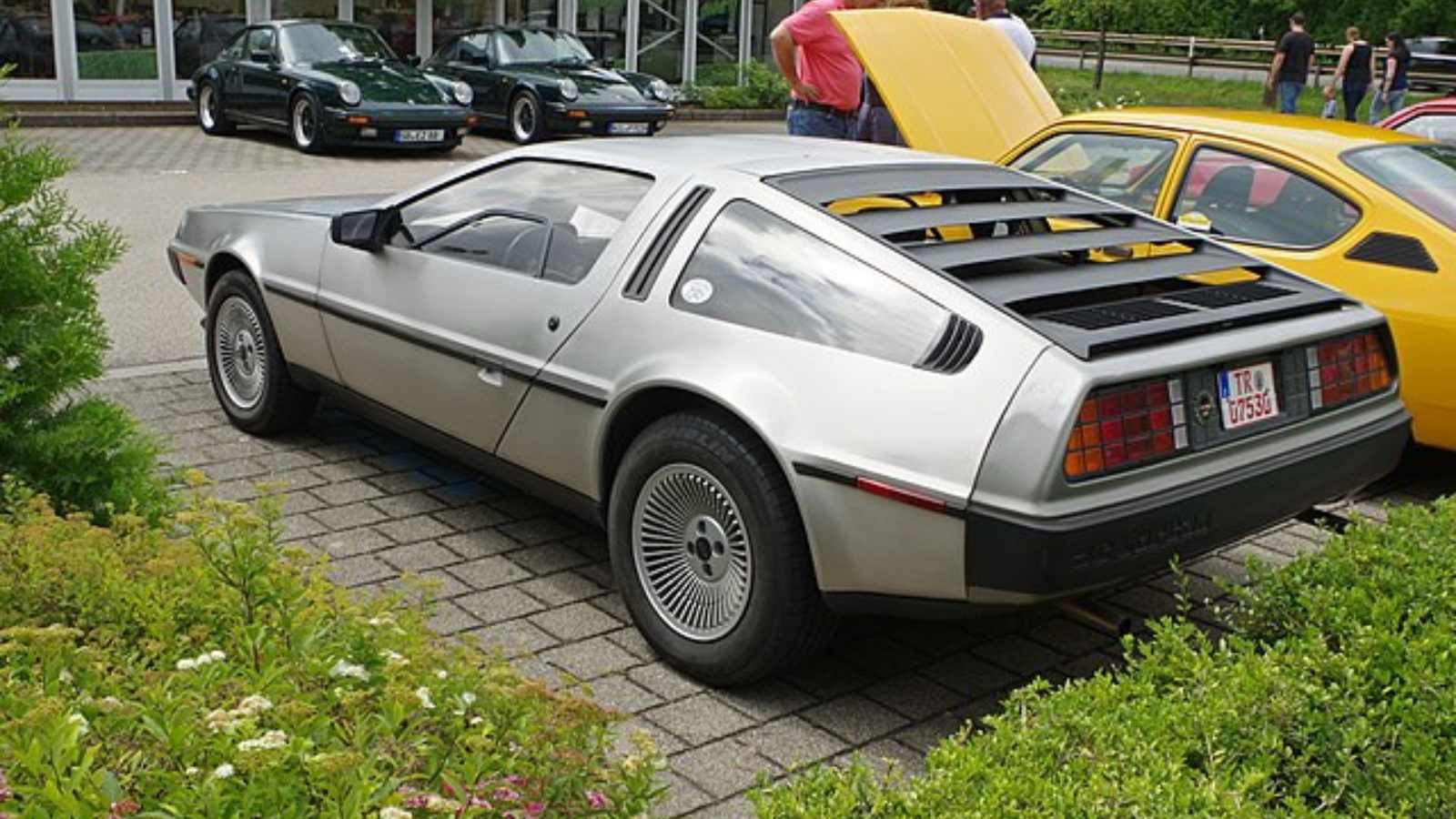
The DeLorean DMC-12 may be one of the most iconic movie cars of all time, but when it comes to time travel, it’s a mechanical and scientific impossibility. Doc Brown may have thought he was onto something with that flux capacitor and the 1.21 gigawatts of power required, but the truth is staggering.
A gigawatt of energy is enough to power 750,000 homes simultaneously, and trying to channel that amount of electricity through a car without disintegrating it (and possibly the entire town) would be catastrophic. Even hitting 88 mph in the stock DeLorean? That’s an engineering dream, not a reality.
The Mach 5 – Speed Racer
Speed Racer’s Mach 5 is built for speed and functionality, with rotary saws, auto-jacks, and even an underwater “frogger mode.” But adding all these gadgets makes the car an impossibility in reality. Weight is the first issue.
With every gadget installed, you end up with a two-ton monstrosity that wouldn’t have the power to handle the jumps, flips, and underwater escapades depicted in the film. Additionally, the physics behind launching such a heavy car into the air using “Auto-Jacks” would tear the vehicle apart on impact.
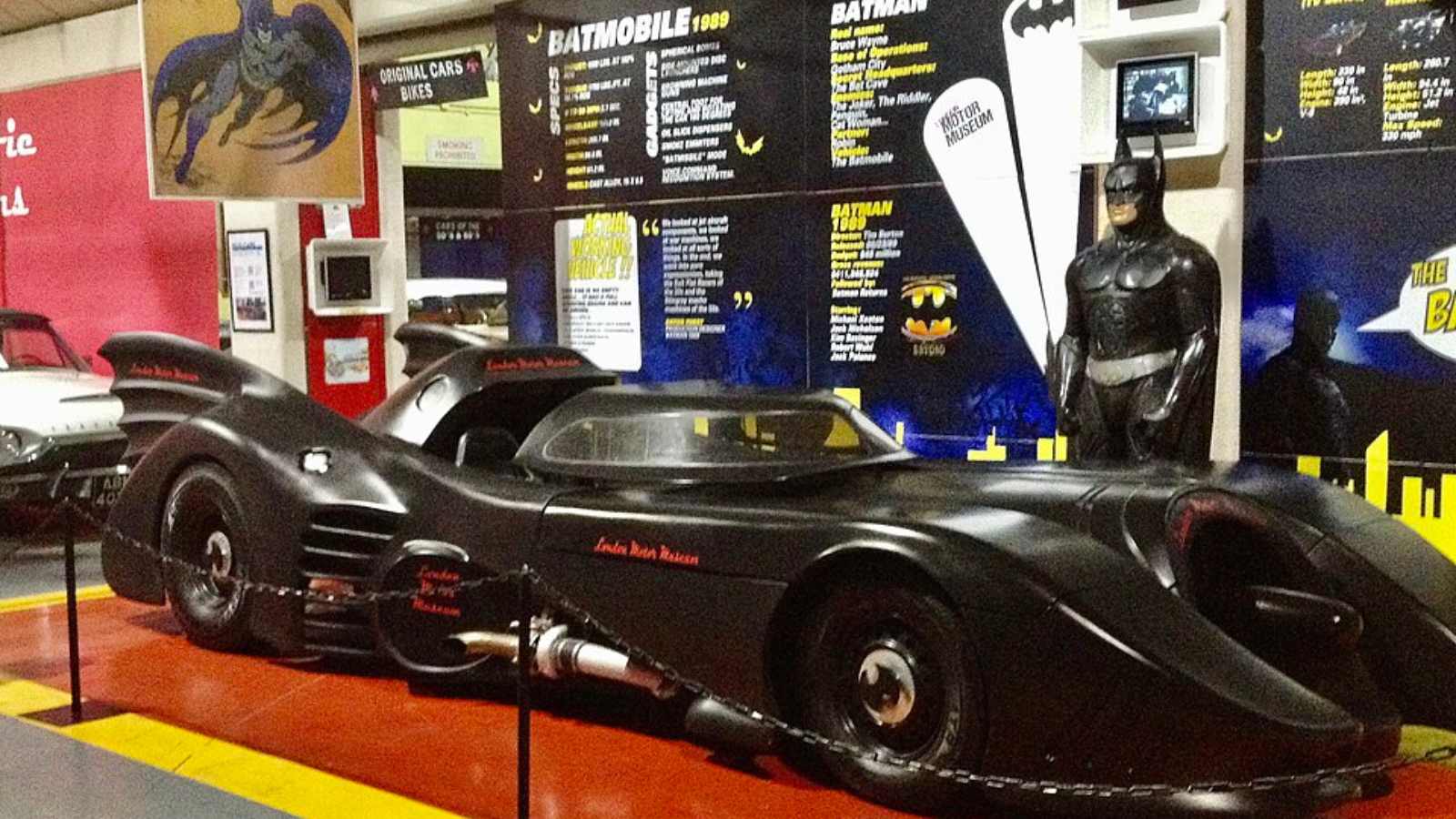
1989 Batmobile – Batman
Tim Burton’s 1989 Batmobile is as sleek and gothic as they come, but it would be a nightmare to drive in a city like Gotham. The massive vehicle is so long that it would be impossible to make sharp turns in the cramped streets.
As for the jet turbine engine? A jet engine in an urban setting is a recipe for disaster, not to mention the immense danger of jet propulsion in a tight, congested area.
The Spinner – Blade Runner
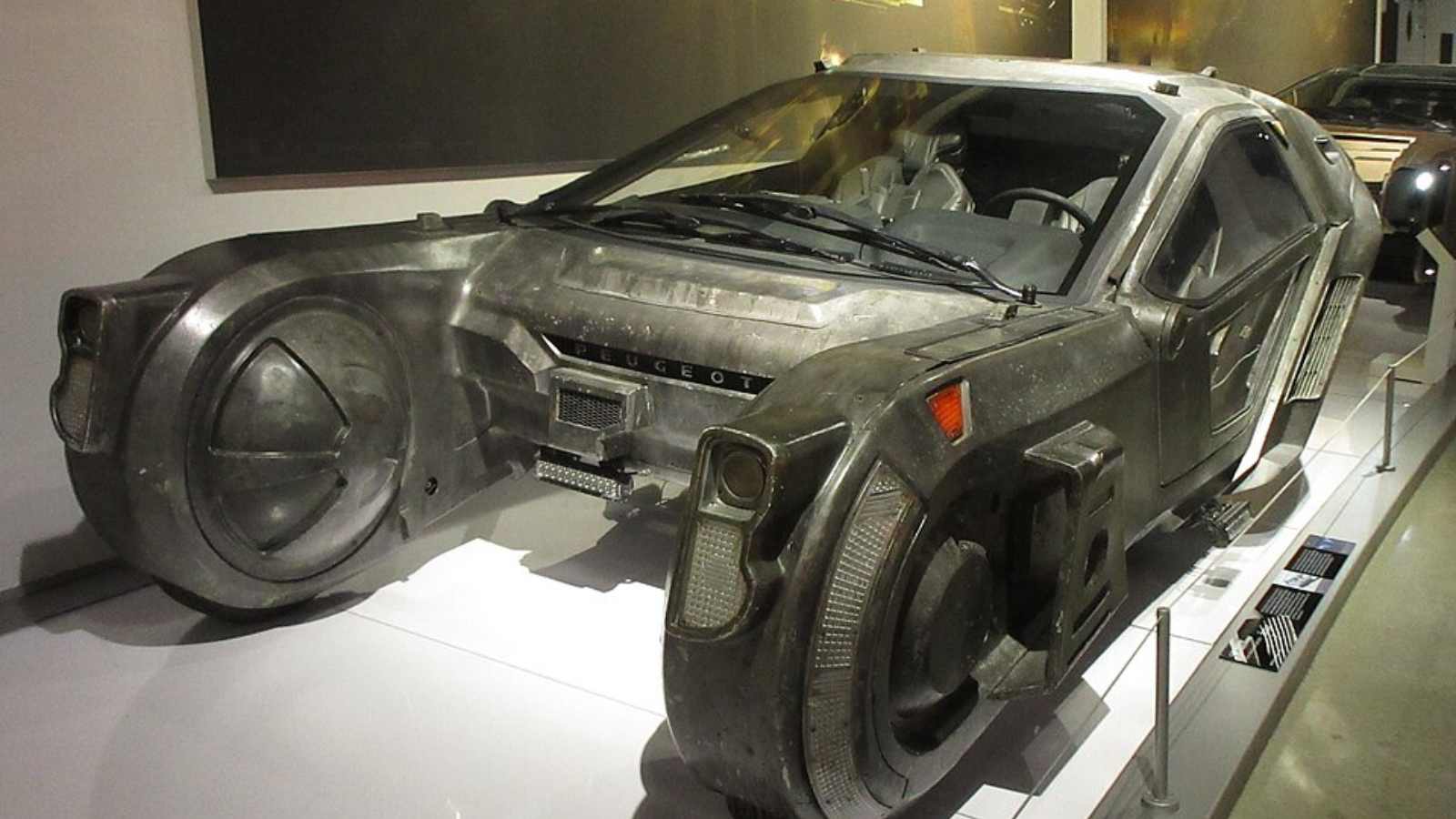
Flying cars are the epitome of futuristic technology, but the Spinner from Blade Runner is far from feasible. The car uses “aerodyne” technology, which supposedly allows it to hover. However, to lift a vehicle of that size with such a power source doesn’t align with our current understanding of propulsion.
The required thrust-to-weight ratio is simply beyond reach, and the noise generated by such technology would make for a very unpleasant flight.
Chitty Chitty Bang Bang – Chitty Chitty Bang Bang
A racing car that turns into a flying machine? Sounds magical, but it would be a disaster in real life. Chitty’s wings lack the necessary airfoil shape to generate lift. Even if the car’s old engine could somehow reach sufficient speed, those wings would either snap off or act as drag, preventing any real lift-off.
And the idea of a hovercraft mode? Not feasible given the car’s materials and design.
The V8 Interceptor – Mad Max: Fury Road
The V8 Interceptor, also known as the Pursuit Special, is the ultimate wasteland vehicle. But it faces several major issues in real life. First, let’s talk about that blower. Max can toggle it on and off with a button.
In reality, superchargers are belt-driven, meaning that toggling them on and off isn’t feasible without complex systems that would likely malfunction in a post-apocalyptic environment. Not to mention the fuel consumption would be astronomically high.
The Gigahorse – Mad Max: Fury Road
Immortan Joe’s Gigahorse is an engineering marvel in the world of cinema, with two 1959 Cadillac Coupe de Villes stacked on top of each other. While this may look cool, the physics behind it make it impractical.
The center of gravity is so high that taking sharp turns would send the entire vehicle tumbling, making it a serious hazard on the road.
K.I.T.T. – Knight Rider
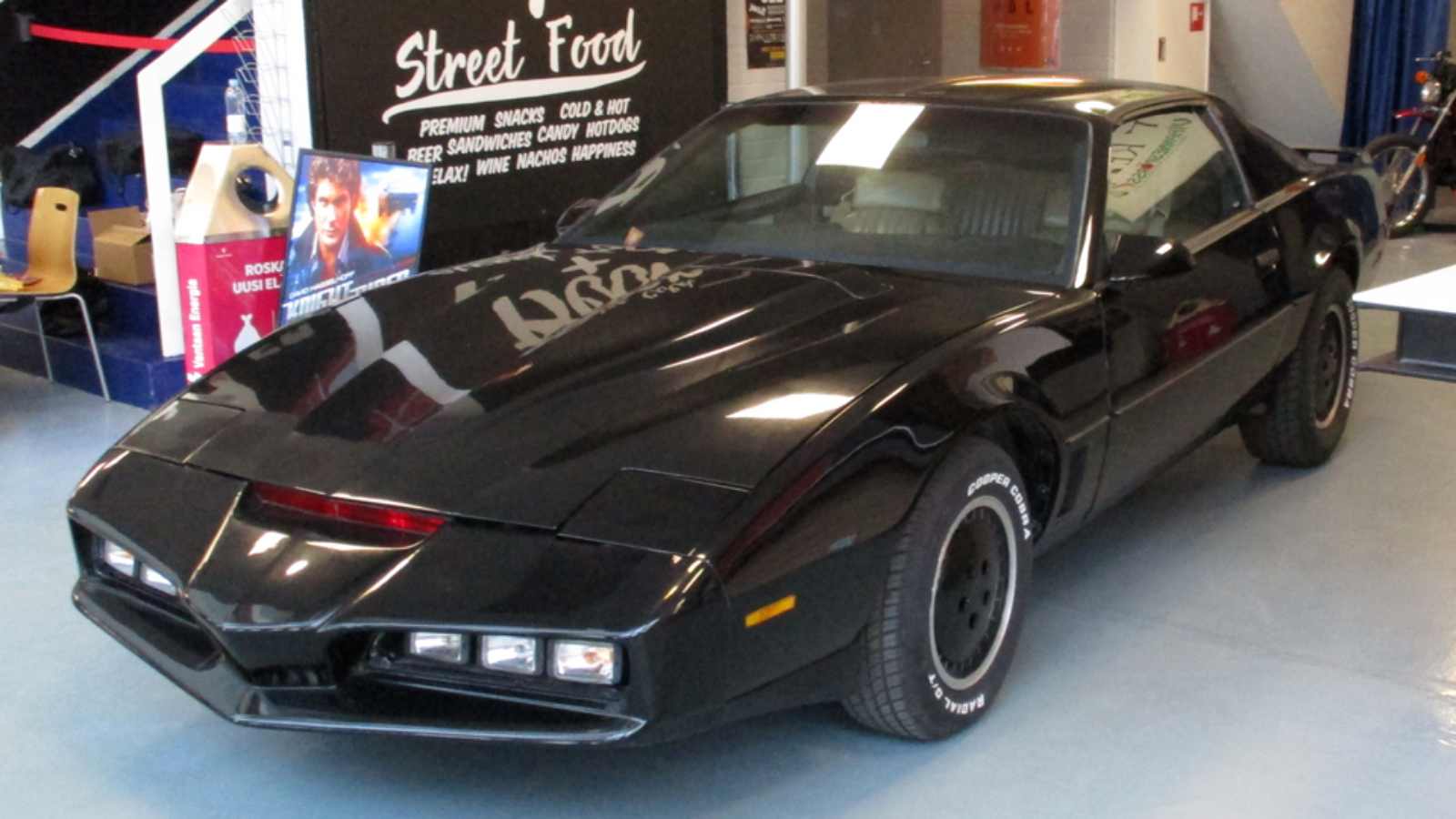
The Knight Industries Two Thousand, or K.I.T.T., is a modified Pontiac Trans Am equipped with an AI personality and capable of performing incredible stunts. However, the car’s “Molecular Bonded Shell,” which makes it indestructible, is far from realistic.
No material exists today that is completely bulletproof, fireproof, and impact-resistant while still being light enough for a car to function as K.I.T.T. does in the show.
The 6-Wheeled Rolls-Royce – Thunderbirds
Lady Penelope’s FAB 1 Rolls-Royce in Thunderbirds features six wheels, four in the front for steering. While six-wheeled cars do exist, the complexity of steering four wheels in sync while maintaining the luxury feel of a Rolls-Royce is a mechanical nightmare.
Add in the amphibious nature and bulletproof design, and you’re looking at a vehicle that would weigh as much as a tank and be nearly impossible to drive efficiently.
The Mirthmobile – Wayne’s World
The Mirthmobile in Wayne’s World is the epitome of a party car, equipped with licorice dispensers and capable of sustaining five men singing at the top of their lungs. But in reality, this car would likely overheat, the engine would malfunction, and the licorice would melt into a sticky mess.
It’s a fun concept, but one that would fall apart under the pressure of real-world engineering.
Bumblebee Camaro – Transformers
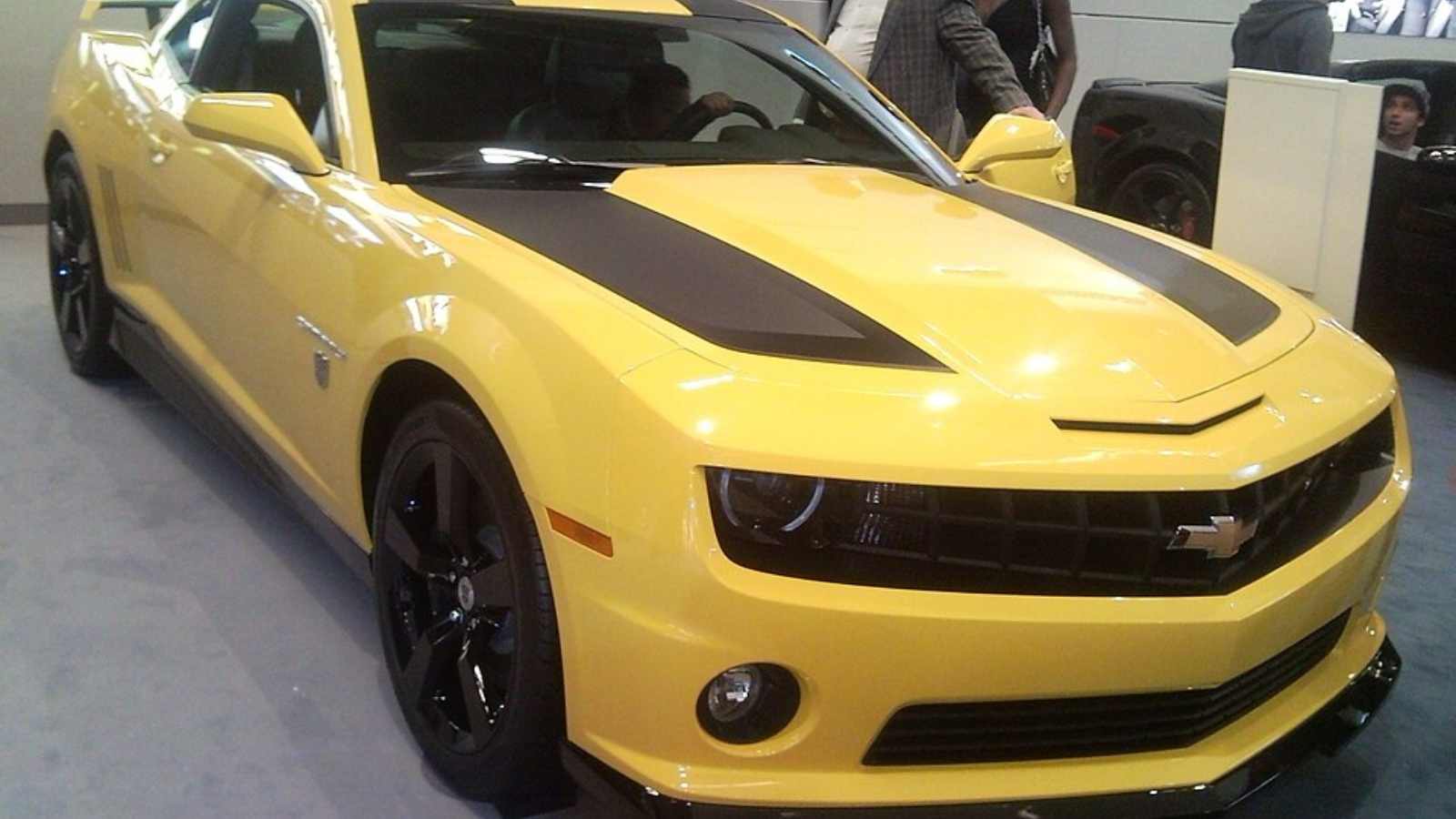
In Transformers, Bumblebee transitions from a 1970s Camaro into a massive robot. This transformation defies the Law of Conservation of Mass, as a car’s material volume isn’t nearly enough to form a 20-foot-tall robot.
Where would the seats go? What happens to the engine block? The logistics of such a transformation remain completely unanswered.
The Tumbler – The Dark Knight Trilogy
The Tumbler is a tank-Humvee hybrid that can jump without ramps, but there’s a massive flaw: it lacks a front axle. The front wheels are mounted on independent struts, which puts an enormous amount of stress on the chassis and would make it almost impossible to drive without catastrophic damage.
While it looks cool in the movie, it’s a disaster waiting to happen in reality.
The Wet Nellie – The Spy Who Loved Me
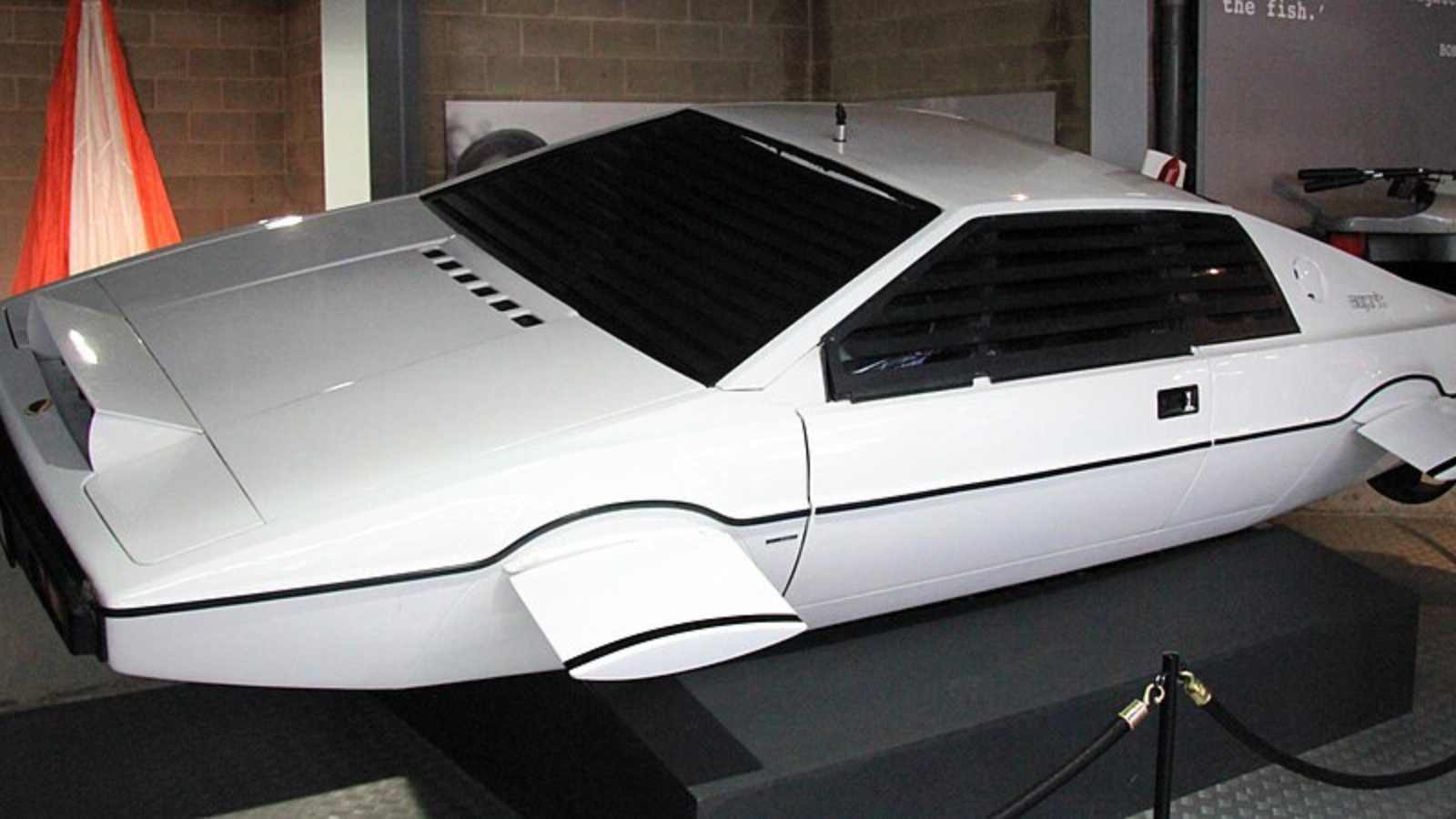
James Bond’s Lotus Esprit S1, also known as Wet Nellie, famously transforms into a submarine. In theory, this is one of the coolest gadgets in 007 history. In reality, though, cars and submarines are designed for completely different purposes.
A car is built to be lightweight and aerodynamic, while a submarine needs to withstand incredible water pressure. Combining these two functions is simply impossible with today’s technology.
Conclusion
Movie cars are the perfect blend of fantasy and engineering dreams. While they captivate our imaginations, the reality is much less glamorous. Each of these vehicles showcases the “what if” of automotive engineering, pushing the boundaries of what is possible. But in the real world, they remain just that—fantasy. So, while we may never drive a DeLorean through time or race a Mach 5 across the ocean, we can still appreciate the innovation and creativity that went into creating these unforgettable machines.