
Many legendary musicians never lived to see the full impact of their music. They left behind a legacy that, while impactful, was not fully recognized until after their passing. Some of the greatest talents in music history only became icons posthumously.
Here, we explore 15 musicians whose music rose to global fame only after their deaths.
Robert Johnson
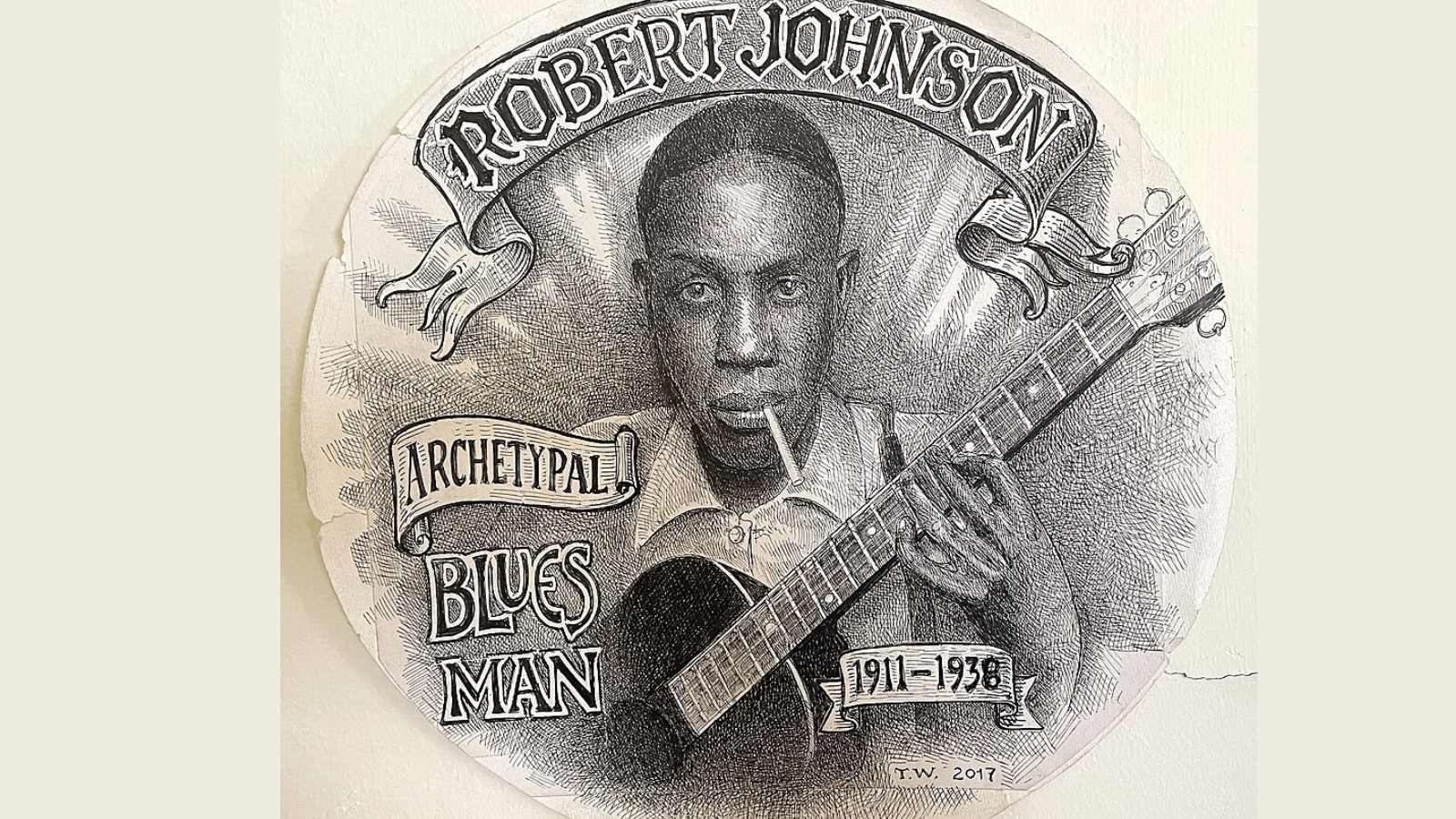
Robert Johnson’s influence on modern music is undeniable, yet his recognition came posthumously. Born in 1911, Johnson’s soulful blues guitar and captivating songwriting remained relatively unknown in his lifetime. He recorded just 29 songs before his death in 1938 under mysterious circumstances.
It wasn’t until Columbia Records released King of the Delta Blues Singers in 1961 that the world fully appreciated Johnson’s monumental impact on rock and blues.
Eva Cassidy
Eva Cassidy’s ethereal voice captivated a small circle during her lifetime, but it wasn’t until after her death in 1996 that she found worldwide recognition. Known for her unique renditions of songs like “Over the Rainbow,” Cassidy’s album Songbird became a posthumous chart-topping success, largely due to a television broadcast that introduced her talent to the masses.
Cassidy’s music continues to inspire listeners with its raw emotional depth.
Karen Dalton
Karen Dalton’s voice was one of the most captivating of her time, yet she remained largely unknown outside of folk music circles during her life. Born in 1937, Dalton released two albums in the 1960s but never achieved commercial success.
After her death in 1993, artists like Nick Cave and Devendra Banhart revived interest in her work, introducing her raw, soulful voice to new generations of fans.
Townes Van Zandt
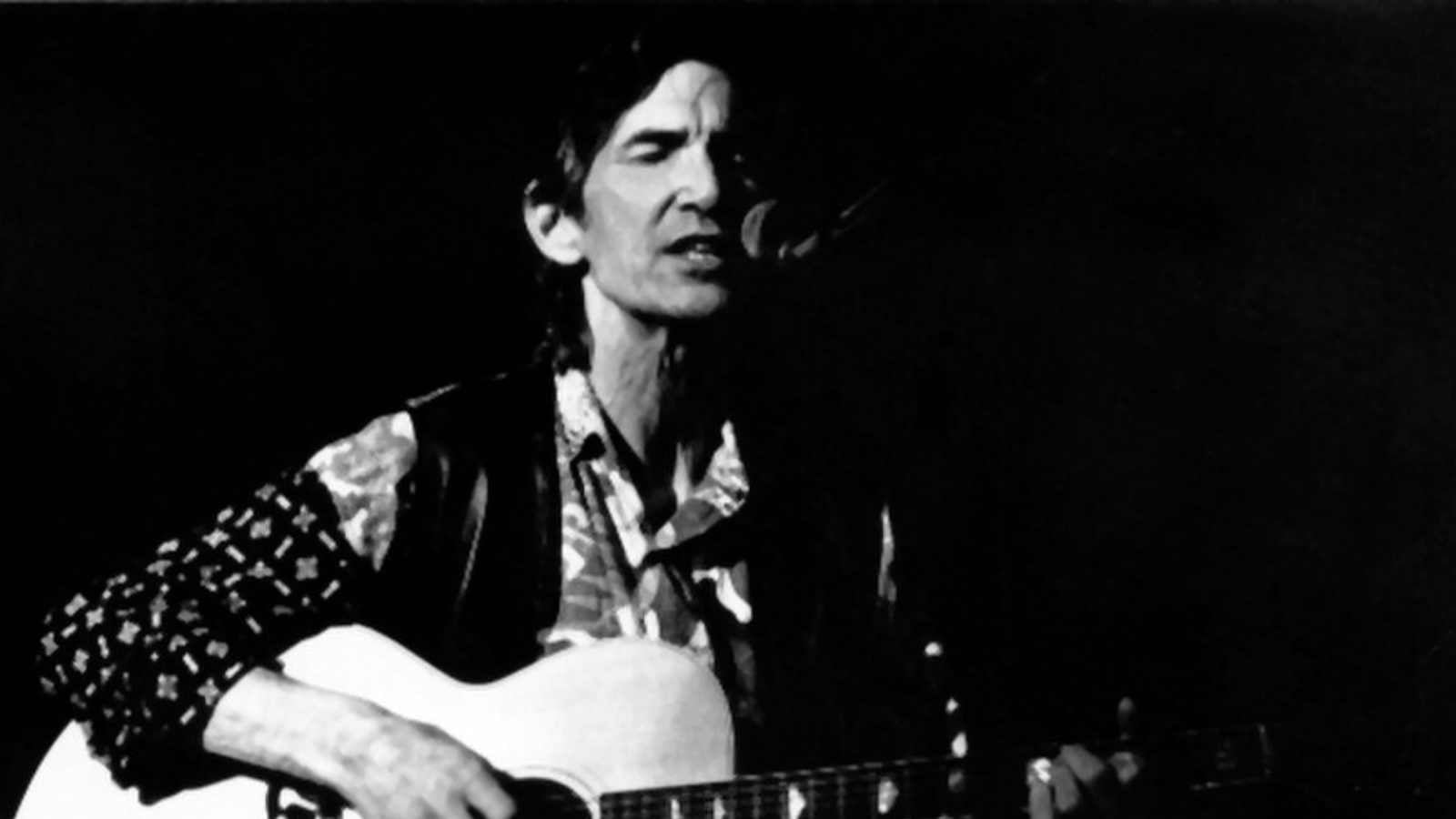
Townes Van Zandt, born in 1944, was a troubled but brilliant storyteller. Despite his deeply moving lyrics and musical prowess, Van Zandt struggled with addiction and obscurity throughout his career. After his death in 1997, other musicians, such as Willie Nelson and Emmylou Harris, helped bring attention to his genius.
Today, Townes is remembered as one of the greatest songwriters of his generation.
Arthur Russell
Arthur Russell’s genre-defying music went largely unnoticed during his lifetime. Born in 1951, he was a pioneering figure in the avant-garde music scene, blending elements of classical, pop, and dance music. Russell’s music was often ahead of its time, failing to find commercial success before his death from AIDS-related complications in 1992.
In the 2000s, a resurgence of interest in his work, including the album Another Thought, elevated Russell to cult status.
Nick Drake
Nick Drake’s haunting melodies and reflective lyrics never resonated with a wide audience during his lifetime. Born in 1948, Drake was a gifted English singer-songwriter, known for his melancholy tone and intricate guitar work. His albums, including Pink Moon, failed commercially, and his struggles with mental health led to his untimely death in 1974.
Decades later, his song “Pink Moon” found new life in films and advertisements, cementing Drake’s place as a timeless artist.
Elliott Smith
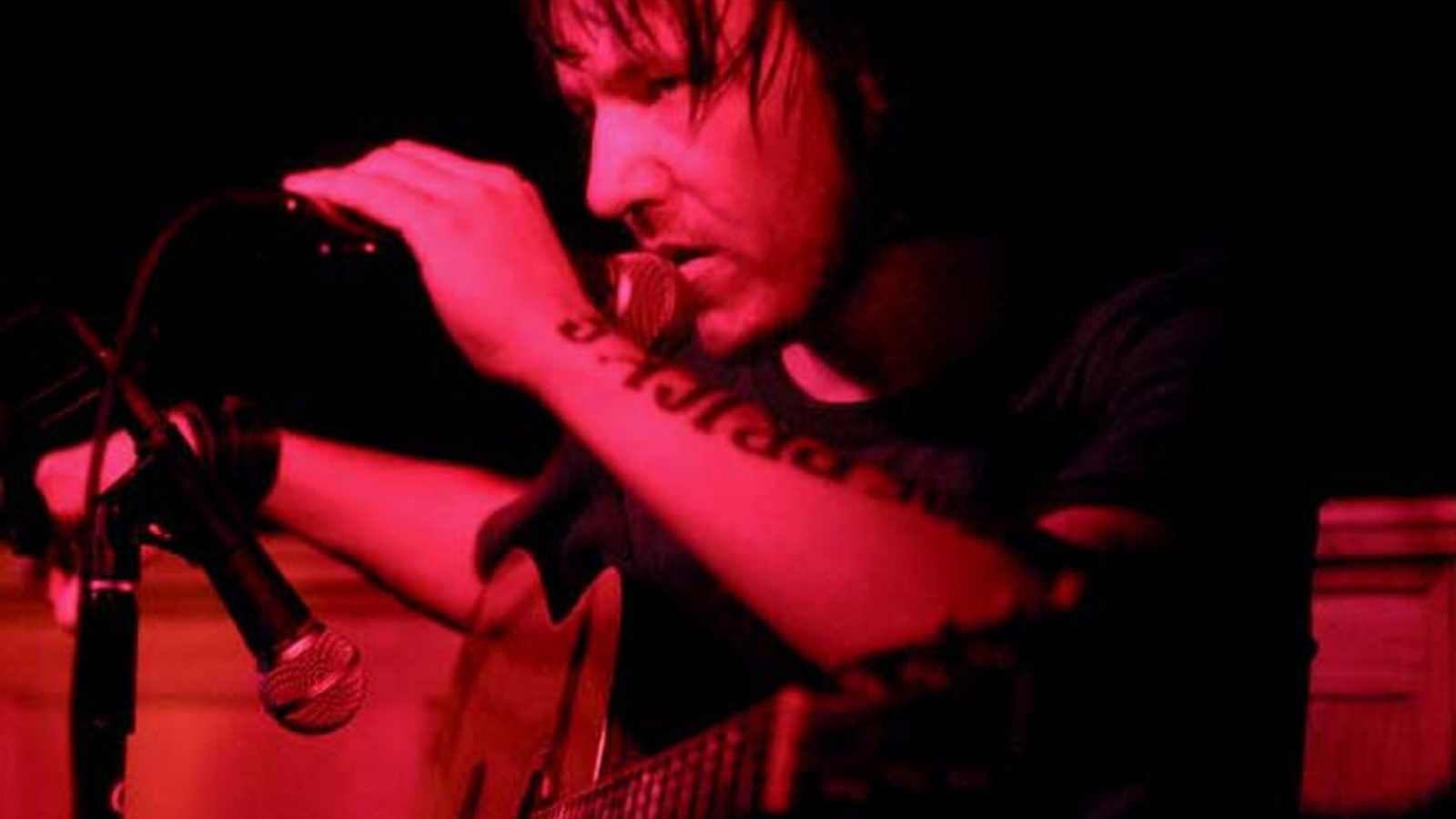
Elliott Smith’s somber, introspective songwriting struck a chord with a dedicated fanbase, but it wasn’t until after his death in 2003 that his music reached a wider audience. Smith’s fragile, haunting melodies earned him critical acclaim and an Academy Award nomination for “Miss Misery.”
After his tragic passing, his music gained even more popularity, securing his place in indie rock history.
Jeff Buckley
Jeff Buckley’s voice and songwriting were extraordinary, yet his fame was tragically short-lived. Buckley’s 1994 album Grace gained some attention, but it wasn’t until after his accidental drowning in 1997 that his music was truly recognized.
His iconic version of Leonard Cohen’s “Hallelujah” became a global hit, showcasing Buckley’s unmatched vocal ability and emotional intensity, forever cementing his legacy.
Blaze Foley
Blaze Foley’s life was one of hardship, yet his raw talent resonated with a few. Born in 1949, Foley’s deeply personal songwriting captured the hearts of those who heard it, but he never achieved widespread fame in his lifetime.
After being tragically shot and killed in 1989, artists like Merle Haggard and Lucinda Williams brought his music to a broader audience, allowing Blaze’s heartfelt lyrics to live on.
Gram Parsons
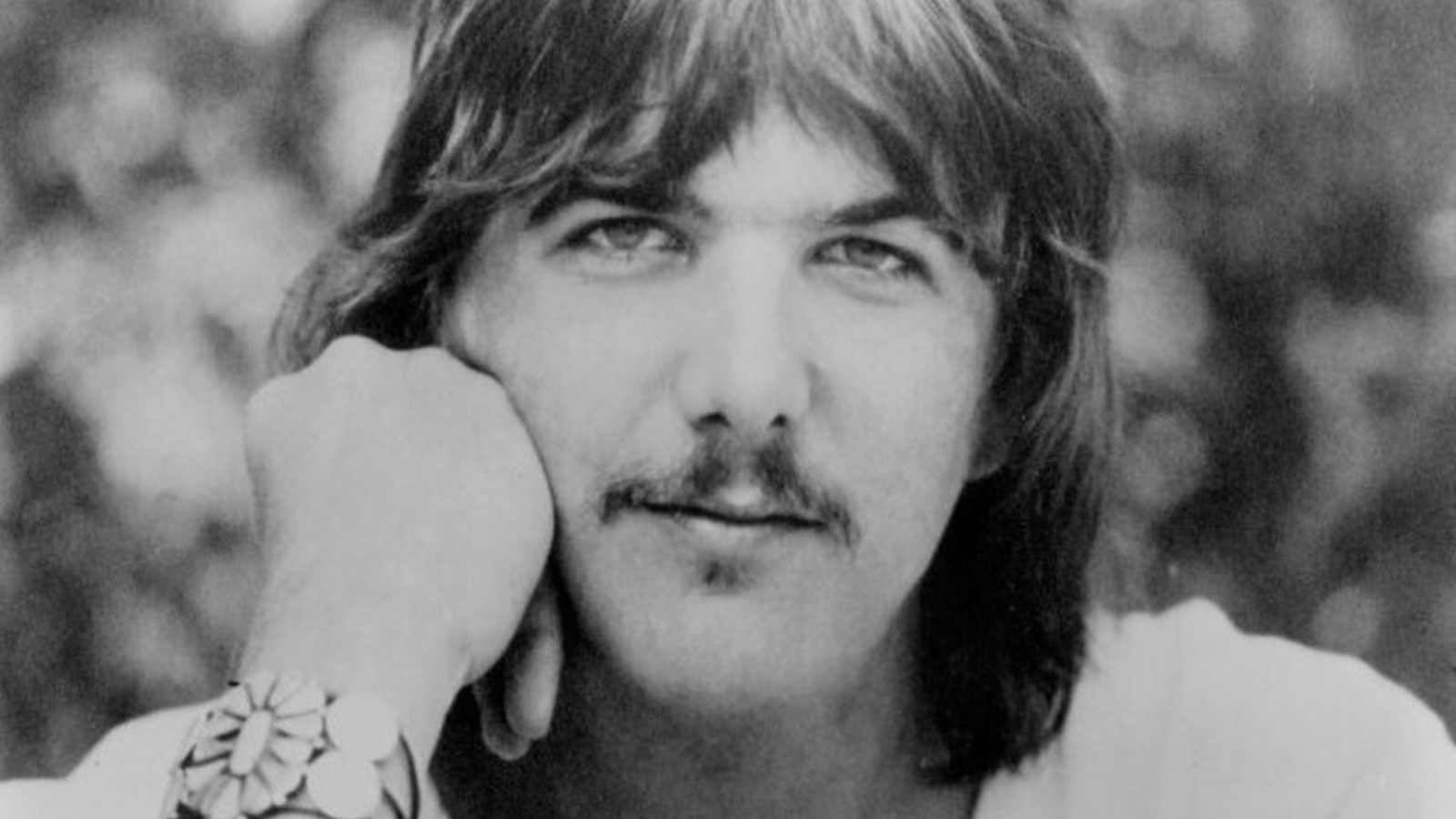
Gram Parsons was a pioneer in the country rock genre, yet his work remained underappreciated during his life. Parsons, who played with The Byrds and The Flying Burrito Brothers, blended country and rock in a way that influenced bands like The Eagles.
After his untimely death in 1973, Parsons’ legacy was revived, and his influence on country rock was finally acknowledged.
Tim Buckley
Tim Buckley’s music, which spanned folk, jazz, funk, and soul, failed to gain recognition during his life. Born in 1947, Buckley released several albums but struggled with commercial success.
After his death from a heroin overdose in 1975, his son, Jeff Buckley, brought renewed interest to his father’s catalog, and Tim’s music was later appreciated by a much wider audience.
Rodriguez (Sixto Rodriguez)
Rodriguez’s music was largely ignored in the U.S., but it had a massive following in South Africa, where his albums gained a cult following without his knowledge. Born in Detroit in 1942, Rodriguez released two 1970s albums that were commercial flops.
However, in the 1990s, he discovered that his music had become more popular in South Africa than Elvis. Rodriguez’s rediscovery after his passing made him an international sensation.
Chris Bell
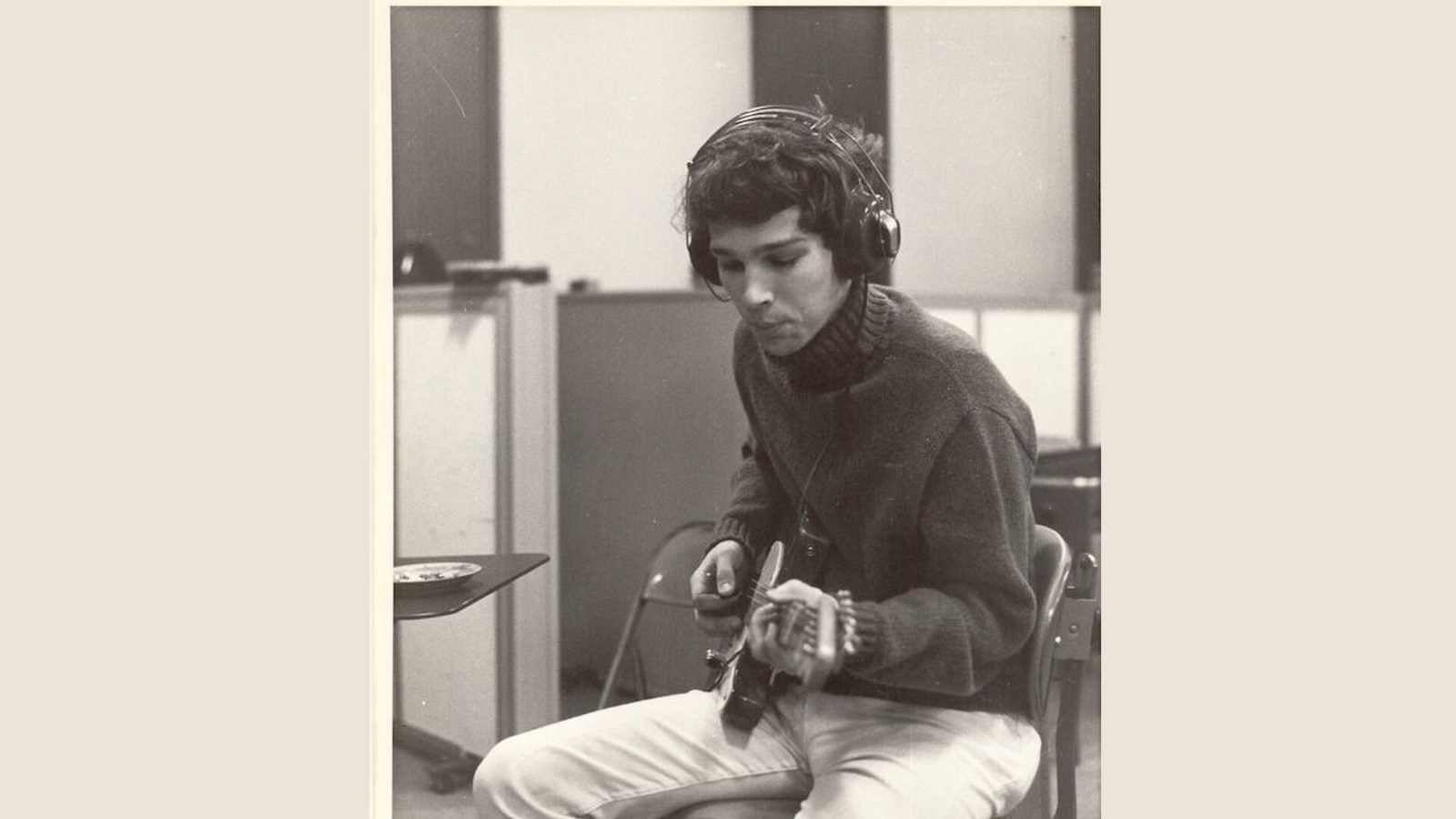
Chris Bell was a founding member of Big Star, the band that would go on to become a significant influence on the power-pop genre. Bell’s contributions to the band’s debut album were crucial, but he struggled to find commercial success. His tragic death in a car accident in 1978 prevented him from experiencing Big Star’s later success.
Today, Chris Bell is hailed as one of the most influential figures in rock music history.
Darby Crash
Darby Crash was the chaotic frontman of the punk rock band Germs. His intense, self-destructive lifestyle mirrored the raw energy of his music. Crash’s band released just one album before his death by heroin overdose in 1980 at age 22.
After his death, Germs became iconic in the punk scene, and Crash’s place in music history was solidified.
Judee Sill
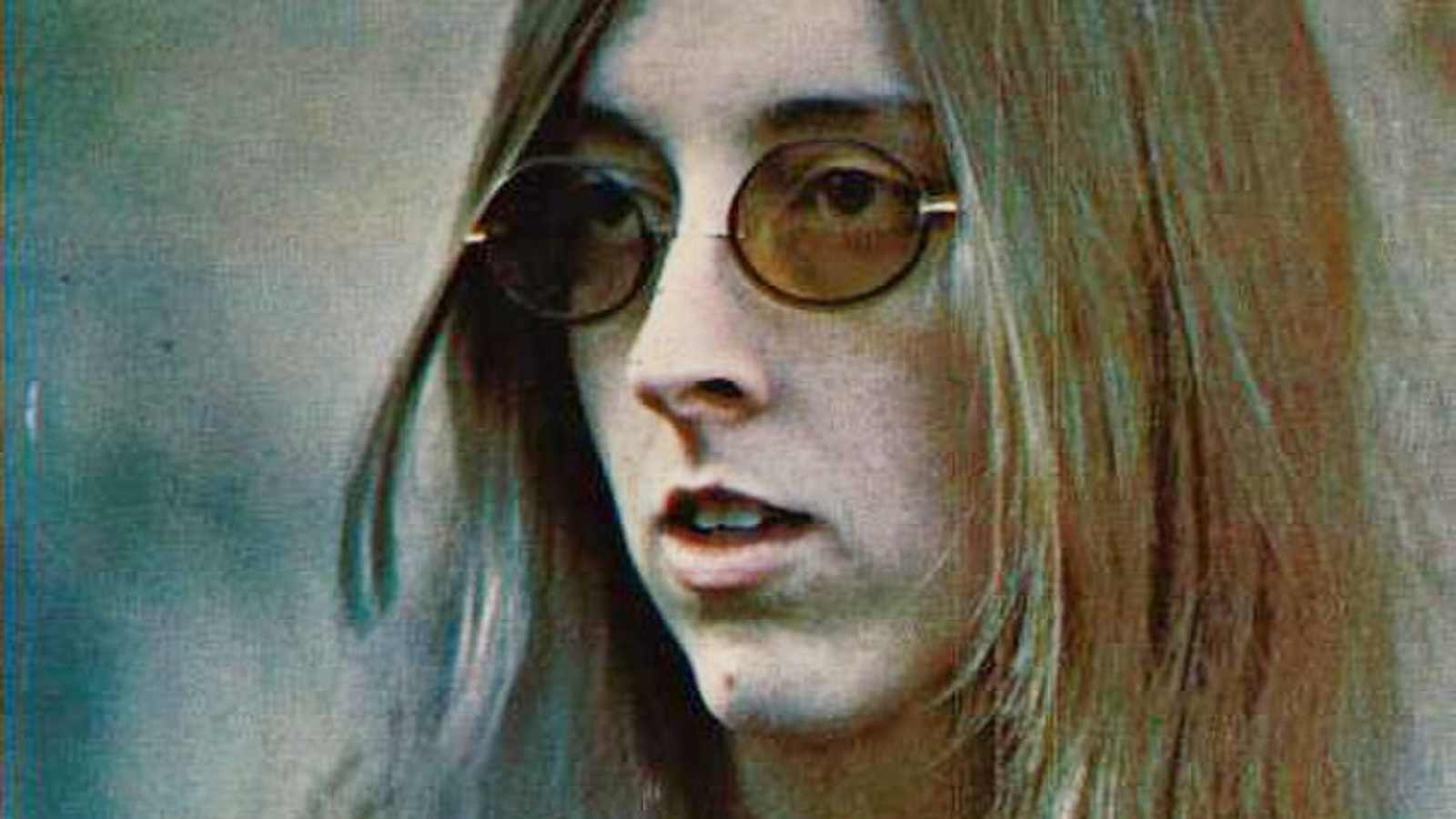
Judee Sill’s music was an avant-garde blend of folk and classical influences, but it never received the recognition it deserved during her lifetime. Signed to David Geffen’s Asylum Records, Sill’s albums failed commercially, and she struggled with personal demons.
After her death from a drug overdose in 1979, Sill’s music was rediscovered by a new generation, with bands like Fleet Foxes praising her work.
Conclusion
The stories of these musicians serve as a powerful reminder of the fleeting nature of fame and recognition. Despite their immense talents, these artists were not able to witness the widespread acclaim their work ultimately received. Their legacies, however, continue to inspire countless fans and musicians, proving that sometimes the most profound talents are those that rise to fame long after their creators are gone.