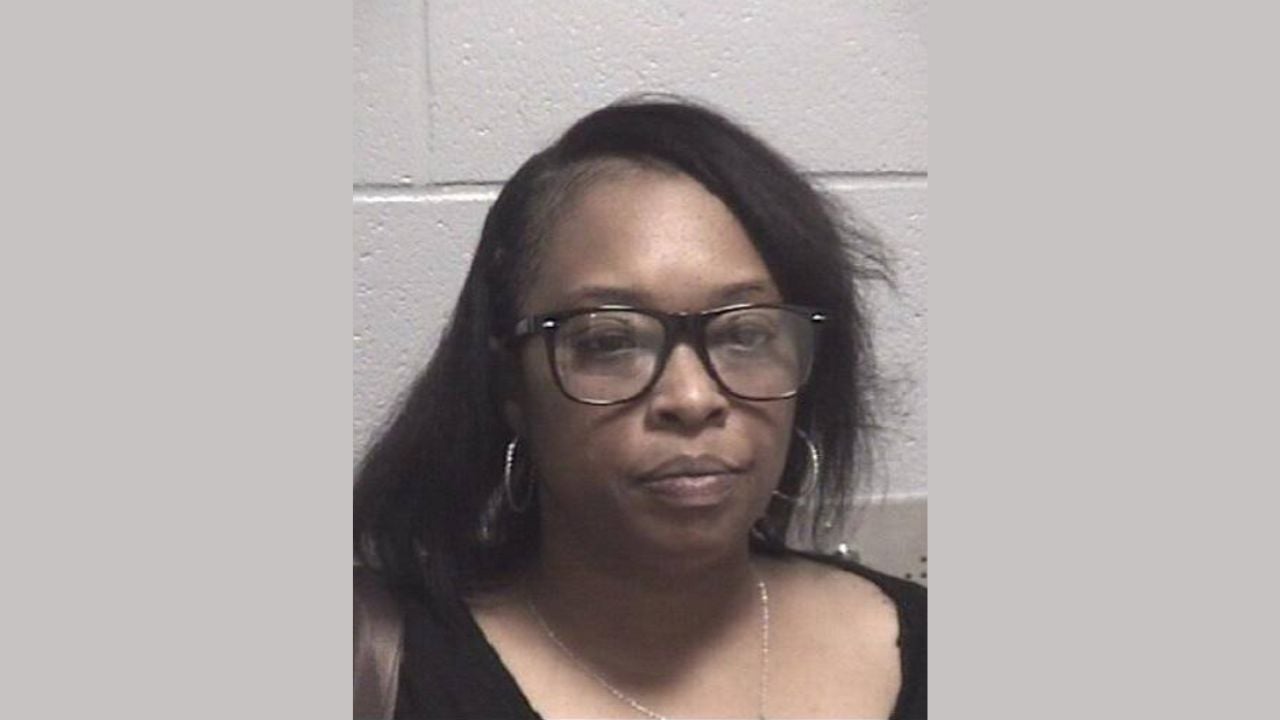
A former Illinois courthouse employee admitted obtaining $41,250 in Paycheck Protection Program loans for a remodeling company that investigators said did not exist.
Erica L. Walker pleaded guilty to two felony counts of theft of government property under an agreement that allowed her to avoid incarceration.
The court sentenced Walker to 48 months of probation, ordered her to pay $41,381 in restitution and required her to complete 100 hours of community restitution.
Two Applications Put $41,250 Into Her Bank Account
Walker received the first PPP loan on or around April 15, 2021, according to court records reviewed by Shaw Local. Fountainhead SBF LLC approved the application for $20,625 after Walker represented herself as the sole owner of a residential remodeling company in DeKalb.
Documents submitted with the application reportedly claimed that the business generated $99,000 in gross sales during 2020. Investigators later compared that claim with Walker’s personal income-tax return for the same year and found that she had not reported the purported remodeling income.
Walker received a second $20,625 PPP loan on or around May 11, 2021. Both payments, totaling $41,250, entered her bank account within less than one month.
Investigators Said the Remodeling Company Did Not Exist
The DeKalb County Sheriff’s Office investigated the loans and interviewed Walker. A police report filed in court said she admitted that the home-remodeling company used to obtain the money did not exist, according to WIFR.
PPP loans were intended to help operating businesses maintain payroll and cover certain qualifying expenses during the COVID-19 emergency. The program allowed self-employed applicants to rely on business-income documentation, but the information supplied to the lender still had to be accurate.
She Initially Faced Six Felony Charges
DeKalb County sheriff’s deputies arrested Walker on Sept. 4, 2025. She was initially charged with two counts of theft of government funds, two counts of forgery and two counts of wire fraud. She pleaded not guilty after being indicted on all six charges.
Under the later agreement, Walker pleaded guilty to the two theft counts. The remaining forgery and wire-fraud charges were not included in the final convictions described by Shaw Local. The court entered convictions and imposed a sentence under the negotiated agreement.
Her Courthouse Job Required an Outside Prosecutor and Judge
Walker had worked in the DeKalb County Circuit Clerk’s Office for more than two decades and regularly participated in courthouse proceedings as a deputy circuit clerk.
Because of that professional connection, the DeKalb County State’s Attorney’s Office requested the appointment of a special prosecutor to avoid a potential conflict of interest. The case was also assigned to a judge from outside DeKalb County.
Walker’s county employment ended Oct. 1, 2025, less than one month after her arrest. She was therefore a former courthouse employee by the time she entered the guilty pleas and received her sentence.
The Restitution Is $131 More Than the Two Loans
Walker received $41,250 through the two PPP loans, while the court ordered her to pay $41,381 in restitution. The accessible report does not explain the additional $131.
Under the final sentence, Walker will serve 48 months of probation rather than a prison term. She must also complete 100 hours of community restitution and pay the full $41,381 ordered by the court.
A PPP Loan in Someone Else’s Name Can Still Cause Problems
Other people, however, have discovered PPP loans opened through stolen personal or business information. An unfamiliar loan can create collection notices, tax complications or inaccurate business records even after the original pandemic program has ended.
The Small Business Administration’s current identity-theft process directs a person disputing a PPP loan to prepare three documents: an FTC Identity Theft Report obtained through IdentityTheft.gov, a completed SBA Form 3513, Declaration of Identity Theft, a copy of a federal- or state-issued photo identification document.
For PPP identity-theft claims, the SBA directs consumers to send those documents to PPPIDTheftInquiries@sba.gov. The lender that issued the disputed loan should also be contacted and asked for the application and supporting records. Those records may include tax documents, payroll information, funding instructions, electronic signatures, identity-verification materials and communications submitted with the application.
Suspected misuse of an SBA program that does not involve identity theft can be reported through the SBA Office of Inspector General complaint system.