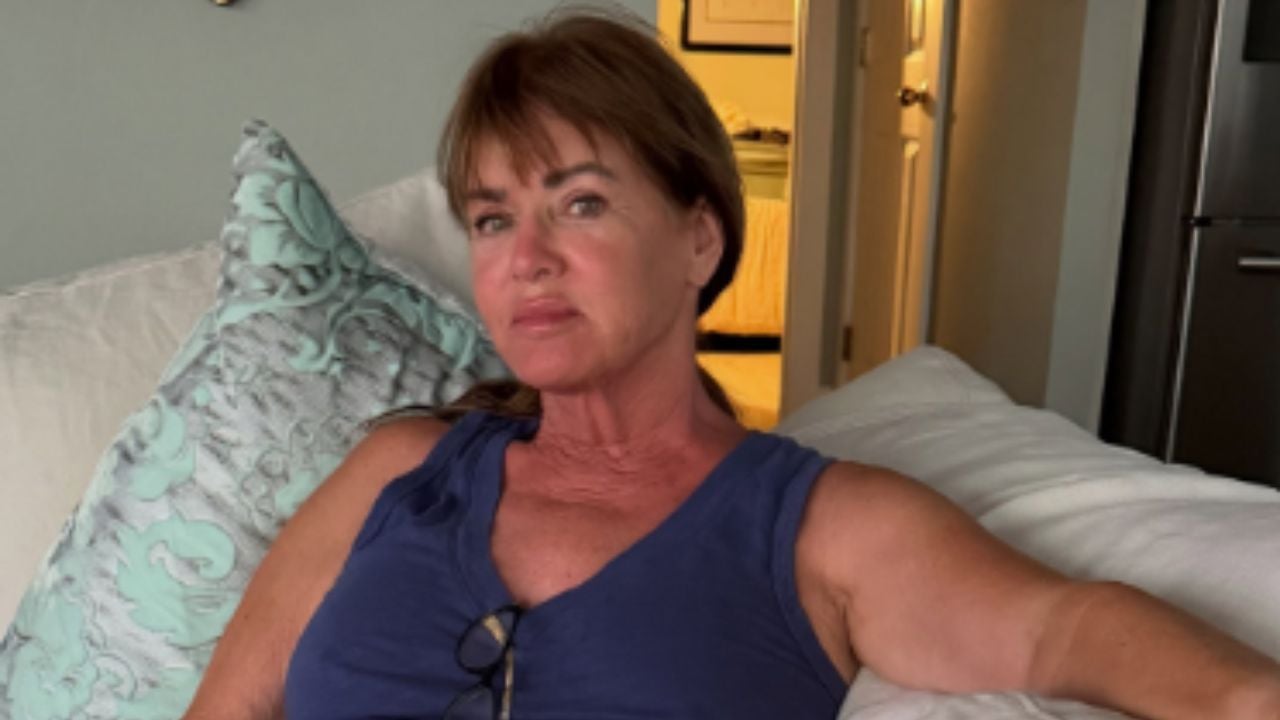
Jeana Keough is sharing how a painful tongue sore that persisted for nearly a year eventually led to a diagnosis of squamous cell carcinoma.
The former Real Housewives of Orange County cast member said her longtime dentist initially believed one of her teeth was irritating the area.
After several dental visits and encouragement from her daughter, Kara Bosworth, Keough underwent a biopsy that confirmed the sore was cancerous.
Keough, 70, has since undergone two operations followed by chemotherapy, radiation and immunotherapy. The treatment has made speaking and swallowing so painful that she now receives nutrition through a feeding tube.
The Sore Was Initially Attributed to a Tooth
Keough said she first noticed the painful area on her tongue in 2025 and visited a dentist she had trusted for years. According to her account, the dentist believed one of her teeth was digging into her tongue and filed it down during multiple appointments. Keough said a specialist and biopsy were not initially recommended.
After her third visit, she received a referral to an ear, nose and throat specialist. Keough said she declined a biopsy at that office because it would have cost nearly $3,000 and the provider did not accept her insurance. She planned to find an in-network doctor after visiting her children in Florida.
During that February trip, Keough mentioned that spicy food aggravated the sore. Bosworth questioned why a tooth her mother had lived with for decades would suddenly begin causing persistent pain. Bosworth urged her to arrange a biopsy as soon as she returned to California.
A Specialist Immediately Suspected Cancer
Keough said the next doctor who examined her recognized the possibility almost immediately. “That doctor took one look in my mouth and said, ‘That’s cancer,’” Keough told Page Six. A biopsy confirmed squamous cell carcinoma of the tongue, and surgery was scheduled to remove the affected area.
Keough and her family initially hoped the cancer had been contained. Scans later revealed what she described as a small “glimmer” near her neck that could have represented inflammation or possible spread.
Doctors recommended a second operation known as a neck dissection. Keough said surgeons removed approximately 30 to 40 lymph nodes, and her family later reported that cancer was found in the nodes.
Treatment Has Made Speaking and Swallowing Painful
View this post on Instagram
Keough’s treatment plan has included radiation five days per week, weekly chemotherapy and immunotherapy. She described intense heat, inflammation and pain affecting her mouth, tongue, throat, neck and head. The symptoms have made talking, swallowing and even breathing through her mouth extremely painful.
Her daughter previously said Keough had temporarily stopped speaking because of tongue and throat pain and the mucus caused by radiation treatment. Keough also said attempts to swallow could cause gagging and vomiting, further aggravating the raw tissue in her mouth and throat.
By the time of her latest interview, she had completed her final chemotherapy session and had only several radiation treatments remaining.
A Blood Clot and Infection Interrupted Treatment
Keough was hospitalized after becoming dehydrated and malnourished because she could no longer consume enough food or liquids. Doctors planned to place a gastrostomy tube directly into her stomach, but the procedure was delayed after they discovered a deep vein thrombosis and an infection in her leg.
Her chemotherapy and radiation were temporarily paused while doctors addressed those complications. After the blood clot was treated and the infection was evaluated, Keough underwent the feeding-tube procedure. She said caregivers now provide nutrition through the tube every three hours. Keough expects that she may need the tube for between two and six months while her mouth and throat recover.
Keough Shared the Prognosis Doctors Gave Her
View this post on Instagram
Keough said doctors gave her an estimated five-year chance of cure between 40% and 60%. That range reflects the information she received about her individual disease, its spread and her treatment.
Keough said she remains hopeful as she approaches the end of radiation, although she understands that recovery will continue long after the final treatment.
She Is Urging Others to Pursue Persistent Symptoms
Keough encouraged people to listen to their bodies and continue seeking answers when a painful or unusual symptom does not improve. “Get a good dentist, and if something doesn’t feel right, demand answers,” she said.
The American Cancer Society identifies a mouth sore that does not heal, persistent oral pain, difficulty swallowing and trouble moving the tongue among the possible signs of oral cavity or throat cancer.
Those symptoms frequently have causes unrelated to cancer. The organization advises seeing a doctor or dentist when they continue for more than a few weeks so the cause can be evaluated.