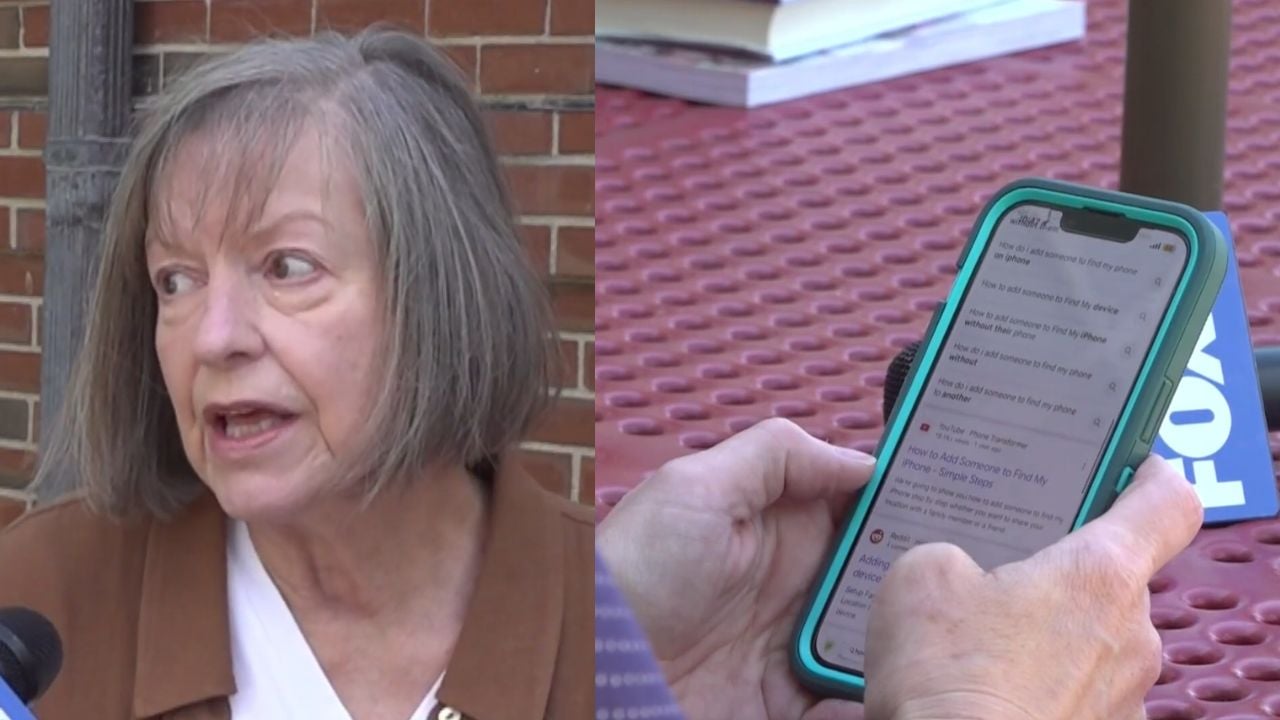
Carol Colacicco was at home when a call came in from an unknown number.
The Connecticut woman told FOX61 the caller had a fake emergency story and was trying to get thousands of dollars from her.
She stopped before sending the money.
The call is the kind Wethersfield police have been warning about: a frightened voice, a family emergency, and pressure to pay before the person on the other end has time to check whether anything is real.
The Caller Needed Her To React Before She Checked
FOX61 described the call as a fake-story scam that targeted Colacicco for thousands of dollars.
The station reported that she realized it was fake before the scammers got her money.
Wethersfield police have described a common version of the same setup: someone answers the phone and hears what sounds like a family member saying they have been arrested and need money to get out of jail.
The caller does not need the story to hold up for long. The goal is to keep the person scared long enough to get a payment started.
Police Warn The Voice May Sound Familiar
Wethersfield police warned that scammers can use artificial intelligence to mimic the voice of a loved one. That can make a fake emergency feel personal. A caller may sound like a child, grandchild, spouse, parent, or friend, then say they have been arrested, injured, stranded, detained, or threatened.
The Federal Trade Commission has issued the same warning. The agency says scammers can clone a loved one’s voice with a short audio clip taken from online posts, then use that voice in a family-emergency call. Caller ID is not enough to clear the call. A familiar voice is not enough either.
Call The Person Back On A Number You Know
The FTC tells consumers not to trust the voice alone. If someone calls claiming to be a loved one in trouble, hang up and call that person directly using a number already saved in your phone. If they do not answer, call another family member, friend, school, workplace, police department, jail, court, or hospital through a number found independently. Do not use a number the caller provides.
Families can also agree on a private code word for real emergencies. It should not be a pet name, birthday, street name, school name, sports team, or anything visible on social media.
The Payment Method Usually Gives It Away
Scammers often ask for money in ways that are fast and hard to reverse.
The FTC says family-emergency scammers may ask for wire transfers, cryptocurrency, gift cards, or card numbers and PINs. Police and courts do not call families and demand those payments to release someone from jail.
Anyone who gets one of these calls should keep the voicemail, phone number, texts, payment instructions, and any names used by the caller. Reports can be made to local police and to the FTC at ReportFraud.ftc.gov.
Colacicco did not lose the money, according to FOX61. The call still got close enough that she wanted other families to slow down before a fake emergency turns into a real loss.