A Florida woman lost $34,000 after a caller claimed to work for the Osceola County Sheriff’s Office and told her she had an active warrant for her arrest.
The woman, who is in her 50s, was convinced she needed to make immediate payments to avoid being taken into custody, according to FOX 35 Orlando.
She completed several Bitcoin transactions before realizing the supposed law enforcement demand was fraudulent.
The sheriff’s office publicized the case while warning that scammers are again impersonating deputies, police officers, and court officials across Florida.
The Caller Turned an Arrest Threat Into Bitcoin Payments
FOX 35 Orlando reported that the caller claimed to represent the Osceola County Sheriff’s Office and told the woman there was a warrant for her arrest. The threat gave the scam urgency: pay now or risk being taken into custody.
The payment method made the loss harder to stop. Officials said the woman was convinced to make several Bitcoin transactions totaling $34,000, turning a fake warrant call into a completed cryptocurrency theft.
Spoofed Numbers Can Make the Call Look Official
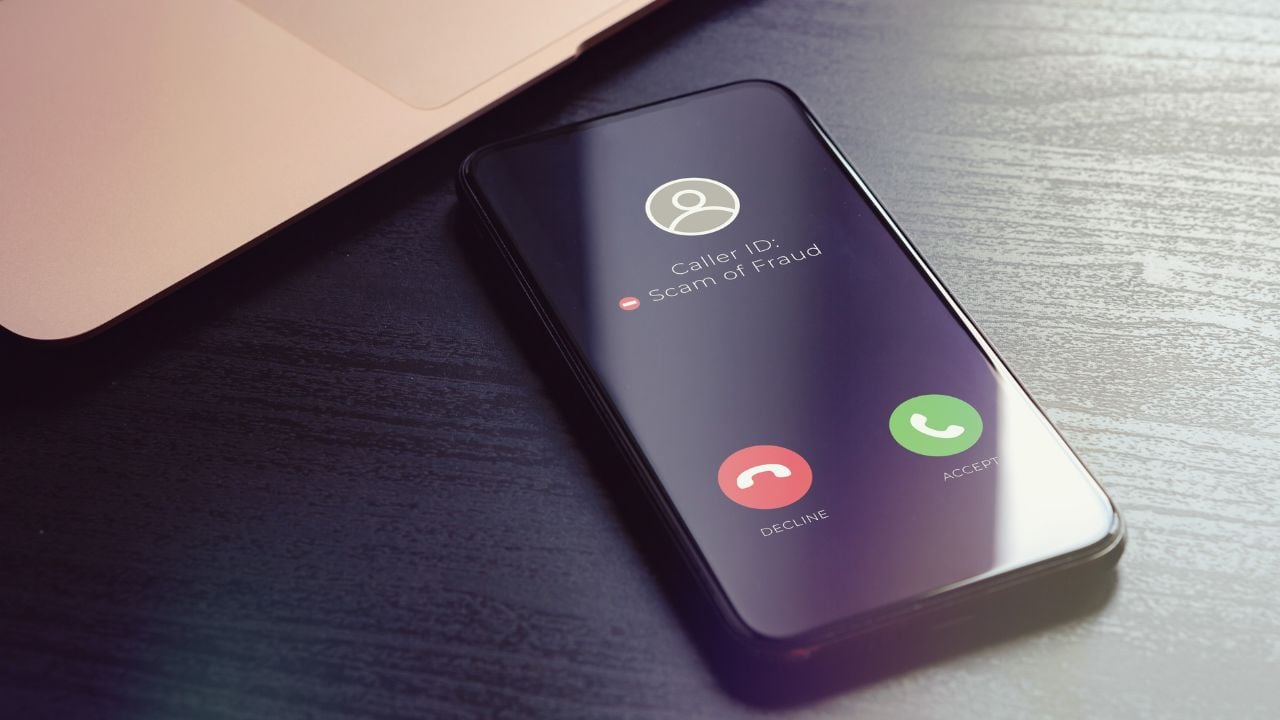
Osceola and Sumter county sheriff’s offices warned that these scams may use spoofed numbers that appear to come from a real law enforcement agency. The caller may claim to be a deputy, police officer, sheriff’s office employee, or court official, then say the target missed jury duty, missed a court date, or has an active warrant.
That caller ID detail can make the demand feel legitimate, especially when the person on the phone uses official-sounding titles or says payment must happen immediately. FOX 35 reported that Florida authorities are warning residents not to trust a phone number just because it appears connected to an agency.
Law Enforcement Does Not Collect Warrant Payments by Phone
Both sheriff’s offices said law enforcement will not call someone to discuss an arrest warrant, threaten arrest, or demand payment over the phone, according to FOX 35 Orlando.
The Federal Trade Commission gives the same warning: real law enforcement officers do not call to say someone will be arrested or insist that fines be paid by cash, gift cards, cryptocurrency, payment apps, or wire transfers.
Anyone who receives that kind of call should hang up and contact the agency directly using a number found on an official website. A person should not call back the number from caller ID, a voicemail, a text message, or instructions given by the caller.
What To Do After a Fake Warrant Call
Someone who has already sent Bitcoin should contact the cryptocurrency platform, wallet provider, or Bitcoin ATM operator immediately and ask whether the transaction can be flagged. They should also call their bank if any linked card, debit account, or transfer was used to buy the cryptocurrency.
Victims should save call logs, voicemails, texts, wallet addresses, QR codes, transaction hashes, Bitcoin ATM receipts, screenshots, bank records, and any names, badge numbers, or agency titles the caller used.
Fake warrant and law-enforcement impersonation scams can be reported to the sheriff’s office or police department being impersonated, local law enforcement, the FTC at ReportFraud.ftc.gov, and the FBI’s Internet Crime Complaint Center at IC3.gov.