Merdine James was looking toward retirement. Her husband, Fritz, was living with dementia. They had one year left on their mortgage.
Then a sweepstakes scam took more than $141,000, their car, their house, and the income Merdine earned as a hospice caregiver working out of their Martin County home.
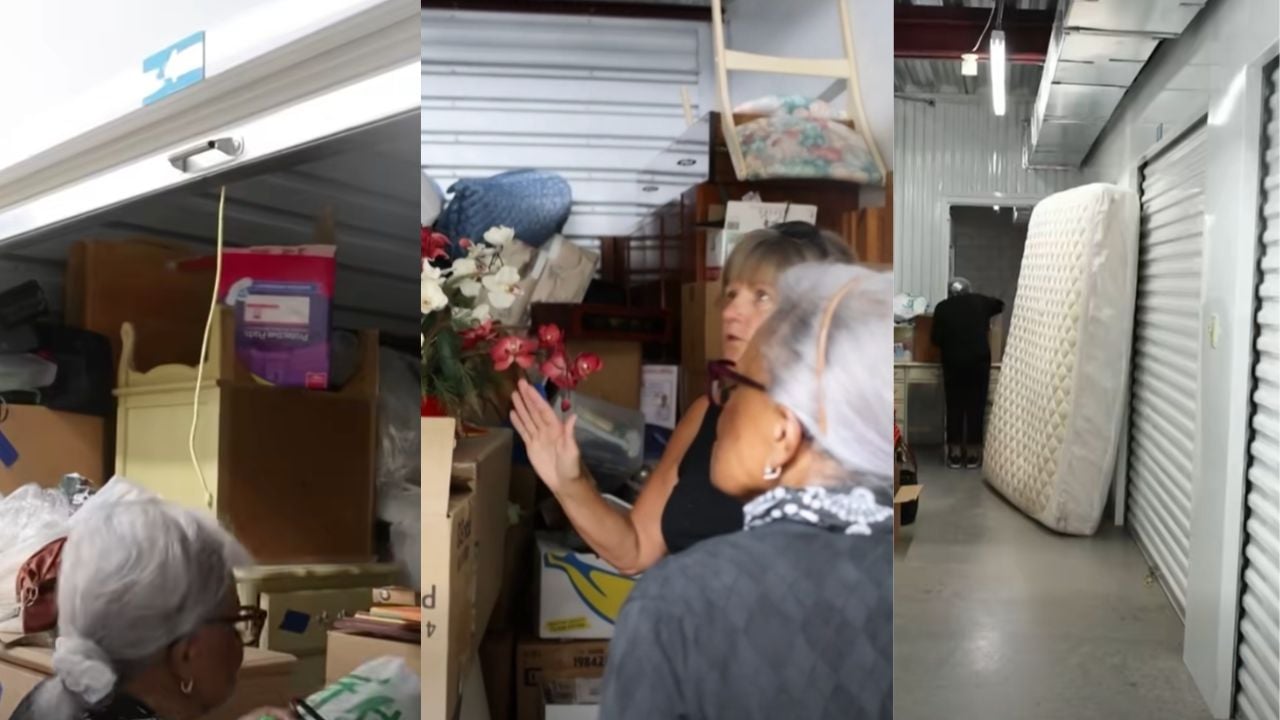
TCPalm identified the couple as Merdine James, 74, and Fritz James, 87, who were pushed into homelessness in July 2025 after a yearslong sweepstakes scam. The outlet’s photo gallery shows Merdine looking through what was left of their belongings in a storage unit on May 8, 2026.
The scam did not end with one payment. Bags of wire-transfer receipts dated from 2023 to 2026, according to TCPalm, and one photo showed a stack of Amazon gift cards Merdine sent to a woman who claimed to represent Publishers Clearing House.
The Caller Said They Had Won $4 Million, Two Cars, And A Truck
The call came in March 2023, TCPalm reported. A woman identifying herself as Susan Smith with Publishers Clearing House told the couple they had won a sweepstakes worth $4 million, two cars, and a truck.
The prize came with conditions. The caller wanted the couple to pay upfront “taxes” and fees before they could receive the winnings, and they were told to keep the matter confidential.
The Receipts Kept Piling Up

TCPalm’s photos show bags of wire-transfer receipts dating from 2023 to 2026. Another image shows Amazon gift cards that Merdine sent as part of the scam.
The repeated payments cost the couple more than $141,000. The money did not just come out of extra savings. TCPalm reported that the ordeal cost them their house and car.
The Jameses had only one year left on their mortgage when they lost the home. Merdine had also been working as a hospice caregiver out of that home, so the foreclosure took away both their housing and her primary source of income.
Merdine Returned To The Home She Lost
One TCPalm photo shows Merdine looking at the home she lost after the scam. Another shows her at a Martin County storage unit, searching for important life insurance policy documents among what remained of the couple’s belongings.
Other photos show pieces of the life they had before the scam reached that point: an old photo of Fritz, a bedroom set he made, family keepsakes, and an old photo of Merdine from when she worked as a hospice caregiver.
By May 2026, those items were no longer inside the home they had been paying off. They were inside Stor A Way II, where Merdine was trying to find documents and hold onto family records after months of upheaval.
A Church Outreach Worker Helped Sort Through The Aftermath
TCPalm identified Kirstin Mikalauskas, an outreach worker with St. Mary’s Episcopal Church, as one of the people helping the couple after the scam pushed them into homelessness.
Mikalauskas first met the couple on Feb. 11, when they came to St. Mary’s seeking help paying for a hotel. She later helped sort through their paperwork, paid for hotel stays, paid the backpay for their storage unit through March, and helped place them in a temporary emergency assisted living facility in Port St. Lucie.
She also stored some paperwork and family keepsakes for the couple at her own home. One TCPalm photo shows Mikalauskas and Merdine loading family keepsakes into her vehicle at the storage unit. Another shows a police report Mikalauskas filed in an effort to stop the yearslong scam.
The Payment Request Was The Part That Made The Prize Fake
The Federal Trade Commission says real prizes are free. If someone says a winner has to pay taxes, shipping, handling, processing fees, or customs duties before receiving a prize, the agency says it is a scam.
The U.S. Postal Inspection Service also warns that free-prize scams often use pressure and demand money for shipping, handling, processing, or similar fees. In the Jameses’ case, TCPalm reported that payments included wire transfers and Amazon gift cards.
Families who see an older relative sending repeated wires, buying stacks of gift cards, keeping a prize secret, or saving receipts tied to a supposed sweepstakes should step in before the next payment leaves. The National Elder Fraud Hotline can be reached at 833-FRAUD-11, or 833-372-8311.
People who already sent money should keep the receipts, gift-card numbers, wire-transfer records, envelopes, phone numbers, voicemails, text messages, and any names used by the caller. Reports can be filed with local police and the FTC at ReportFraud.ftc.gov.