A Florida homeowner thought she was wiring money to a construction company doing work on her home. Police say the invoice and wiring instructions came from an email address and domain that were only slightly different from the real company’s information.
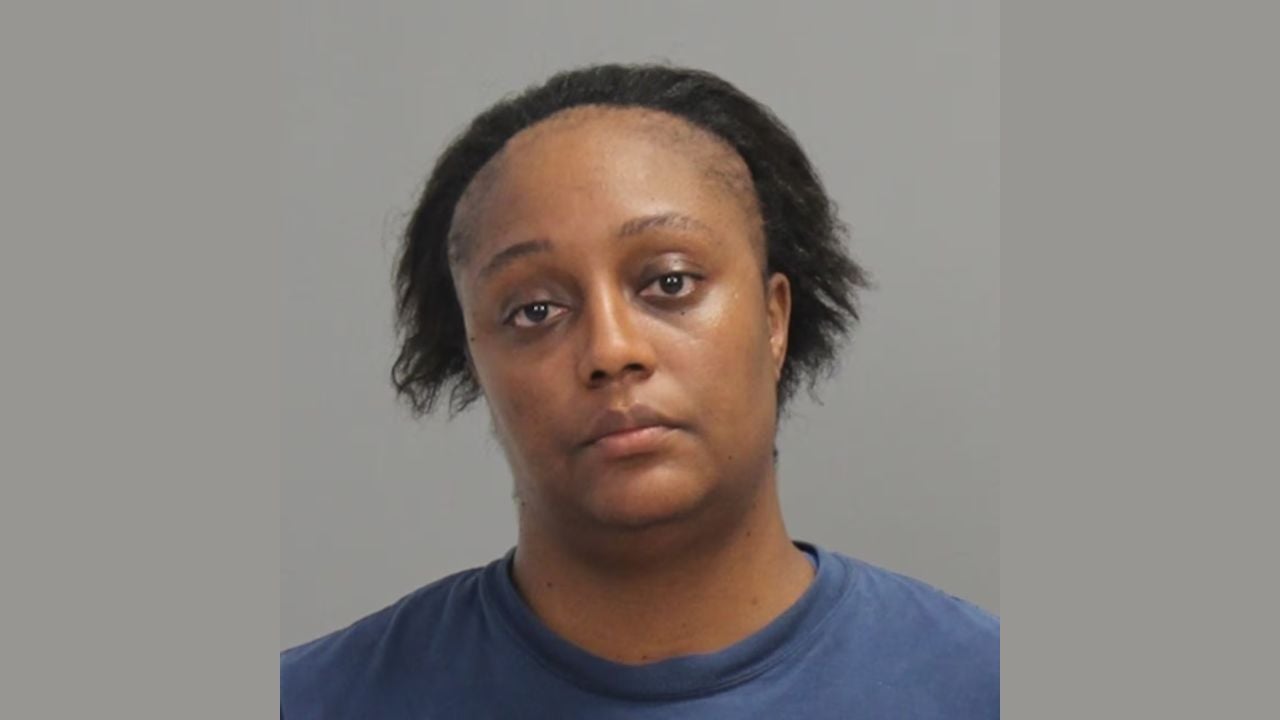
KBTX reported that 35-year-old Lateisha Clark of College Station, Texas, was released from jail on a $15,000 bond after being accused in a construction-related email fraud scheme.
According to a probable cause statement cited by the station, the investigation began in 2025 after the Florida woman reported that she had been tricked into wiring money to what she believed was the construction company handling work on her home.
On July 16, 2025, the victim wired $50,038.27 to the account listed on the invoice, police said. Investigators later connected the account to Clark, according to the arrest report.
Police Say The Fake Email Looked Like The Real Company
KBTX reported that the victim received an invoice and wiring instructions from an email address and domain that were slight variations of the legitimate construction company’s email and website.
The message arrived during an actual construction project, when a payment request would not have seemed unusual. Police said the victim sent the money to the account listed on the invoice.
Investigators involving law enforcement in Florida and College Station police later linked the account to Clark, according to the arrest report summarized by KBTX.
Clark has not been convicted. The charge remains an accusation.
Police Say Multiple Accounts Were Created
Police said Clark created multiple fraudulent accounts to receive and distribute the wired funds in an attempt to avoid detection, according to KBTX.
The station reported that Clark was released from jail on a $15,000 bond.
The case involves a payment method that can move money quickly. Once a wire transfer is sent to the wrong account, the victim may have only a short window to contact the bank and try to stop or recall the transfer.
The FBI Calls This Business Email Compromise
The FBI describes business email compromise as one of the most financially damaging online crimes. In these scams, criminals send an email that appears to come from a known source making a legitimate request.
The FBI’s examples include a vendor sending an invoice with changed payment details and a homebuyer receiving wiring instructions that appear to come from a title company. The messages look real, but the payment instructions have been manipulated.
The FBI also warns that scammers may spoof an email account or website by using slight variations on legitimate addresses. That matches the detail in the College Station case, where police said the victim received an invoice from an email address and domain that were only slightly different from the real company’s information.
The FBI’s Internet Crime Complaint Center says business email compromise targets businesses and individuals who are transferring funds. IC3 advises victims to contact the originating financial institution as soon as fraud is recognized and ask for a recall or reversal.
Construction Payments Should Be Verified Before A Wire Is Sent
Before wiring money for home construction, renovation work, repairs, closing costs, or materials, homeowners should compare the full email address and domain with earlier legitimate messages from the company.
Any new wiring instruction, changed bank account, sudden urgency, different email domain, or request to send money to a person instead of the company should be verified through a separate channel.
The safest check is a phone call to the contractor, builder, title company, or project manager using a number from the original contract, official website, or prior trusted paperwork. Homeowners should not use the phone number inside the new payment email until it is verified.
The Federal Trade Commission says money sent by wire is usually difficult to recover. Anyone who wires money after receiving suspicious payment instructions should call the bank’s fraud department immediately, request a recall or reversal, preserve the emails and invoices, report the case to local police, and file a complaint with the FBI’s Internet Crime Complaint Center at IC3.gov.