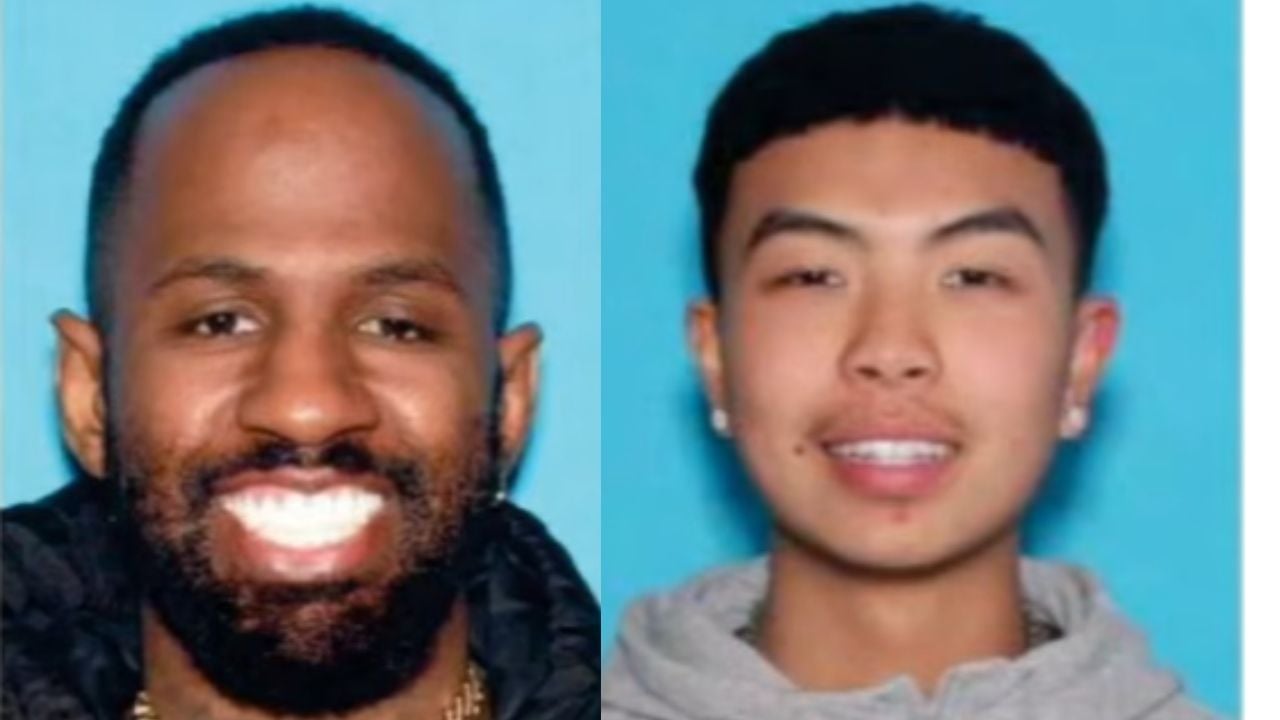
A man who portrayed himself as a San Francisco 49ers player on dating apps is accused of turning romantic relationships with women into a $1.3 million investment fraud operation.
Federal prosecutors say Daejon Labrayae Love, 35, presented himself as wealthy, surrounded himself with luxury cars and 49ers gear and convinced women that he wanted to build a financial future with them. He also allegedly posed as a successful real estate investor.
Then 18-year-old Taylor Jamie Chan allegedly entered the picture as Love’s financial adviser. Investigators say the pair used fictitious investments, fabricated account balances and false displays of investment gains to persuade women to send money, with some victims even taking out personal loans.
Financial records show Love and Chan received approximately $1.3 million from 26 identified victims in Oregon, Washington, Idaho and California, according to the U.S. Attorney’s Office for the District of Oregon. The FBI believes there are additional victims who have not yet been identified.
He Met Women on Dating Apps and Told Them He Played for the 49ers
A man accused of posing as a San Francisco 49ers player and a wealthy real estate investor is facing federal wire fraud charges after investigators say he and an alleged accomplice defrauded more than two dozen women out of about $1.3 million across four states.…
— 7News DC (@7NewsDC) August 28, 2026
The alleged scheme began as early as February 2022 and relied heavily on relationships Love developed online. According to the federal complaint, Love met most of the women through dating apps. SFGATE reported that investigators specifically identified Facebook Dating, Bumble and Tinder.
Love allegedly created fictitious personas and displayed an expensive lifestyle online and in person. He commonly represented himself as an NFL player for the San Francisco 49ers or as a wealthy real estate investor, while photos and videos showed him in team gear and around luxury vehicles.
Many of the women believed they were in genuine romantic relationships with him. Prosecutors say Love told them he wanted to build wealth and a future together before introducing investment opportunities that investigators say did not exist.
The “Financial Adviser” and Fake Banking Apps Made the Investments Look Real
Chan allegedly posed as the adviser who had helped Love build a fortune worth tens of millions of dollars. Prosecutors say Chan sent Love messages about supposed new investment opportunities, which Love then showed to victims as evidence that the deals were legitimate. The two also held three-way FaceTime calls in which investigators say they displayed falsified investment gains and encouraged women to send money.
Love allegedly used phone applications to create fictitious bank and investment accounts with balances chosen to support his claims of enormous wealth. SFGATE reported that the complaint identified one of those tools as an application called Fake Bank Account Pro and described at least one fabricated account display showing more than $30 million.
Women allegedly sent money through methods including Apple Pay, Zelle and Venmo. The apparent bank balances and involvement of a supposed professional adviser gave victims multiple pieces of seemingly independent evidence supporting the investment story.
Some Women Were Told to Take Out Personal Loans
The requests continued even when some victims no longer had cash available to invest. Federal investigators say Love sometimes coached women on obtaining personal loans and assured them the borrowed money would quickly be repaid. Other women provided large personal loans directly to him.
None of the identified victims interviewed by investigators reported receiving investment proceeds, returns on their principal or legitimate investment account information after sending money to Love and Chan. Prosecutors say Love would eventually block victims when they had no more money available or began asking too many questions.
Google’s AI Overview Even Appeared to Confirm His NFL Story
Love’s elaborate online football persona created an unusual additional source of apparent credibility. The Los Angeles Times reported that Love displayed a Google AI Overview that incorrectly described him as a San Francisco 49ers wide receiver.
In a video cited by the newspaper, Love pointed to the search result as something generated independently by Google rather than information coming directly from him.
The criminal complaint reportedly noted that Love’s fabricated social media presence had become extensive enough that search engines and artificial intelligence systems occasionally described him as a legitimate 49ers player.
Federal investigators checked the claim with the team itself. The San Francisco 49ers confirmed that Love had no affiliation with either the team or the NFL.
Love Allegedly Used Several Names as the Scheme Continued
Investigators say the 49ers persona was not Love’s only fabricated identity. He allegedly used the names Jon Love, Daejon Love, Avril Lyto Love and Jordan Love during the scheme. SFGATE reported that the complaint also describes him claiming at different points to be related to Green Bay Packers quarterback Jordan Love and to come from a wealthy Swiss family.
Investigators say money obtained from victims helped support the appearance of wealth Love used to reinforce his story, including hotel stays and shopping at luxury retailers.
The FBI Arrested Both Men at Boise Airport
Federal arrest warrants and a criminal complaint charging Love and Chan with conspiracy to commit wire fraud and wire fraud were issued Aug. 17 in the District of Oregon. Investigators learned that Chan flew from California to Boise, Idaho, on Aug. 24 to meet Love. The FBI says Love was in Idaho at the time to meet new potential victims.
Federal agents and other law enforcement officers arrested both men at Boise Airport that day. Investigators say Love had traveled through New Mexico, California, Oregon, Nevada, Utah and Idaho between July 15 and his arrest.
The Justice Department said both men were taken into federal custody and scheduled for initial court appearances Aug. 27. The charges were brought by criminal complaint and remain accusations; neither Love nor Chan has been convicted of the alleged scheme.
The FBI says it believes additional victims may exist. Anyone with information concerning Love or Chan can submit a tip through tips.fbi.gov or call 1-800-225-5324.
A Romantic Partner’s Wealth Should Not Verify an Investment
The U.S. Securities and Exchange Commission’s Investor.gov warns that scammers may spend significant time developing a friendship or romantic relationship before introducing a phony investment. An emotional connection should not substitute for checking the person, adviser and investment independently.
Someone claiming to be a financial professional can be researched through FINRA BrokerCheck, which shows whether many brokers and investment professionals are registered and provides employment and disciplinary information. Investment advisers can also be checked through SEC registration records.
Screenshots of bank balances, trading profits or search results are not reliable proof that money exists. Apps and webpages can be manipulated, and an AI-generated search summary can repeat incorrect information. Claims about a person’s employer, professional status or wealth should be checked with the purported employer or regulator through independently obtained contact information.
Taking out a personal loan because a romantic partner promises an investment will immediately repay it creates another layer of risk. If someone met through a dating app begins directing investments, requesting transfers or encouraging borrowing, stop sending money until the opportunity has been independently verified.
The FBI advises people who suspect a romance scam to stop contact and report the activity. Preserve dating profiles, phone numbers, usernames, messages, payment records, wallet or account information and loan documents, which can help investigators trace the people and money involved.