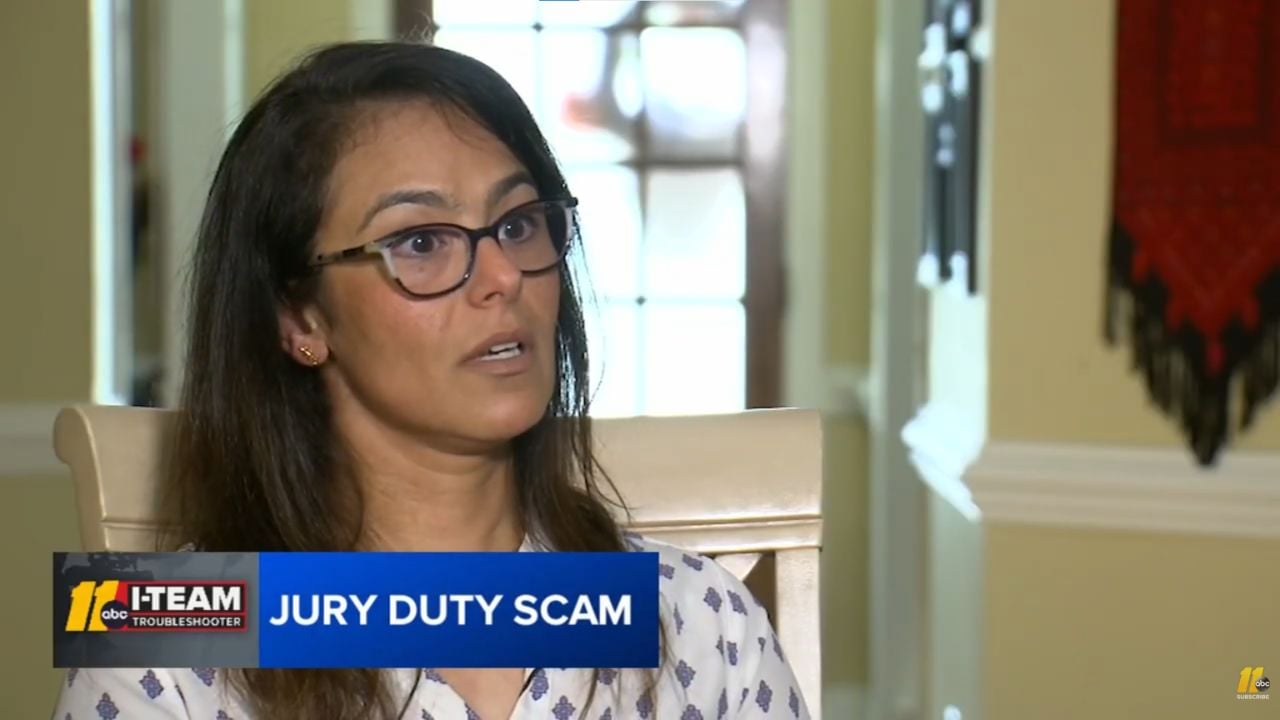
A Cary, North Carolina, woman says a fake jury duty call sent her to a cryptocurrency ATM after a caller posing as a deputy convinced her she had missed court and needed to post bond.
Mia Bashir told ABC11 that the caller knew her full name, maiden name, and entire Social Security number. That personal information made the call feel legitimate before the caller claimed she had failed to appear for jury duty and was facing both civil and criminal charges.
While Bashir stayed on the phone, she said she received documents by text that appeared to come from the U.S. Department of Justice and listed laws she had supposedly violated. The caller then directed her to withdraw thousands of dollars from her bank account and drive to a gas station in Apex.
The payment point was described to her as a “federal machine,” according to ABC11. It was actually a cryptocurrency ATM.
The Caller Kept Her On The Phone For Hours
Bashir told ABC11 the Bitcoin machine seemed strange, but the caller kept directing her while she was under pressure. She said she deposited thousands of dollars after being told she was posting bond.
The demand did not stop there. After the first deposit, Bashir said the caller told her she had only covered the “state portion” of the charges and still needed to pay a federal portion. She deposited more money before later realizing the jury duty story was fake.
The call combined several pressure tactics at once: a law-enforcement title, sensitive personal information, official-looking documents, an arrest threat, and step-by-step instructions that kept her from stepping away to verify the claim. Bashir told ABC11 the experience left her shaken for days and that she wanted to speak publicly so other people would not go through the same thing.
Wake County Officials Warned About Similar Calls
The case came as North Carolina Attorney General Jeff Jackson and Wake County Sheriff Willie Rowe warned residents about resurfaced jury duty scams. In a June 12 consumer alert, Jackson said scammers had redoubled their efforts to target Wake County residents with fake jury duty summons calls.
Wake County officials said scammers are impersonating law enforcement officers and, in some cases, using the names and badge numbers of real deputies to gain trust. The callers falsely claim the person missed jury duty and may be arrested unless they immediately pay a fine or send money.
Officials said law enforcement agencies will not call people to demand payment or threaten arrest over missed jury duty. The alert also warned residents not to give bank account, credit card, or Social Security information to unknown callers.
Crypto ATMs Make Recovery Difficult
ABC11 reported that the FBI said Americans lost nearly $389 million to cryptocurrency ATM scams in 2025. Crypto ATMs allow someone to deposit cash and buy cryptocurrency that can then be transferred to another wallet, making recovery difficult once the money moves.
That speed is why scammers push victims toward Bitcoin machines, gift cards, wire transfers, and other payment methods that bypass normal card or bank-dispute protections. In Bashir’s case, the caller allegedly framed the crypto ATM as part of a government bond process, even though real court payments do not work that way.
ABC11 also reported that North Carolina lawmakers are considering legislation that would create daily transaction limits, require fraud warnings, and add consumer protections for cryptocurrency ATM operators.
A Real Missed Jury Notice Does Not End At A Bitcoin Machine
A real deputy, court clerk, or federal agent will not call and demand cryptocurrency to clear a missed jury duty claim. Anyone who receives that kind of call should hang up and contact the sheriff’s office or court directly using a number from an official website.
The North Carolina Attorney General’s Office tells residents who receive suspicious calls to file a complaint by calling 1-877-5-NO-SCAM or using the complaint form at ncdoj.gov.