
A Pearisburg resident was trying to pay a utility bill online when a computer message claimed the device had been hacked and locked, according to police.
Shortly afterward, the person received a call from someone claiming to work on behalf of the victim’s bank, WSLS reported. The caller said unauthorized funds had been taken from the account but had been recovered and returned.
Then the story escalated. Police said the scammer claimed law enforcement and banking officials were running a “sting operation” to catch a criminal organization responsible for hacking bank accounts.
The victim was told to withdraw cash and hand it to someone who would collect the money as evidence. After the call, a person arrived at the victim’s home and took the cash, according to Pearisburg police.
The Caller Said the Cash Was Needed as Evidence
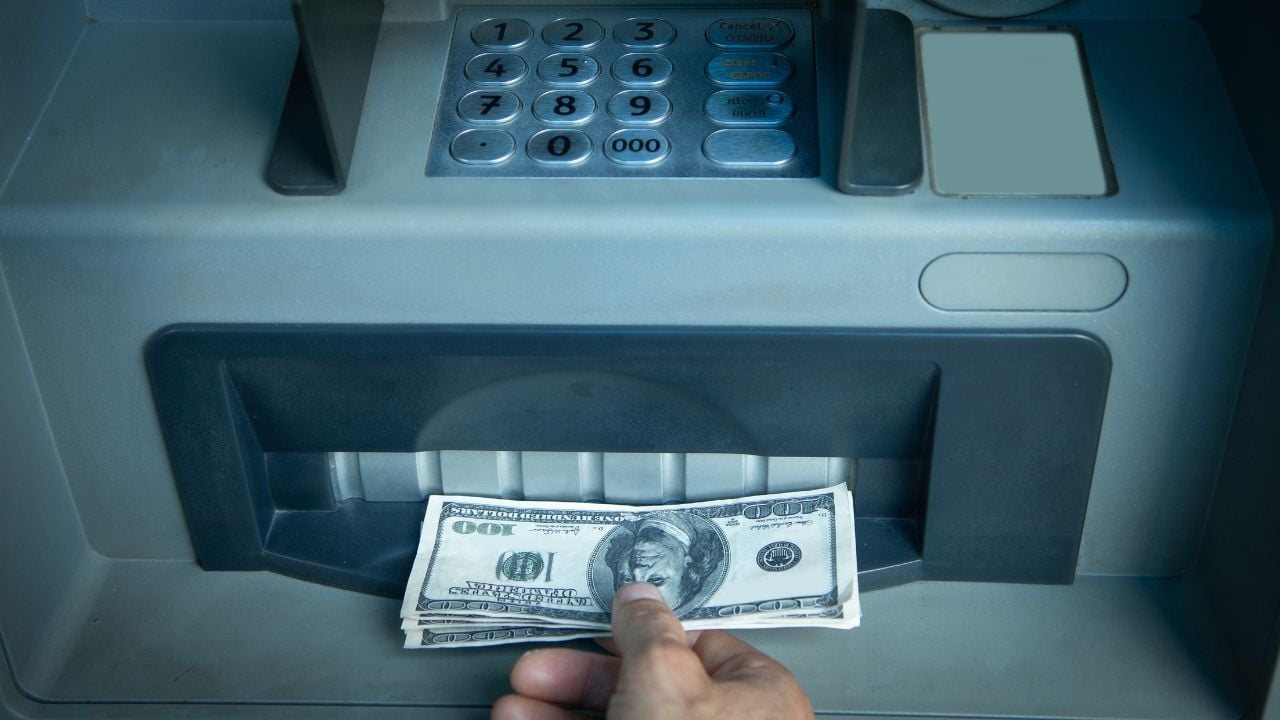
The police account described a courier-style scam built around a fake bank emergency and a fake law-enforcement operation. Once the victim believed the account had been hacked, the caller made the cash withdrawal sound like part of an official investigation.
WSLS reported that Pearisburg police are now asking for help identifying the person who came to the victim’s home. Police did not release the amount of money taken in the report.
The details match a warning pattern that banks and federal agencies have repeated for years: real bank fraud departments do not send strangers to collect cash, and police do not ask residents to use their own money as evidence in a sting operation.
The Locked-Computer Message Set Up the Call
The first part of the scam began before the phone call. The victim was online trying to pay a utility bill when the computer message appeared and claimed the device was hacked and locked.
The phone call then gave the victim a person who sounded like an authority figure and a story that connected the hacked-computer warning to the victim’s bank account.
Pearisburg police warned residents that banks will never ask customers to withdraw cash and give it to someone. The department also said law enforcement will never ask someone to participate in a sting operation involving personal money.
Pressure and Secrecy Are Part of the Scam

The department urged residents to slow down if a caller pressures them to act immediately or keep the conversation secret. Those instructions are common in bank-imposter and government-imposter scams because they keep victims from calling a family member, bank branch, or police department before the money changes hands.
The Federal Trade Commission gives the same warning in blunt terms. The FTC says no legitimate agency will threaten someone, tell them to transfer money to “protect it,” or tell them to withdraw cash or buy gold and hand it to another person.
Anyone who receives a call like this should hang up and contact the bank directly using the number on the back of the card, the official banking app, or the bank’s verified website. A locked-screen message should also be treated as suspicious until it is checked through a trusted device or a verified support channel.
Pearisburg police asked anyone with information to contact the department through Facebook Messenger or call Sgt. Spicer at 540-921-3842. Residents who receive suspicious calls or computer messages should contact their bank directly and report the incident to local authorities.