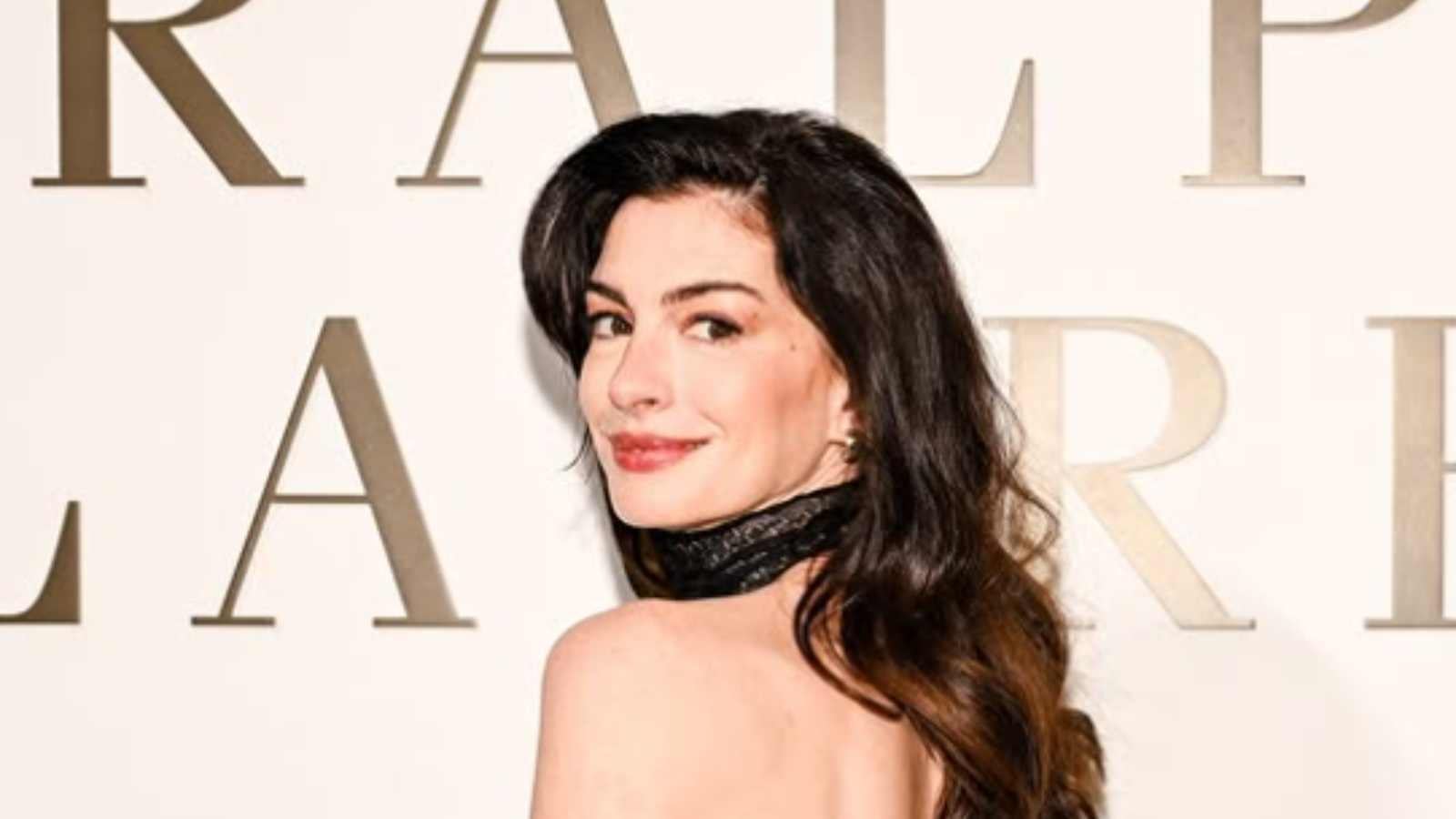
It is the year 2026, and somehow, we are still talking about whether Anne Hathaway is “nice.”
It’s a cycle as predictable as the tides: Anne announces a massive slate of projects… from the long-awaited The Princess Diaries 3 to the high-stakes Devil Wears Prada sequel, and almost immediately, the internet starts digging through the archives for a reason to stay mad at her.
This time, the spark was a resurfaced 2012 interview with Norwegian journalist Kjersti Flaa, where a younger, visibly exhausted Hathaway gave short, one-word answers during the Les Misérables press junket.
The “Hathahate” machine, which we all thought was dismantled a decade ago, started humming again. “She’s stuck up,” the comments read. “She thinks she’s better than everyone.”
But then, something happened that usually doesn’t happen in the world of celebrity call-outs. Anne didn’t ignore it. She didn’t release a PR-sanitized statement through a rep. She sent a personal, vulnerable email directly to the woman she’d slighted fourteen years ago. And just like that, the narrative shifted. But should it have?
The Apology Heard ‘Round the Internet
@pagesixAnne Hathaway just apologized for *that* “cringe” interview with the same reporter who almost quit over “nightmare” Blake Lively. 👀
If you haven’t seen the clip, it’s cringeworthy. Flaa asks Anne to sing her answers (since it was a musical, get it?). Anne, with a level of deadpan that could freeze a desert, simply says, “No.” It’s awkward. It’s prickly. It feels like being the only person at a party who didn’t get the joke.
When the video went viral recently, Flaa revealed that Anne’s team reached out. Not to demand a takedown, but to apologize. “I was pretty shocked,” Flaa admitted in a follow-up video, visibly moved. “She sent me a long email explaining what she was going through right then… she apologized for giving me an awful interview.”
This isn’t just about a movie star being “polite.” It’s about the fact that in 2026, Anne Hathaway is still the primary target for a very specific type of public projection. We demand that she be the “perfect girl next door,” and the second she shows a hint of human friction, tiredness, boundary-setting, or just a bad day, we label it a character flaw.
Why the “Rude” Label Sticks to Anne (And Not Her Costars)

Here is the data point most people miss: During that same 2012 press junket, several of Anne’s male co-stars were also reportedly “difficult” or “short” with the press due to the grueling nature of the Les Mis tour. Yet, nobody remembers Hugh Jackman being “rude.” Why?
Psychology suggests we suffer from a “likability penalty” when it comes to ambitious women. Anne Hathaway is a theater kid at heart; she is earnest, she works harder than everyone in the room, and she wins. For some reason, the public finds that “annoying.”
We prefer our stars to act as if their success were an accident, a “who, me?” moment of luck. Anne treats acting like a craft and a job. When she shows up to an interview and isn’t “on” as a performer, we feel cheated of the fantasy.
A Defense from the Inner Circle
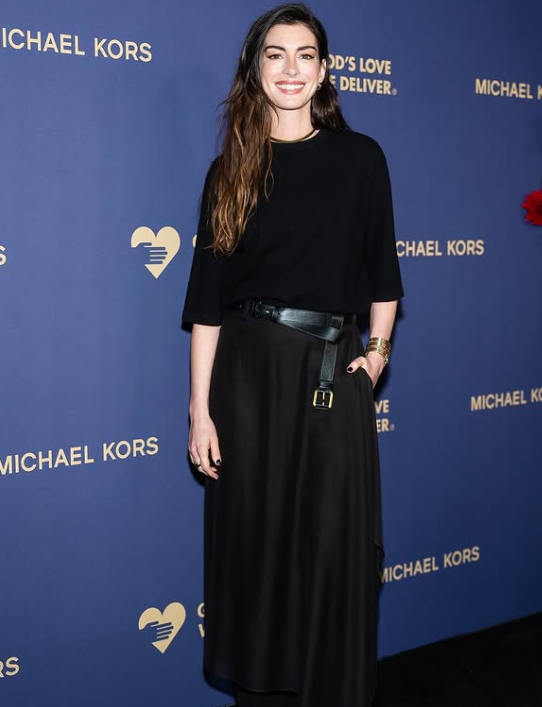
As the “rude” claims bubbled up this month, an unexpected defender stepped into the fray. While many expected a legendary co-star like Meryl Streep to chime in, it was actually voices from her more recent sets, including those from the upcoming Mother Mary, who pointed out a side of Anne the public rarely sees.
Crew members have noted that Hathaway is often the first to learn the PAs’ names and the last to leave the craft services table if it means finishing a conversation with a background actor. This isn’t the behavior of a “diva.” It’s the behavior of someone who is hyper-aware of her reputation and is working twice as hard to overcorrect for a narrative she never asked for.
Maybe Anne Was Rude, and Maybe That’s Okay
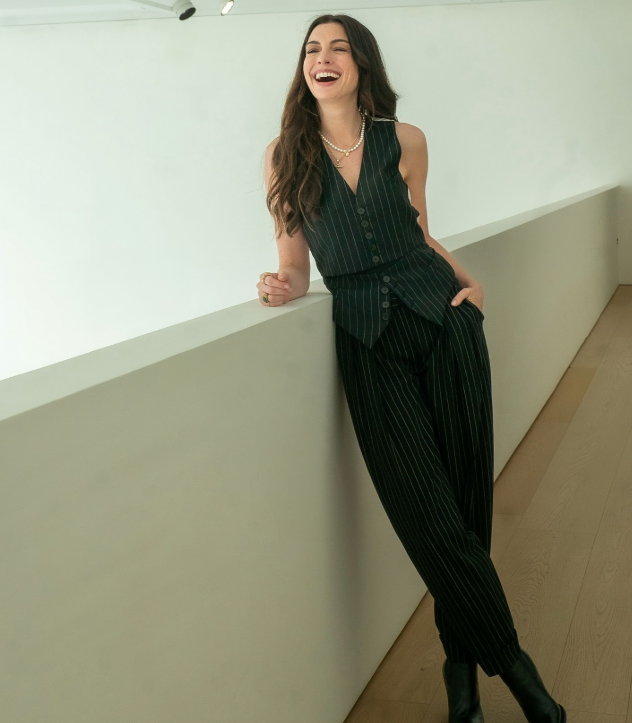
Now, here is the part where I get to play the devil’s advocate and maybe get away with it. What if Anne Hathaway was actually rude in 2012, and what if she had every right to be?
We live in an era where we demand “authenticity” from celebrities, until that authenticity means they’re tired of answering the same five questions for ten hours straight. Journalists often push for “viral moments,” like asking an Oscar-caliber actress to sing on command, that prioritize entertainment over the person’s actual work.
If a male actor like Robert Downey Jr. or Christian Bale shuts down a “silly” question, we call it “alpha energy” or “protecting the craft.” When Anne Hathaway does it, we call it a “personality crisis.”
By apologizing to Kjersti Flaa, Anne didn’t just mend a bridge; she highlighted the impossible standard she’s held to. She felt the need to apologize for a bad mood from fourteen years ago.
Ask yourself: Do you remember what you said to a coworker in a moment of stress in 2012? Would you feel the need to send a three-paragraph email about it today? The fact that she did tells us more about our collective bullying of her than it does about her “rudeness.”
The 2026 Renaissance
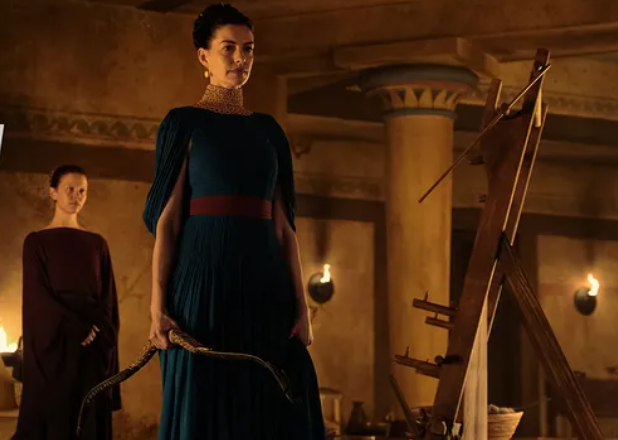
The reality is that Anne is entering her most powerful era yet. With five major films hitting theaters this year, she is no longer the “Princess of Genovia” trying to please everyone. She is a seasoned veteran who has survived “Hathahate” 1.0 and 2.0.
Her apology to Flaa wasn’t a sign of weakness; it was a strategic masterclass in human decency. It effectively neutered the “mean girl” narrative before it could derail her Oscar campaign for Mother Mary. It showed that she is “human-like” in the best way possible… flawed enough to have a bad day, but self-aware enough to acknowledge it later.
In the end, the “rude” claims say more about us than they do about her. We are obsessed with the “fall” of the perfect woman. We wait for the crack in the porcelain. But Anne Hathaway just proved that even if the porcelain cracks, you can fill the gaps with something even stronger.
So, can we finally move on? Because between The Odyssey and Verity, Anne is far too busy to worry about whether you think she’s “nice” anymore. She’s too busy being a legend.