
The MPAA’s R-rating has long been synonymous with adult content, sex, violence, profanity, and everything in between. While some films use this freedom to craft poignant stories, others go too far, sacrificing thoughtful storytelling for shock value. These movies take advantage of their R-rating not to tell compelling stories but to create uncomfortable or outright offensive moments.
Here, we explore several films that pushed the boundaries of good taste, often using graphic violence, crude humor, and harmful stereotypes in ways that detracted from the intended message. These films didn’t just blur the lines; they erased them entirely.
The Hangover Part II
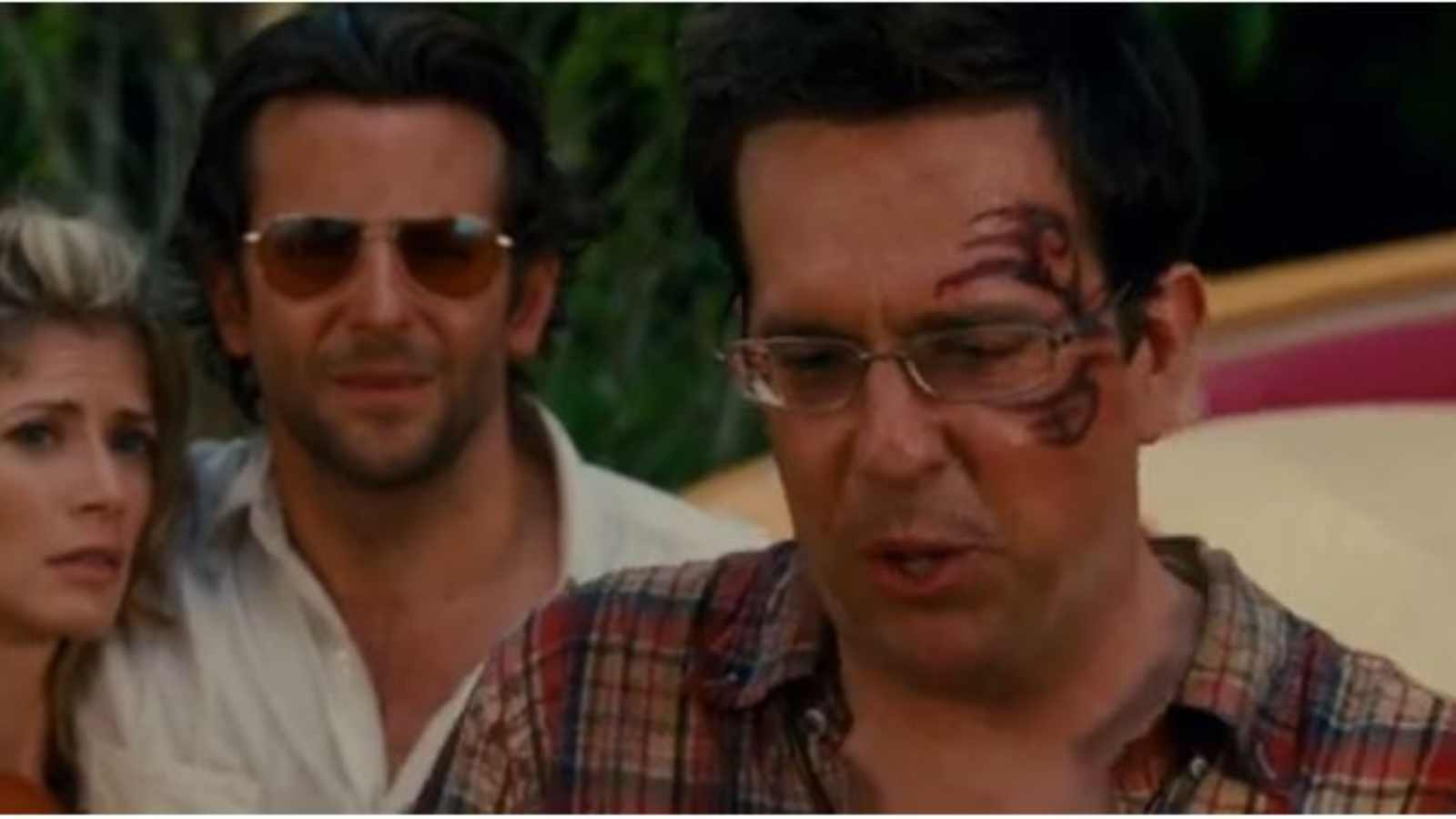
Released in 2011, The Hangover Part II was marketed as a raucous sequel to the wildly successful first film. However, it became infamous for crossing the line from edgy comedy to outright offensive. A key moment in the film depicts the character Stu learning that he slept with a transgender woman, with the revelation being framed as disgusting. This transphobic moment was widely criticized for reducing a serious topic to a cheap joke.
Additionally, the movie included an end credits photo parodying a harrowing Vietnam War image, sparking further outrage for trivializing real-world trauma. What was intended to be edgy humor quickly turned into a disrespectful and tasteless spectacle.
Revenge of the Nerds
Revenge of the Nerds has long been a cult classic, but in today’s cultural climate, it’s difficult to watch without cringing. The film includes a scene where the protagonist pretends to be someone else to deceive a woman into sex. This moment, once seen as a triumph of the underdog, now stands as a glaring example of rape culture.
The film presents the act as humorous when it should have been a moment of reflection on the importance of consent and respect. Even the film’s director, Jeff Kanew, has expressed regret over the portrayal, acknowledging the harmful implications in light of the #MeToo movement.
The Hunt
The Hunt, released in 2020, aimed to satirize the political divide by depicting left-leaning elites hunting conservatives for sport. Though the movie sought to parody the extremism on both sides of the political spectrum, its release sparked massive controversy. Right-wing media outlets condemned the film, claiming it encouraged violence against conservatives, while some liberal critics argued that the film was not self-aware enough to pull off its intended satire.
Ultimately, The Hunt’s heavy-handed political messaging overshadowed its potential to engage in meaningful discourse, leaving many viewers feeling more confused than enlightened.
The Hills Have Eyes 2
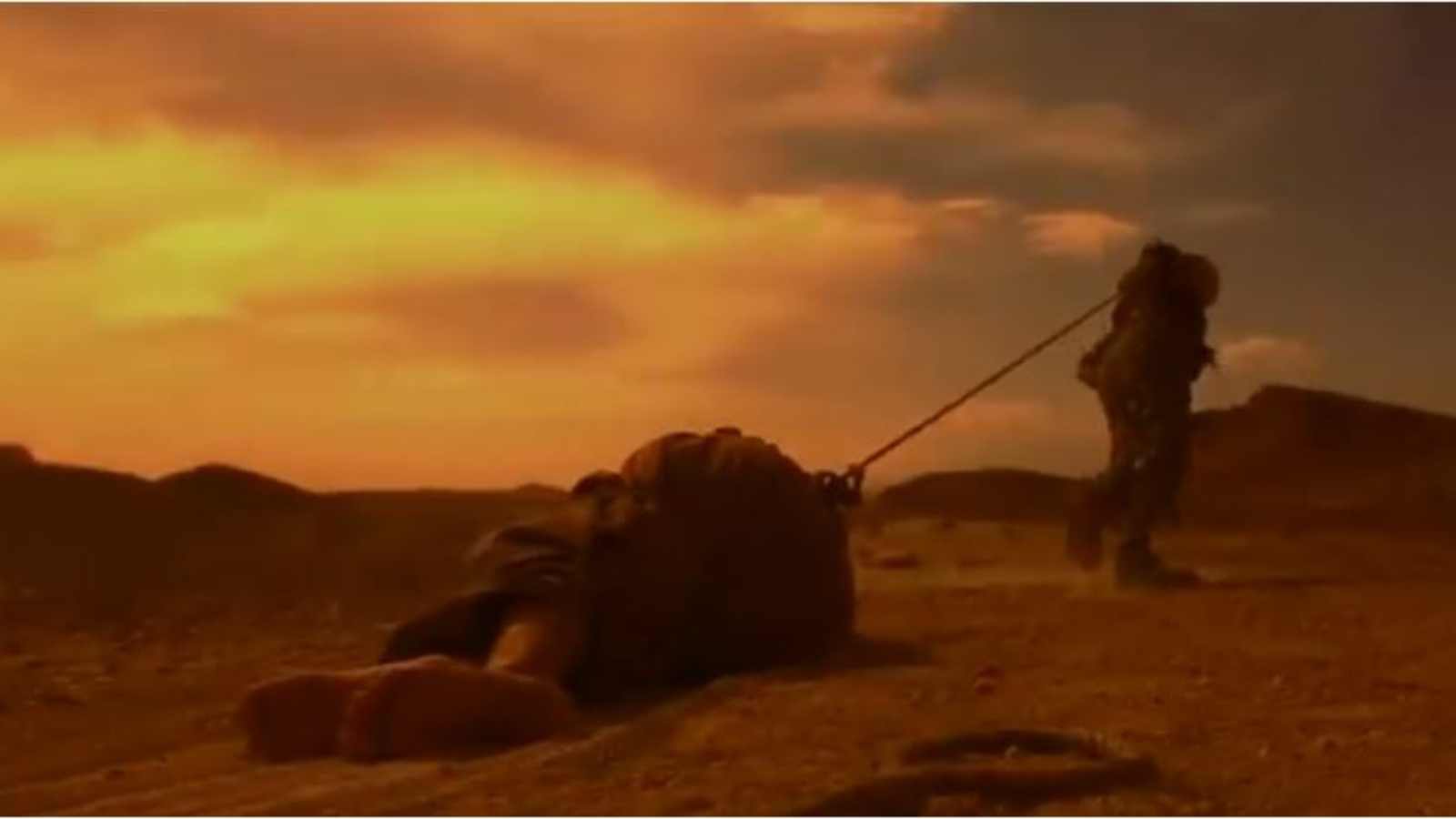
The depiction of sexual violence is not used to make a larger statement but rather as a cheap shock tactic, lacking any depth or character development. The film’s treatment of women as disposable plot devices made it a perfect example of how not to handle sensitive subject matter.
Zack and Miri Make a Porno
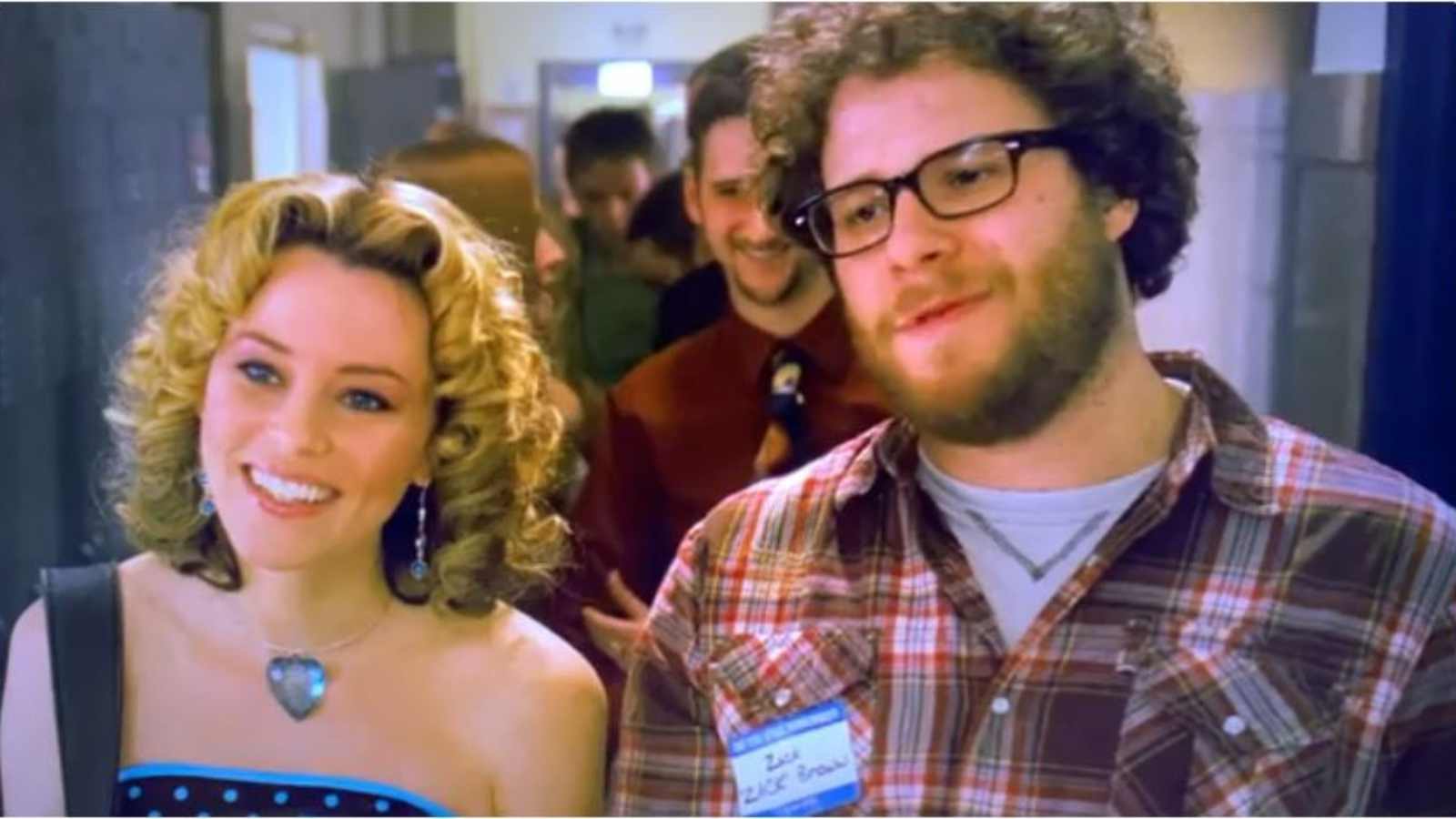
Zack and Miri Make a Porno may be a love story at its heart, but its explicit marketing and risqué premise ensured it was seen as a film that went too far for many viewers. The movie’s title alone caused a stir, with promotional posters being banned from theaters for being too provocative.
While the film attempts to balance raunchy humor with heartfelt moments, its promotional campaign, especially the advertising material, turned off potential audiences. It’s a perfect example of a movie whose marketing overshadowed its substance, ultimately preventing it from reaching a broader audience.
Natural Born Killers
Oliver Stone’s 1994 film Natural Born Killers was a critique of the media’s glorification of violence, but it ultimately glorified the very thing it sought to criticize. The story of Mickey and Mallory, a murderous couple played by Woody Harrelson and Juliette Lewis, is drenched in graphic violence.
While Stone intended the film as a commentary on society’s obsession with sensationalism, many critics felt it became just as enamored with violence as the media it critiqued. The film’s divisive impact continues to spark debates about whether it achieved its intended message or simply reveled in its own excess.
Postal
Director Uwe Boll is no stranger to controversy, but his 2007 film Postal may have taken things too far. The film opens with a darkly comedic take on the 9/11 terrorist attacks, showing hijackers aborting their mission only for the passengers to inadvertently crash the plane into the Twin Towers.
This sequence was intended to be provocative, but instead, it came across as distasteful and shockingly insensitive. Critics and audiences alike rejected the film for its crass humor and excessive use of controversial material to be edgy.
Boat Trip
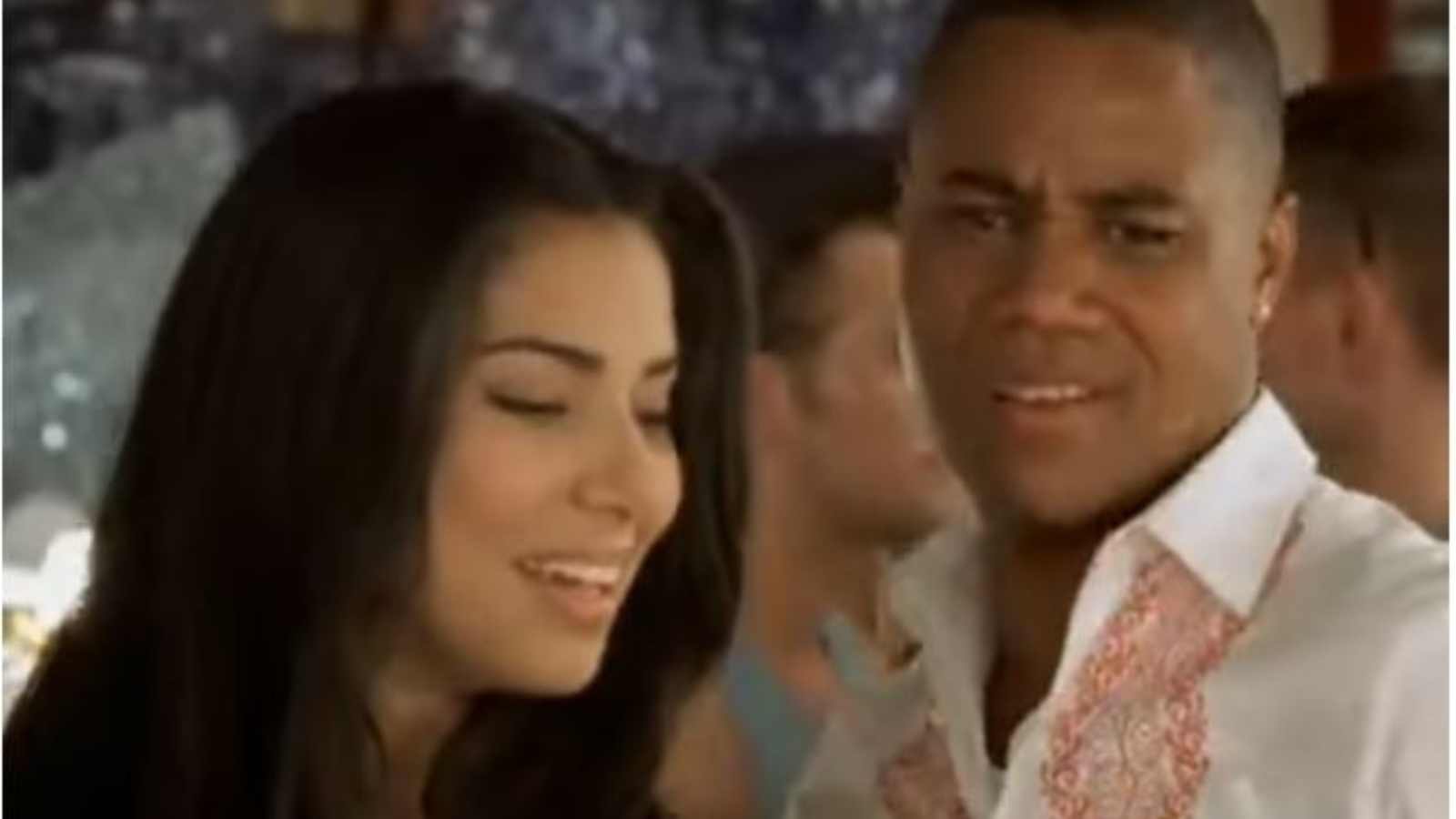
Boat Trip (2002) stars Cuba Gooding Jr. and Horatio Sanz as two straight men who end up on a gay singles cruise. What could have been a light-hearted romp quickly becomes a cesspool of homophobic humor, with the characters’ constant discomfort around gay people used as the main source of comedy.
The movie reinforces outdated and harmful stereotypes, turning gay panic into the butt of every joke. The film was panned for being not only offensive but also painfully unfunny, making it one of the most egregious offenders in the realm of R-rated comedies.
Conclusion
R-rated films can be a powerful storytelling tool, but when filmmakers prioritize shock value over substance, they risk alienating audiences and perpetuating harmful stereotypes. The movies listed here are examples of how an R-rating can be misused, turning what could have been compelling narratives into grotesque caricatures of modern culture. In the end, these films remind us that just because something can be pushed to the extreme doesn’t mean it should be.