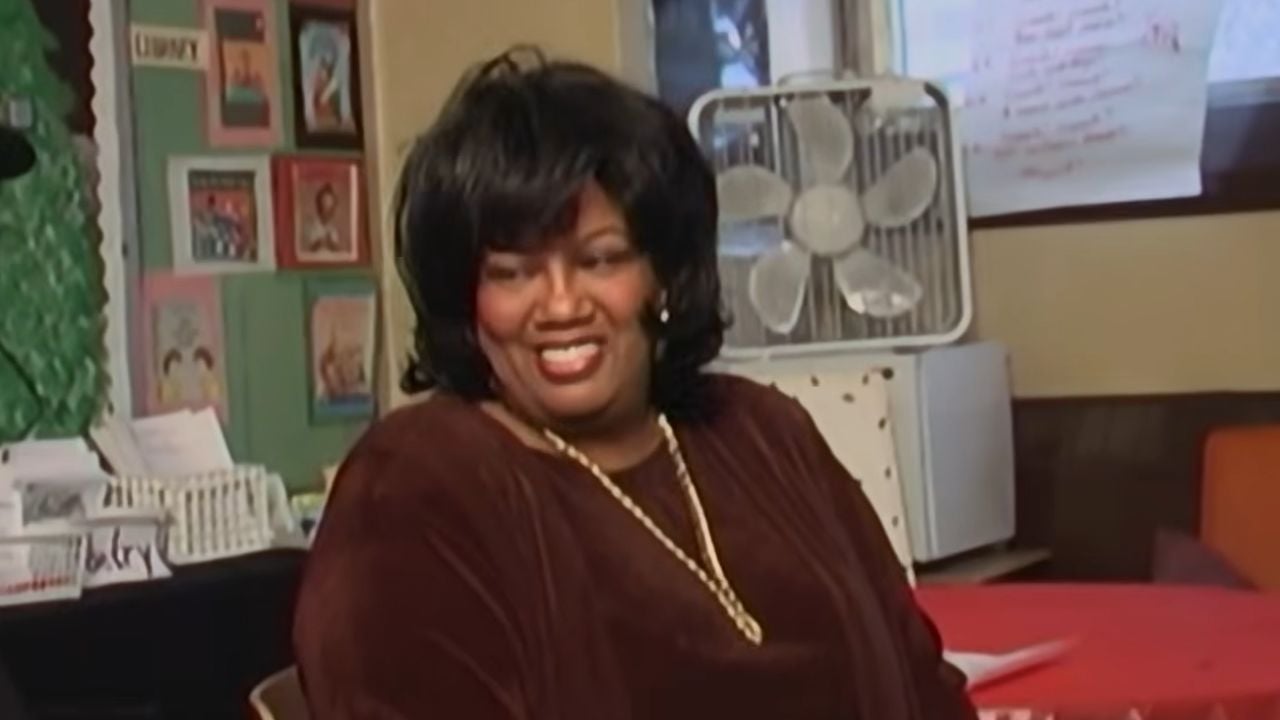
Arlene Smith, the commanding lead singer and co-founder of the pioneering vocal group the Chantels, has died at age 84.
Smith died Wednesday after suffering a heart attack at a New York City hospital, her manager and close friend Paul Errante told The Associated Press.
She leaves behind a recording legacy centered on “Maybe,” the aching late-1950s ballad that helped establish a place for young Black women in the emerging rock-and-roll market and influenced generations of female vocal groups.
The Chantels Began in a Bronx School Choir
Smith met Sonia Goring, Renée Minus, Jackie Landry and Lois Harris at St. Anthony of Padua School in the Bronx. The girls began singing together in the early 1950s while they were still in their early teens or younger.
Their musical foundation came partly from the school choir, where they learned intricate harmonies through Latin hymns and Gregorian chants. They also created vocal parts together during rehearsals and performed at local talent shows and community events.
The group took its name from St. Frances de Chantal, a nearby school and basketball rival. Producer Richard Barrett, who led the male harmony group the Valentines, helped the teenagers secure a deal with George Goldner’s End Records in 1957. Their first single, “He’s Gone,” was written by Smith and released that summer. It reached the national pop chart, but their next recording permanently connected the group to early rock-and-roll history.
‘Maybe’ Helped Change the Possibilities for Girl Groups
The Chantels recorded “Maybe” in a makeshift studio inside a refurbished Manhattan church. The acoustics gave the song its distinctive atmosphere, but the session became physically demanding for Smith. The group reportedly performed the song more than 50 times before Barrett approved a take.
Released in late 1957 and becoming a national hit the following year, “Maybe” reached No. 15 on the pop chart and No. 2 on the R&B chart. It eventually sold more than 1 million copies. Janis Joplin and the Three Degrees later recorded versions of the song. Ronnie Spector said hearing “Maybe” as a young singer in New York helped inspire her own musical ambitions.
The record arrived when male harmony acts such as the Drifters, the Belmonts and the Valentines dominated doo-wop. Commercially successful Black female groups remained rare. The Chantels and the Bobbettes helped open space that groups including the Shirelles, the Ronettes and the Crystals would expand during the 1960s.
“The guys are not the only ones that can do this,” Smith said while recalling the group’s early ambitions in the 2023 oral history But Will You Love Me Tomorrow?
Smith’s Songwriting Credit Was Initially Omitted
Her name was initially omitted from the songwriting credits, an example of the copyright practices that denied many young performers recognition and royalties during the era. Accounts of the song’s creation have differed over the years, but Smith and Barrett are now widely identified as its primary writers or co-writers.
The Chantels also confronted racial barriers in how their music was marketed. The original cover of their debut album, We Are the Chantels, featured a photograph of the group. It was later withdrawn and replaced with artwork showing two white teenagers leaning over a jukebox.
Smith later said the group had to overcome both the conventions of the music business and the racial climate surrounding Black performers in the 1950s.
The Group Toured With Major Rock-and-Roll Performers
The success of “Maybe” sent the Chantels onto national tours with performers including Chuck Berry, the Drifters, and Ike and Tina Turner. They also appeared several times on American Bandstand. Smith was still completing her education while traveling.
She remembered bringing schoolbooks onto tour buses, doing homework between shows and enjoying the unusual freedom of performing alongside friends while pursuing the work she wanted to do. The Chantels followed “Maybe” with songs including “Every Night (I Pray)” and “Look in My Eyes,” although none matched the commercial reach of their signature recording.
Smith left the original group in 1959 as End Records encountered financial problems. She briefly worked with producer Phil Spector and recorded the single “Love, Love, Love.” The remaining Chantels continued as a quartet, while Smith later performed with different backing singers under versions of the group’s name.
The Original Singers Reunited Decades Later
Smith reunited with the original members in 1970 for an RCA recording and later returned to the group’s music during oldies concerts and television appearances.
The Chantels received the Rhythm and Blues Foundation’s Pioneer Award in 1996. The surviving original members performed “Maybe” during the ceremony, honoring their role in expanding opportunities for women in rhythm and blues. Smith reunited with the group again for the 1999 PBS special Doo Wop 50, dedicating “Maybe” to Landry, who had died in 1997.
The Chantels were inducted into the Vocal Group Hall of Fame in 2002. The organization recognized Smith’s songwriting and powerful lead voice as essential elements of the group’s sound. Rolling Stone later placed “Maybe” at No. 199 on its list of the 500 greatest songs.
Smith Took Her Musical Training Into the Classroom
After her initial recording career slowed, Smith pursued higher education and earned a master’s degree in education. She taught music to elementary school students in New York City before retiring in the 2000s, bringing the training that had begun in Bronx classrooms and church choirs to another generation of children.
Smith continued performing at events celebrating doo-wop, girl-group history and the musical legacy of the Bronx. In April 2019, a street corner near St. Anthony of Padua School was co-named in the group’s honor. The sign at East 166th Street and Prospect Avenue reads, “The Chantels Hit Record ‘Maybe’ 1958.” Smith joined the ceremony near the neighborhood where five schoolgirls first combined their voices more than six decades earlier.