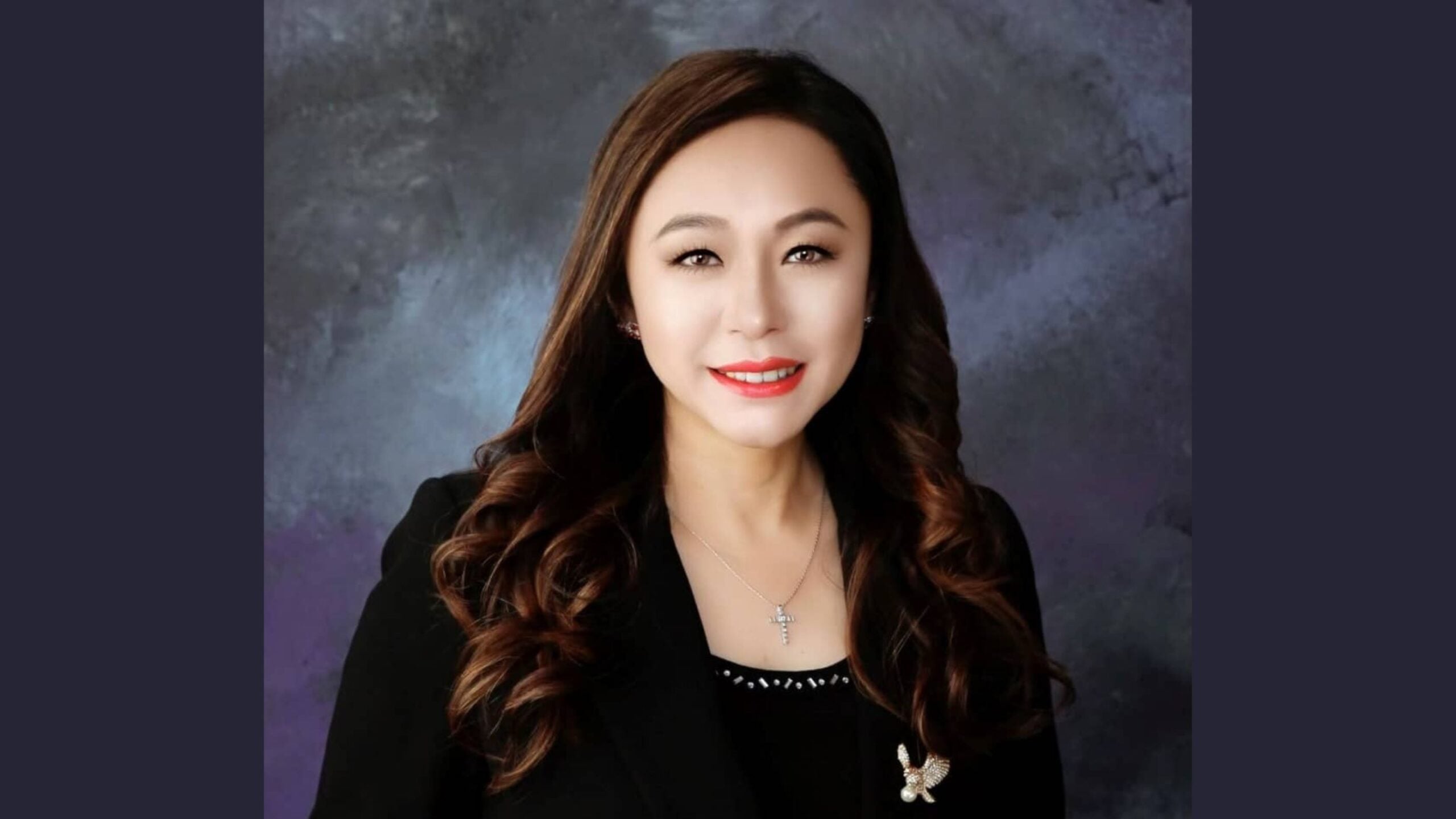
Former Arcadia mayor Eileen Wang has agreed to plead guilty after the U.S. Department of Justice accused her of acting as an illegal foreign agent for the Chinese government while serving as an elected official in California.
The case immediately triggered national security concerns because it places a sitting American politician at the center of an alleged foreign influence operation tied to Beijing-linked officials.
Federal prosecutors say Wang worked alongside another individual to promote messaging favorable to the Chinese government inside the United States while allegedly failing to disclose those activities to U.S. authorities.
Wang has now resigned from office and faces up to 10 years in federal prison.
Prosecutors Say Wang Helped Spread Pro-Beijing Messaging
According to the DOJ, Wang and Yaoning “Mike” Sun allegedly worked between 2020 and 2022 under the direction of officials tied to the People’s Republic of China.
Authorities say the pair operated a platform called “U.S. News Center,” which appeared to function as a local Chinese-American news outlet but allegedly published material supplied or directed by Chinese government officials.
One of the most significant allegations involves content relating to Xinjiang.
Federal prosecutors say Chinese officials allegedly sent Wang pre-written propaganda materials denying human rights abuses in Xinjiang through WeChat. Prosecutors claim Wang then posted the material online, edited it based on instructions from Chinese officials, and later shared audience engagement data back with them.
Investigators also say Wang communicated with individuals connected to China’s intelligence apparatus. The DOJ argues that the core issue is not simply speech or political views, but the alleged undisclosed coordination with a foreign government while holding public office in the United States.
🚨 Arcadia Mayor Eileen Wang in California has been charged with acting as an illegal agent of the People’s Republic of China in the United States.
Mayor Wang admitted to acting as a foreign agent from at least 2020 through 2022 – promoting PRC propaganda in the U.S. and acting…
— FBI Director Kash Patel (@FBIDirectorKash) May 11, 2026
The Case Raises Bigger Questions About Local-Level Foreign Influence
The allegations surrounding Wang highlight a growing concern among federal authorities: foreign influence operations may no longer focus only on Washington, Congress, or presidential politics. Local governments are increasingly viewed as vulnerable entry points.
City councils, mayors, school boards, and regional political figures often operate with far less national scrutiny while still holding influence over economic partnerships, public messaging, community organizations, and local policy discussions.
That is partly why the case is drawing so much attention despite Arcadia being a relatively small California city. Federal officials appear eager to send a broader warning that foreign governments allegedly attempting to shape American narratives or political influence at the local level will face aggressive prosecution.
The case also reflects how digital media platforms and community-focused news outlets can become powerful tools in influence operations. Authorities claim the website involved in this case blended into the local media environment while allegedly serving another purpose behind the scenes.
Wang’s Political Rise Makes the Story Even More Significant
Wang was elected to the Arcadia City Council in 2022 and later became mayor through the city’s rotating leadership system. She became the first Chinese-American woman elected to the council and had built a public image around civic engagement, public safety, and community leadership.
Before entering politics, she held leadership roles in organizations including the Arcadia Rotary Club and the American Southwest Chamber of Commerce USA.
Her public profile and community involvement make the allegations particularly striking because prosecutors are effectively arguing that someone viewed as a respected local leader was simultaneously operating in coordination with foreign officials.
That contrast is likely to intensify political debate surrounding vetting, transparency, and foreign influence in American institutions.
Kash Patel publicly reacted to the case on X, saying Wang admitted to promoting Chinese propaganda in the United States while acting under the direction of officials connected to the PRC. Patel added that federal agencies are continuing to aggressively investigate similar influence operations across American institutions.
Former Congressman George Santos also reacted online, calling the case “frightening.”
The Guilty Plea Could Intensify U.S.-China Political Tensions
The timing of the case is significant.
Relations between the United States and China are already under pressure across multiple fronts, including trade disputes, technology restrictions, espionage accusations, AI competition, and national security concerns.
Cases involving alleged Chinese influence inside the U.S. political system tend to attract enormous attention because they reinforce fears that geopolitical competition is extending far beyond economics and military strategy.
This case also feeds into a larger debate over how democracies handle foreign influence campaigns in the digital era.
Unlike traditional espionage stories centered on classified documents or covert operations, modern influence cases increasingly revolve around information, narratives, media ecosystems, and public trust.
Federal prosecutors appear to be framing Wang’s case as part of that broader battle.