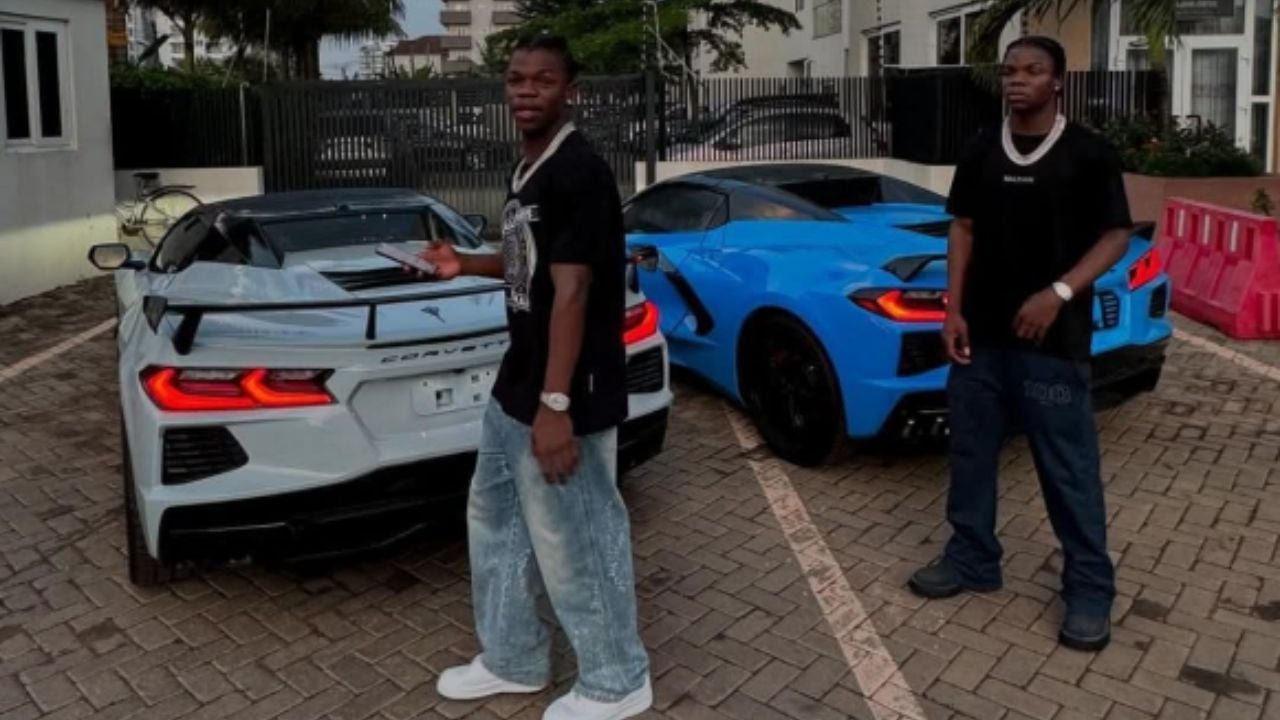
Two Ghanaian twin brothers who showed off luxury sports cars online have pleaded guilty in a romance fraud conspiracy that cost victims more than $9 million. A federal court filing includes photographs labeled as the brothers posing with a Lamborghini and Corvettes.
Jamal and Kamal Abubakari, both 22, pleaded guilty to conspiracy to commit wire fraud on October 13, 2026. The U.S. Attorney’s Office for the Northern District of Ohio announced their pleas on October 26, along with the guilty plea of a third defendant.
The scheme targeted mostly older people through dating websites and social media. Participants used fictional romantic identities and false stories to convince victims in the United States and Europe to send money into accounts controlled by the network, federal prosecutors said.
Amanda Joy Opoku-Boachie, 53, also pleaded guilty on October 20. All three agreed to forfeit jewelry seized during their arrests and are scheduled to be sentenced in February 2027.
Victims Across the U.S. and Europe Lost More Than $9 Million
According to the Justice Department’s October 26 announcement, the conspiracy operated from approximately July 2024 through April 2026. Victims included people in Williams County, Ohio, and 24 other U.S. states, as well as Germany and Austria.
An April 1 indictment in Opoku-Boachie’s individual case describes requests for money supposedly needed for medical emergencies, travel to meet romantic partners and investment transactions. It also alleges that conspirators posed as third parties helping fictitious romantic partners complete transactions. Prosecutors said some of the money was subsequently forwarded to associates in Ghana and elsewhere.
Prosecutors Described Two Factions and Gold-Inheritance Stories
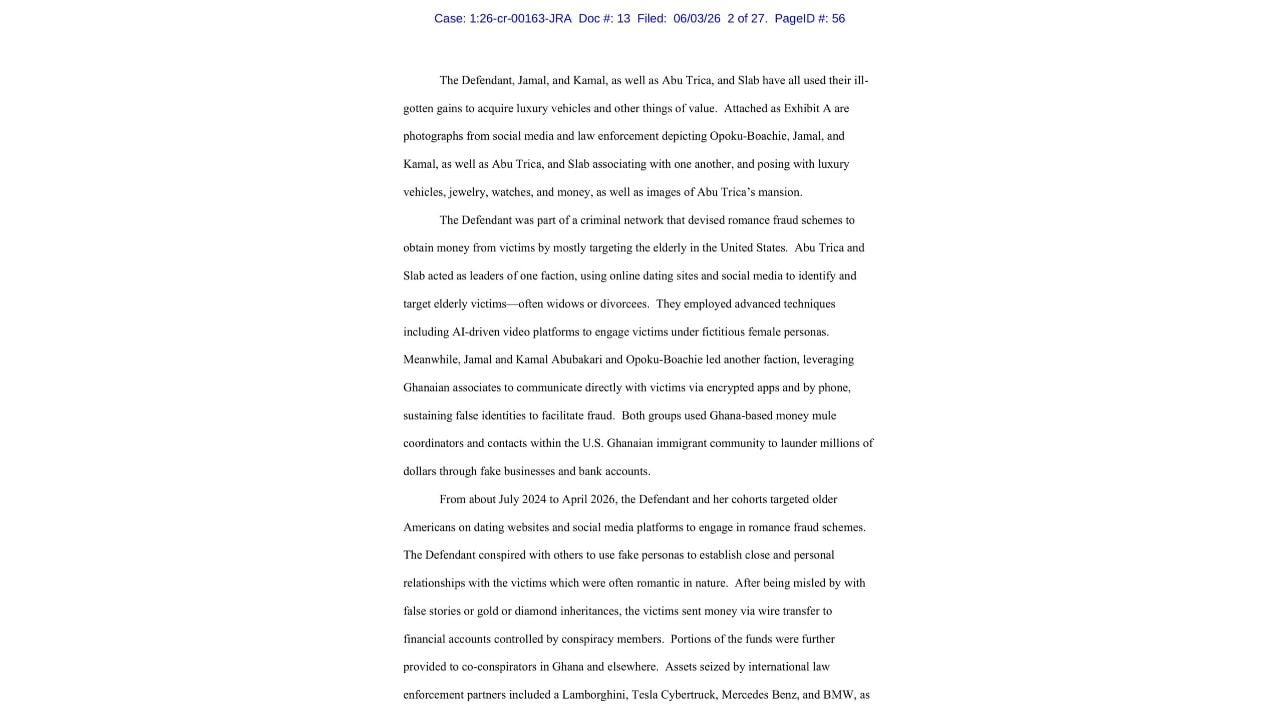
In a broader federal investigation, prosecutors described a group involving the Abubakari brothers and Opoku-Boachie that used Ghanaian associates to communicate with victims through encrypted applications and telephone calls. A June 3 detention memorandum filed in Opoku-Boachie’s case alleged that the three led one faction of the network.
The same filing separately described another faction associated with Frederick Kumi, also known as Abu Trica, and Daniel Yussif, also known as Slab. Prosecutors alleged that members of that other group used AI-driven video platforms and fictitious female personas to engage victims.
The detention memorandum said victims had been told false stories involving gold or diamond inheritances. At the time, prosecutors estimated that losses associated with Opoku-Boachie and the twins exceeded $7.2 million, and said the figure was still growing. The later October guilty-plea announcement placed the collective victims’ losses at more than $9 million.
Federal Court Exhibit Shows Twins With Corvettes and a Lamborghini
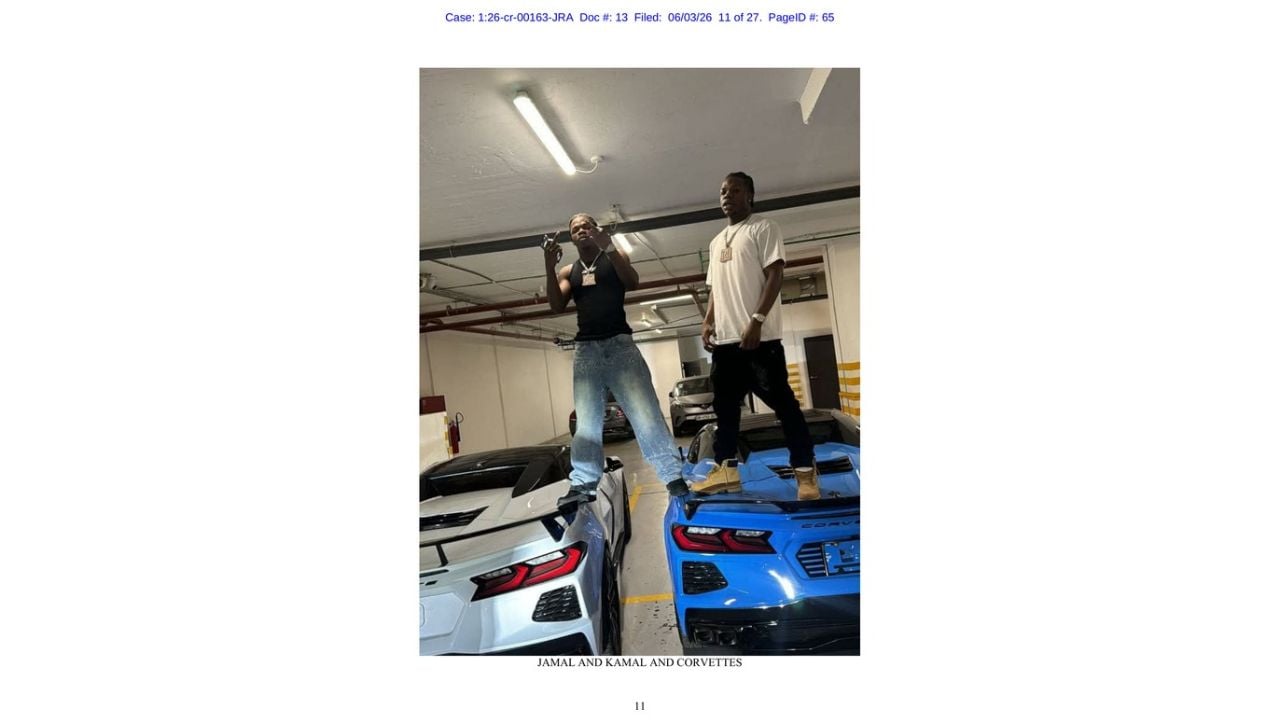
Exhibit A to the June 3 memorandum includes photographs the government labeled “Jamal and Kamal and Corvettes” and “Jamal and Kamal and Lamborghini.” One page shows two men posed on the rear sections of blue and white Corvettes, while another shows two people in front of a red Lamborghini.
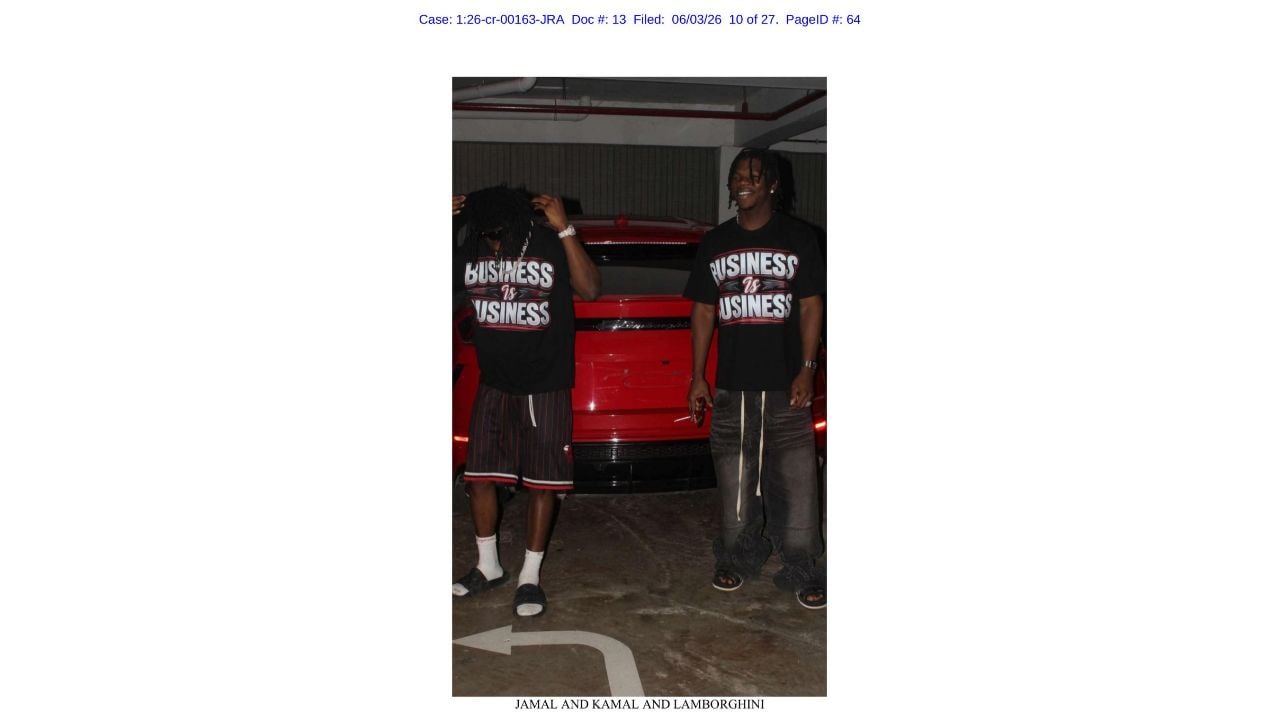
Prosecutors described the exhibit as a collection of images obtained from social media and law enforcement sources.
Jamal used the public nickname Arrangement, while Kamal went by Lancaster. According to BBC reporting, the brothers promoted themselves as musicians on TikTok and posted videos featuring expensive vehicles, houses and cash.
Defendants Agree to Forfeit Seized Luxury Jewelry
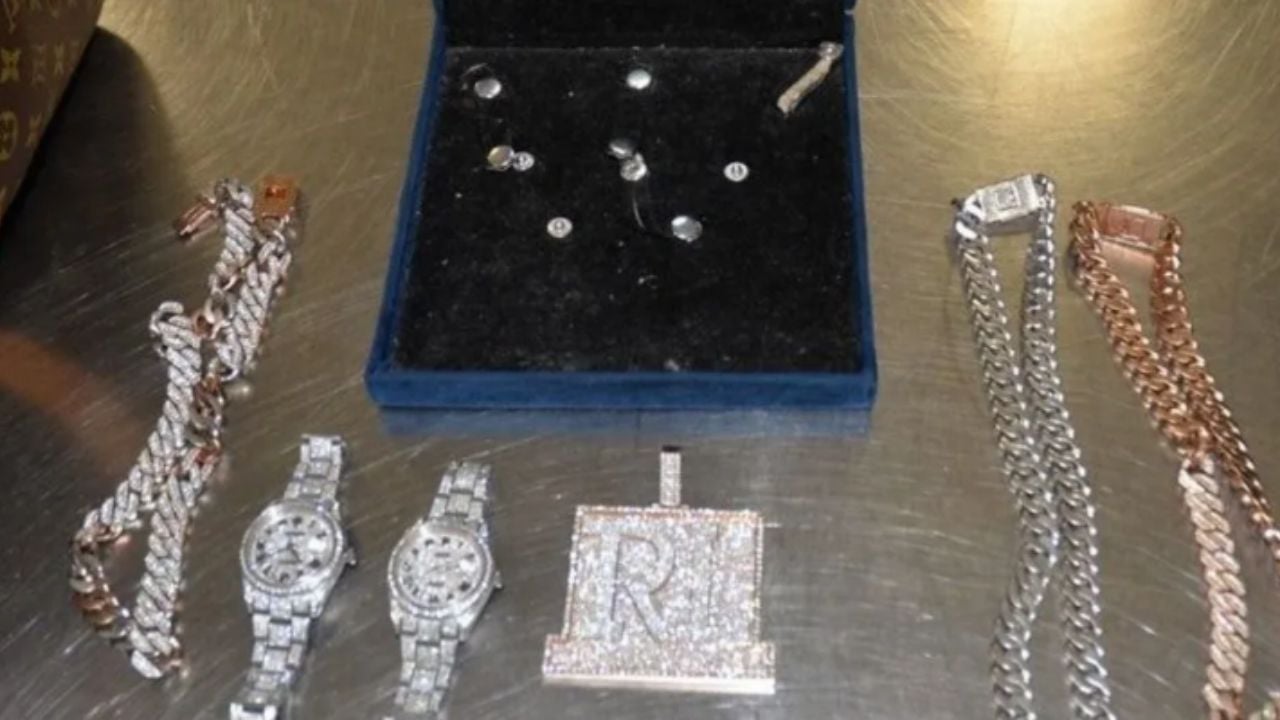
The forfeiture agreements cover property seized during the defendants’ arrests, including high-end watches, rings, chains, medallions and earrings, according to the U.S. Attorney’s Office. In the earlier detention filing, prosecutors separately labeled one photograph “Jamal’s jewelry and watches (Arrangement)” and another “Kamal’s jewelry and watches (Lancaster).”
Although the original federal filings also described alleged money laundering, the October 26 announcement confirmed guilty pleas to conspiracy to commit wire fraud.
Brothers Face Sentencing in February 2027
Each defendant faces a statutory maximum of 20 years in federal prison, with the actual sentence to be determined by a judge under the U.S. Sentencing Guidelines and other applicable factors. The brothers are scheduled for sentencing on February 9, 2027, while Opoku-Boachie’s sentencing is scheduled for February 10.
The FBI’s Cleveland Division led the investigation, assisted by agencies in the United States and Ghana. The Justice Department credited Ghana’s Economic and Organised Crime Office, Police Service, Cyber Security Authority and Financial Intelligence Centre, among other participating organizations.
How to Recognize Requests for Money in Online Romances
The Federal Trade Commission warns that romance scammers may build relationships online while making excuses for why they cannot meet in person. They often claim to need urgent financial help and may ask for money through wire transfers, payment apps, cryptocurrency or gift cards.
People who suspect a scam can discuss the request with someone they trust and run a reverse image search of the online profile. Anyone who has already sent money should contact their bank or payment provider promptly and ask about a recall or reversal, and can report suspected fraud through ReportFraud.ftc.gov or IC3.gov.