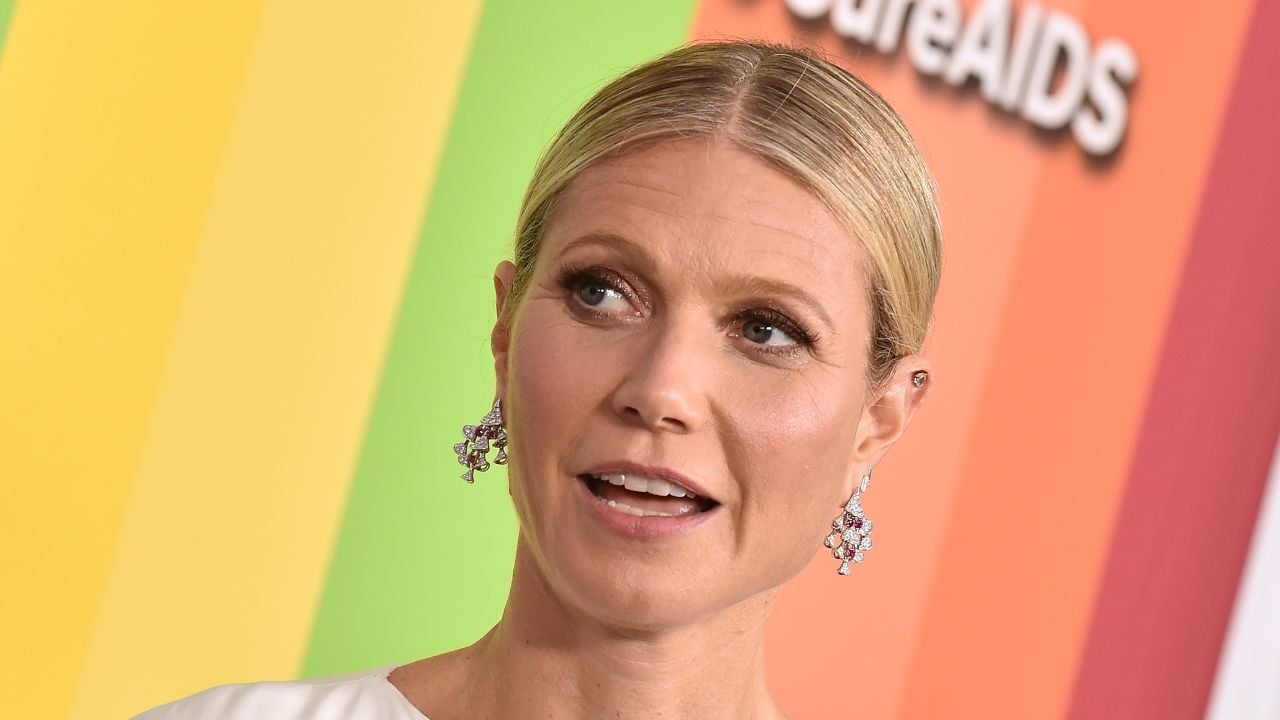
Gwyneth Paltrow has spent more than a decade being associated with the phrase “conscious uncoupling,” but she now says the idea that shaped her separation from Chris Martin entered their lives through someone else.
During a Sept. 8 appearance on the Friends Keep Secrets podcast, Paltrow explained that she and the Coldplay frontman were already trying to find a way to protect their children from the lasting hostility that can follow divorce when a therapist introduced them to the concept.
The couple later used the phrase when announcing their separation in 2014, helping turn it into an international pop-culture reference. Relationship expert Katherine Woodward Thomas coined the term in 2009 and had been teaching the approach before Paltrow and Martin made it famous.
Paltrow recalled arguments, tense family brunches and moments when their effort to remain close nearly went “off the rails.” What mattered to her was trying to prevent Apple and Moses from growing up surrounded by the kind of post-divorce hostility she had heard other adults describe.
Paltrow Asked Friends What Hurt Most About Their Parents’ Divorces
Paltrow said she began asking friends from divorced families what had affected them most long after their parents separated. Their answers shifted her thinking. According to Paltrow, many said the divorce itself was painful but that the hostility afterward left deeper scars. Parents refusing to enter the same home, tense birthday parties and family milestones where both adults could not comfortably be together.
That made Paltrow focus less on whether the marriage could end without pain and more on what family life might look like years later. She wanted Apple and Moses to reach milestones such as a college graduation without having to manage tension between their parents or decide where each one could sit.
“Is there a way that we could do this?” Paltrow recalled asking during the podcast, later explaining that she wanted the family eventually to be able to share the same table again.
Their Therapist Introduced Them to Conscious Uncoupling
Paltrow said she and Martin were working with a therapist while trying to figure out how to separate without dismantling their family relationship. She described the therapist as “really brilliant” and said he introduced them to the concept of conscious uncoupling.
“We just made a commitment to really put the kids first,” Paltrow said, explaining that they wanted to remain a family even after they stopped being a couple, according to People.
Paltrow had described the introduction similarly years earlier. In an essay later republished by British Vogue, she wrote that she had never heard the phrase before their therapist introduced it and initially found the wording difficult to embrace. What interested her was the possibility behind it, ending a romantic relationship without losing the wider family they had created.
Katherine Woodward Thomas Coined the Phrase Years Earlier
Marriage and family therapist Katherine Woodward Thomas coined “conscious uncoupling” in 2009 and began teaching the approach years before Paltrow and Martin announced their separation. Even Goop’s explanation of the concept credits Woodward Thomas with creating the phrase.
Her book, Conscious Uncoupling: 5 Steps to Living Happily Even After, followed in 2015. It developed the idea into a structured five-step process built around moving through a breakup with greater personal responsibility, respect and an effort to limit lasting damage.
When they announced their separation in March 2014, their Goop post appeared under the heading “Conscious Uncoupling” alongside an explanation of the philosophy by Dr. Habib Sadeghi and Dr. Sherry Sami. Contemporary coverage from ITV documented Sadeghi’s explanation immediately after the announcement. Woodward Thomas later became widely recognized as the originator of the process itself.
One Sunday Brunch Nearly Went ‘Off the Rails’
Paltrow recalled that after the family relocated from London to Los Angeles, she, Martin, Apple and Moses continued having Sunday brunch together. The routine was one way of showing the children that their family could continue even though their parents’ marriage had ended.
During one early brunch, however, Paltrow and Martin were already upset with each other and she sensed that the situation could deteriorate in front of the children. Instead, she said, they stepped outside onto the front porch and agreed not to let the disagreement take over the family gathering. They hugged, fist-bumped and returned to brunch.
Paltrow and Martin’s divorce was finalized in 2016. She married producer Brad Falchuk in 2018, while she and Martin continued maintaining a close co-parenting relationship around Apple and Moses.
The Phrase Became a Punchline Almost Immediately
“Conscious uncoupling” sounded unusual enough that the phrase itself quickly became part of the story. Paltrow was mocked as though she had invented an elaborate celebrity substitute for “divorce,” even though the term and method already existed.
She clarified that point publicly years ago. In a 2016 interview covered by People, Paltrow emphasized that she had not created the phrase and was instead trying to follow an existing approach during an emotionally difficult separation.
Her view of the backlash has also evolved. During a January appearance on Amy Poehler’s Good Hang podcast, Paltrow said she now understands why someone who had endured a particularly painful divorce might have heard “conscious uncoupling” as an implication that they had handled their own breakup incorrectly.
Paltrow said that judgment was never the intention. The idea, as she described it, was to make a deliberate effort to reduce the damage of separation where circumstances allowed, not to suggest that every divorce could or should look like hers.
Paltrow Says the Backlash Cost Her a Movie Role
During the same January Good Hang appearance, she said she had been attached to a movie shortly after the separation became public but was dropped during the period of intense negative attention surrounding “conscious uncoupling.”
Paltrow said she believed the distributor saw the controversy around her as potentially “too hot to touch.” She also said, the professional setback arrived while she was already going through the end of her marriage.
Despite that reaction, Paltrow has continued to defend the underlying idea. A decade after the separation announcement, she told People that she felt proud when people told her the concept had helped them build better relationships with former partners.