
People seeking help with their debts were persuaded to buy gold coins on credit and ship them to strangers. Arizona prosecutors say the man directing the supposed relief program was making calls from prison.
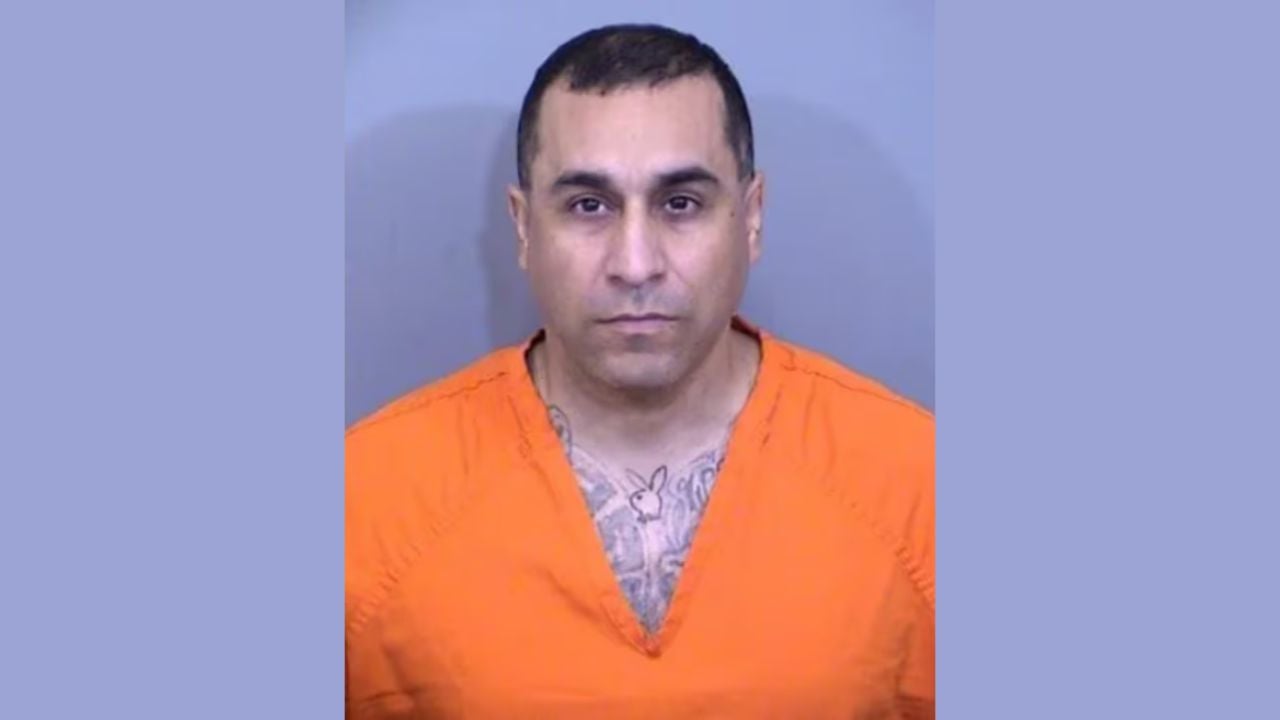
Robert Lopez received a 12½-year prison sentence on October 8, 2026, after pleading guilty to conspiracy and attempted fraudulent schemes. The Arizona Attorney General’s Office announced the outcome November 18.
The office identified Lopez as a member of the Arizona Mexican Mafia and said the operation helped finance the prison gang. Inmates used contraband cellphones while associates outside prison handled packages, sales and proceeds.
The court ordered Lopez to pay $276,583.41 in restitution, with responsibility described as joint and several. He also received five years of supervised probation upon release, including gang-related conditions.
Small Debt Payments Persuaded Victims to Buy More Gold
Callers presented Debt2Credit Associates LLC as a government-backed program that could help people pay their debts. Victims were instructed to purchase gold coins, often using credit cards, and ship them to addresses supplied by the conspirators.
The operation initially paid small portions of victims’ existing debts, giving them a reason to trust the arrangement. Participants were then encouraged to make larger purchases before the promised payments stopped, leaving them with additional debt.
Lopez Wrote Scripts and Directed Accomplices From Prison
According to the attorney general’s office, Lopez personally called victims, prepared scripts for other callers and directed associates outside prison. Those participants collected shipments, sold the gold and moved the proceeds.
Coin dealers and pawn shops unknowingly purchased merchandise connected to the fraud, and prosecutors said some businesses were also victimized. The investigation involved the Arizona Department of Corrections, Rehabilitation and Reentry’s Office of the Inspector General and the Arizona Department of Public Safety.
Court Ordered $276,583.41 in Restitution to Four Victims
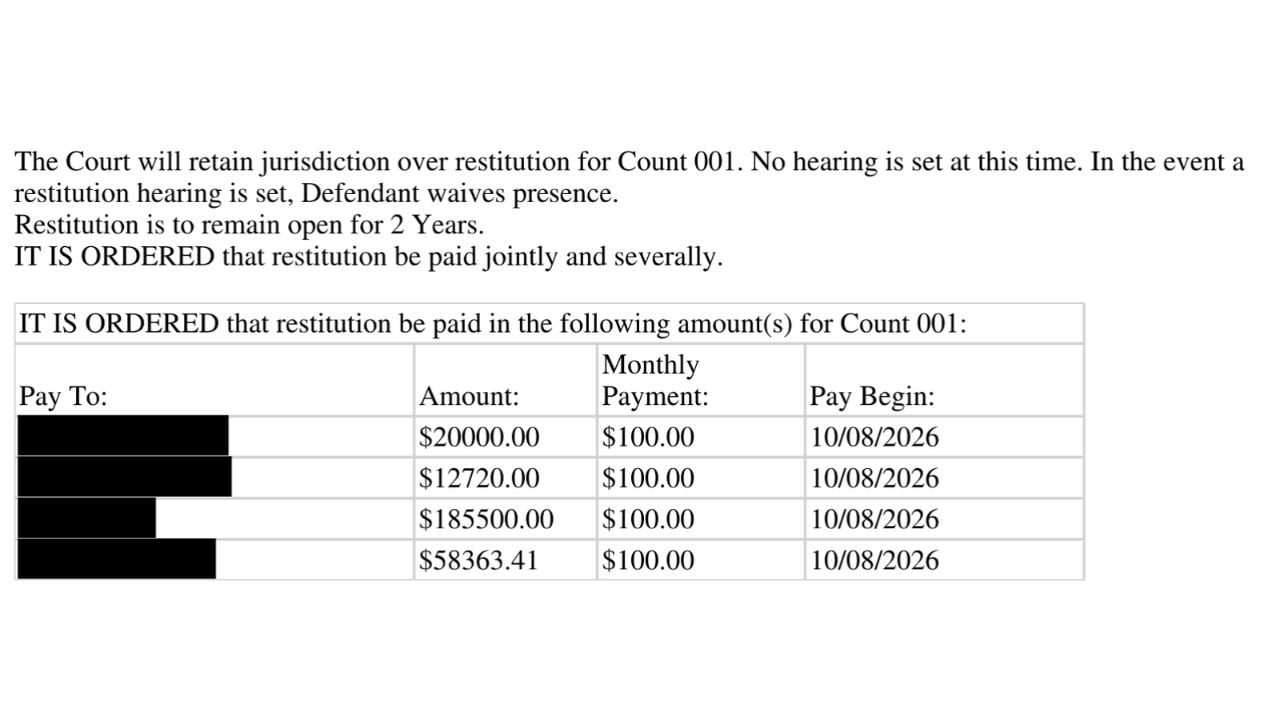
The sentencing order in Maricopa County case CR2025-006291-001 records convictions for conspiracy and attempted fraudulent schemes or artifices. Judge Cassie Bray Woo imposed the prison term on the conspiracy count and probation on the attempted-fraud count.
The restitution awards are $20,000, $12,720, $185,500 and $58,363.41, totaling $276,583.41 for four victims. The order requires payment jointly and severally and leaves restitution open for two years.
Lopez received 425 days of credit for time already served. The order also makes imprisonment in a separate case concurrent with this case’s conspiracy sentence, and it dismisses counts three through five.
Check Debt-Relief Offers Before Buying or Shipping Gold
This scheme used small debt payments to encourage much larger purchases, so an initial payment should not substitute for checking who is offering help. Before taking on new charges or shipping valuables, contact your creditor directly and independently verify the proposed program.
The Federal Trade Commission warns against guaranteed debt forgiveness and unexpected offers seeking personal or financial information. It recommends credit counselors who provide free information about their services, thoroughly review your finances and do not charge in advance for help they have not provided.
If you have already sent money or gold, preserve card statements, shipping receipts and communications, and report the suspected crime to law enforcement. Debt-relief scams can also be reported through ReportFraud.ftc.gov.