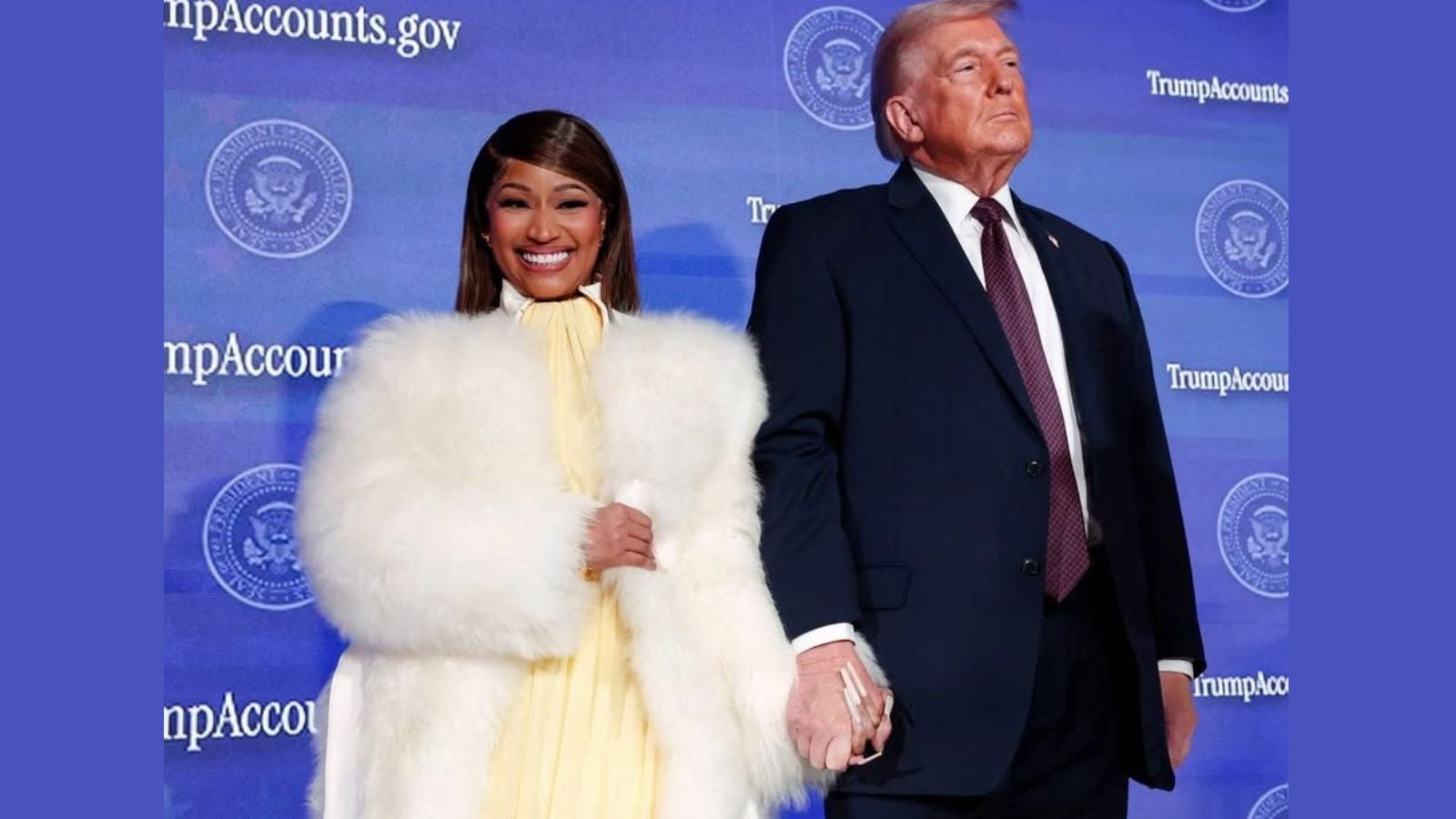
She once called Donald Trump “childish” and blasted his immigration policies. Now? Nicki Minaj is out here calling herself his “number one fan,” waving around a gold card she says Trump gave her, and talking like she is ready to campaign for the man full-time. And guess what? The full political switch-up finally got unpacked in a massive Time magazine interview published Thursday, May 14, and whew, Nicki did not leave crumbs.
The interview instantly lit up entertainment media because it wasn’t some soft celebrity “both sides” answer. Nicki named names, revisited old grudges, dragged the music industry’s politics into the spotlight, and basically said she spent years hiding how she really felt.
Daytime TV hosts, radio personalities, and half the internet immediately jumped into the conversation, because of course had to. A rap superstar publicly going from anti-Trump comments to full MAGA enthusiasm was always going to send pop culture into chaos.
She Was Always a Secret Fan, She Just Did Not Think She Could Say It
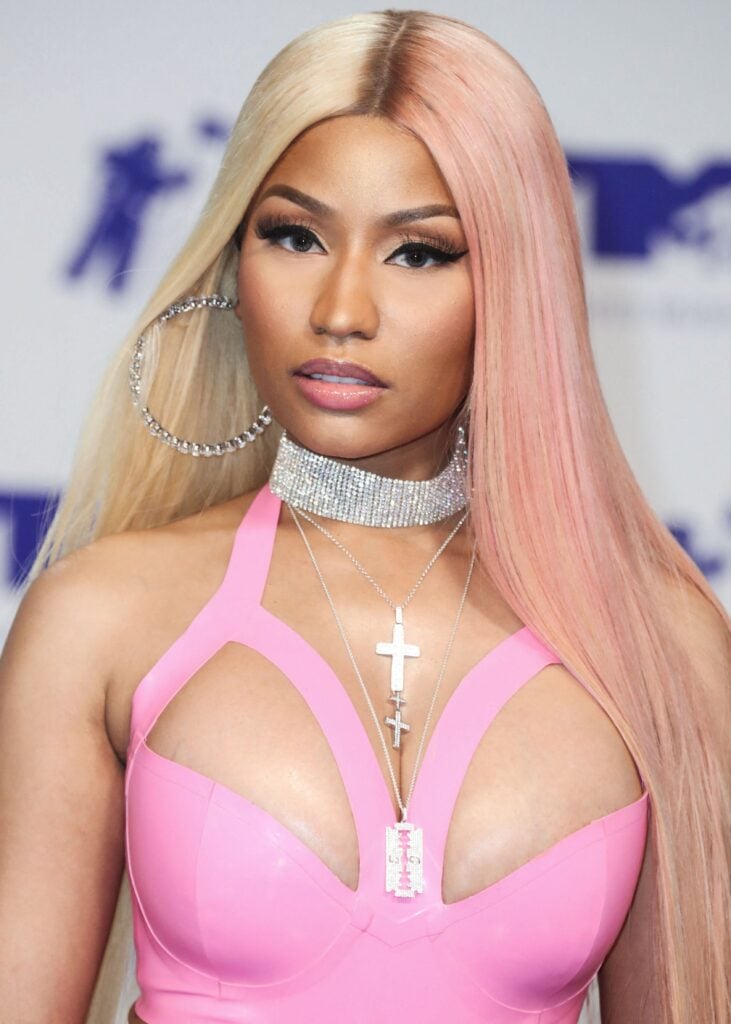
According to Nicki, this did not suddenly happen in 2025. In the Time interview, she admitted she had privately supported Trump for years but felt pressure to keep quiet because of the music industry’s political culture. “I felt that way already about him, just that I didn’t dare act like that publicly,” she said, adding that entertainment circles basically operate like one giant Democratic family where supporting Trump can get you side-eyed into another dimension.
And honestly, that confession is what makes people do double-takes. Nicki publicly criticized Trump years ago, yet now she says she was secretly riding with him behind the scenes the whole time. Now, celebrity politics already feels performative half the time, so hearing one of the biggest names in rap, openly admit they were basically politically undercover for years was always going to get attention.
By late 2025, Nicki stopped being subtle about any of it. She attended Turning Point USA’s AmericaFest convention, posed for photos with Trump in Washington, D.C., and started openly talking about MAGA politics without trying to soften the edges. At this point, calling herself Trump’s “number one fan” sounds less like a joke and more like a full-on rebrand.
Swatting, Governors, and the Moment a Congresswoman Changed Everything
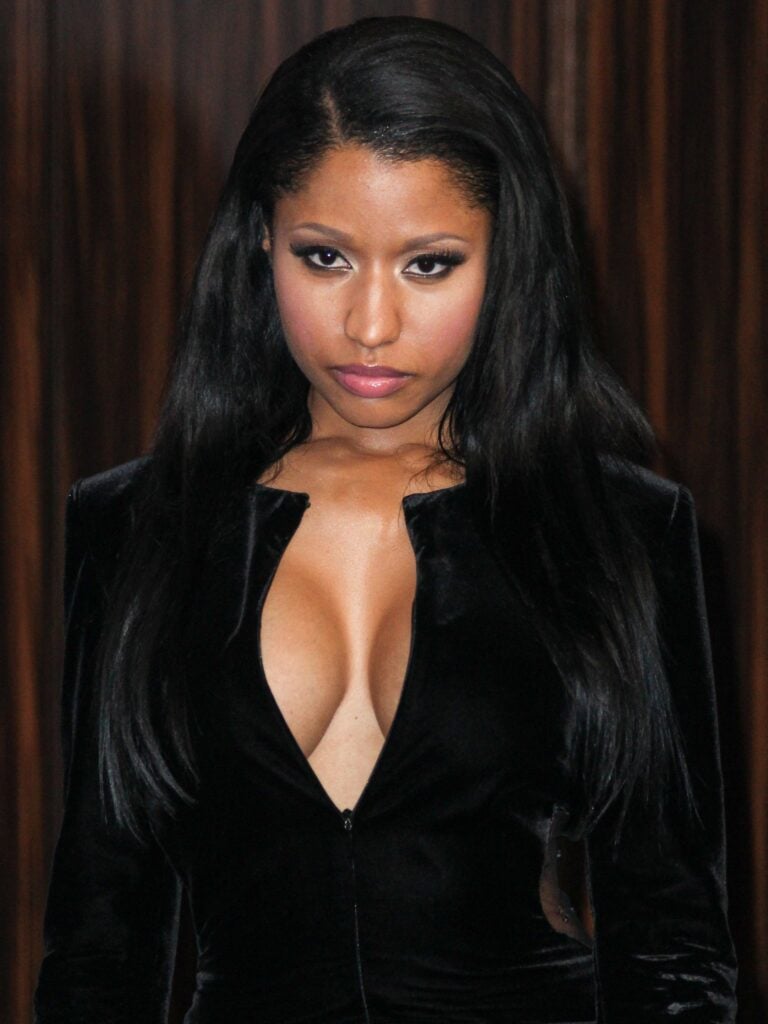
Nicki says the actual turning point came after several swatting incidents at her Los Angeles home between 2022 and 2025. She described repeatedly dealing with false emergency reports that sent armed police to her property, and after another incident in April 2025, she tried reaching out to California Governor Gavin Newsom for help.
According to Nicki, she got absolutely nowhere. She told Time that Newsom ignored her despite the taxes she pays in California. Newsom’s office later responded to Entertainment Weekly, saying the governor “literally has nothing to do with this,” which pretty much turned the whole thing into a public shrug match.
Then came the moment Nicki says completely changed how she viewed Republicans. According to her, Republican Congresswoman Anna Paulina Luna reached out after the April 2025 swatting incident, connected her with private security support, and helped her reach federal law enforcement officials.
Nicki described being genuinely shocked that somebody in politics responded that quickly. “I’d never seen anyone in politics treat me that way,” she told Time. That contrast became the emotional backbone of her political shift. In Nicki’s eyes, one side ignored her while the other immediately stepped in.
That personal angle matters because Nicki is not talking about policy first. She is talking about loyalty, access, and who answered the phone when she felt unsafe. In the celebrity world, relationships are currency, feeling heard also matters, and Nicki basically described this political shift as if somebody finally remembered to text her back.
Obama, Jay-Z, and the Unspoken Rules of Being a Black Celebrity in American Politics
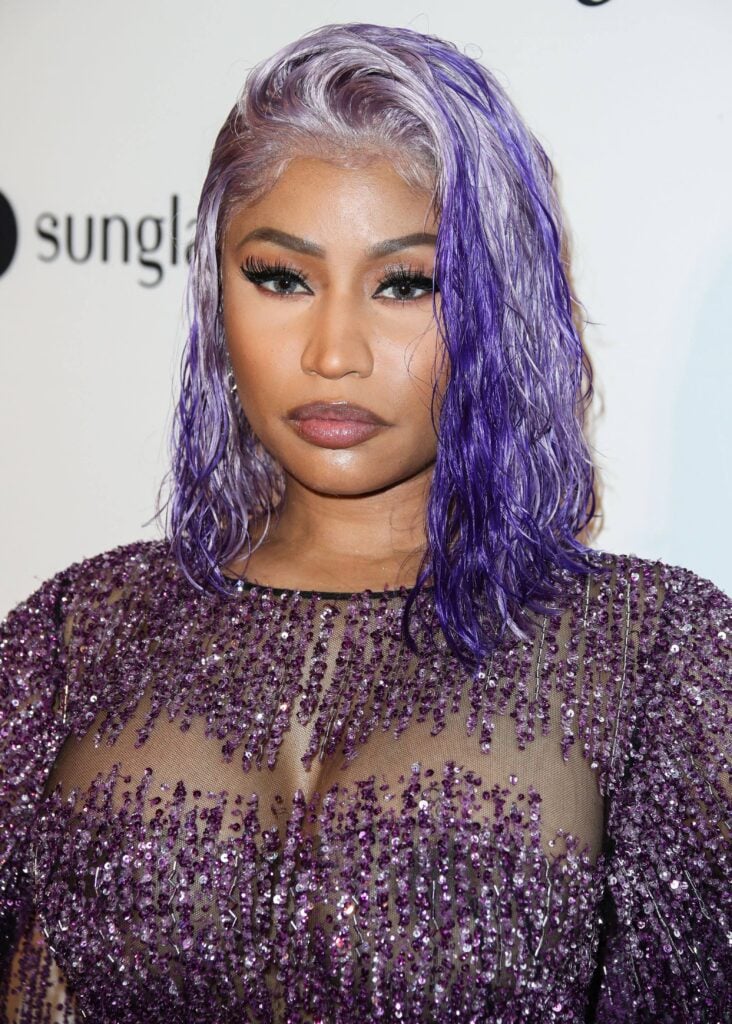
This is where the interview really started shaking the table. Nicki argued that Black entertainers are quietly expected to support Democrats, and she sounded completely done pretending otherwise. She pointed to Barack Obama’s comments during the 2024 election about hesitant Black male voters supporting Kamala Harris and said many people felt talked down to.
Nicki told Time she saw tons of videos from Black men saying Obama’s remarks came across as “condescending.” She agreed with them, saying people felt ignored instead of heard. Whether people agree with her or not, she clearly views the entertainment industry and Democratic politics as deeply connected social clubs where stepping outside the accepted lane comes with consequences.
Then she brought Jay-Z into it. Nicki claimed many rappers quietly resent Jay-Z but are too afraid to say it publicly. She even alleged that his close relationship with Obama might have ended up costing the former president a lot. But for the sake of context, it is important you know that Nicki has once accused Jay-Z of trying to sabotage her career, so yeah, there’s a bit of bad blood there.
In all, Nicki framed everything as connected to powerful entertainment figures, political expectations, as her decision to stop staying quiet. “I’ve never felt happier,” she told Time. “When you can be yourself, you’re happier.”
She Is Not Just a Fan, She Thinks She Is Starting a Movement
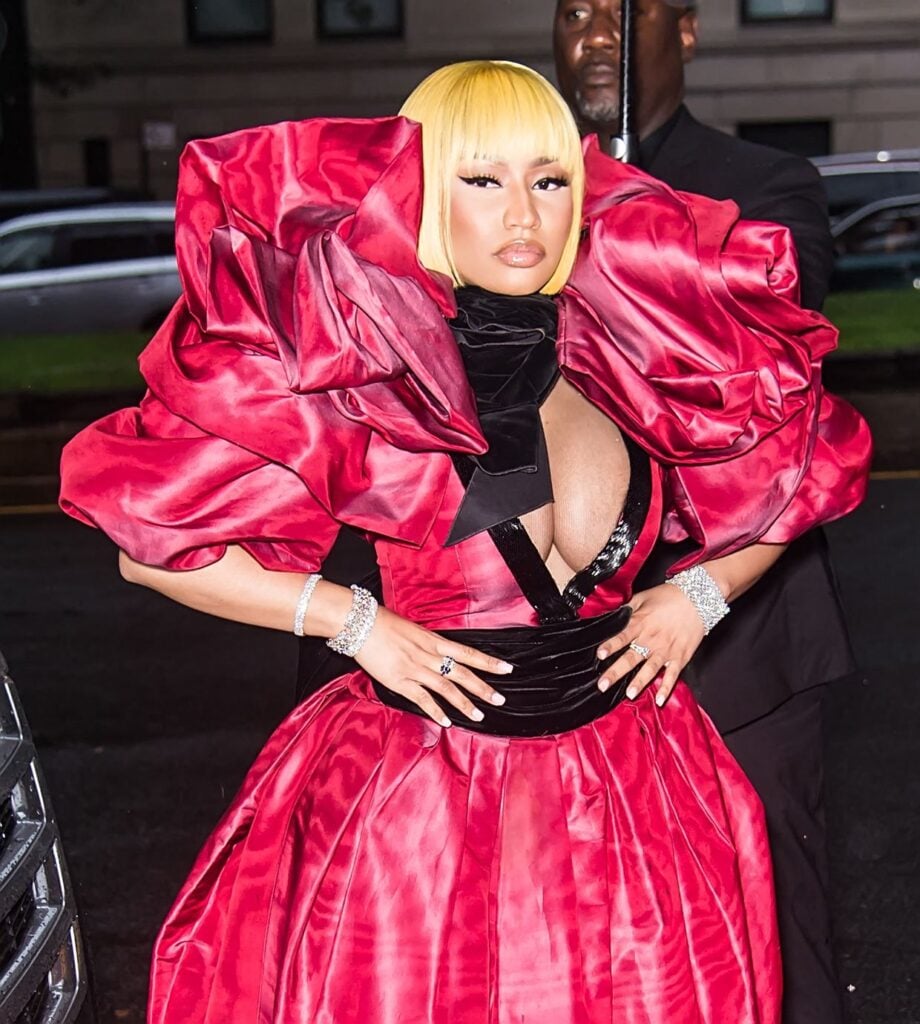
Nicki is not presenting herself as somebody who casually changed political opinions. She genuinely seems to believe she is opening the floodgates for other celebrities who secretly agree with her. In the interview, she said many entertainers feel the same way but are scared to say it publicly.
Then came the “catalyst” line, which immediately became internet bait. Nicki said she believes she is the “one brave person” willing to take the heat first so others can follow behind her. Social media had a field day with that quote within minutes, with people either seeing fearless honesty or peak main-character energy.
She also repeated Trump’s claims about ineligible people voting, saying she trusted that Trump had “done his due diligence.” That part sparked major backlash because courts, election officials, and Trump’s own former Attorney General have repeatedly rejected claims of widespread voter fraud.
Still, Nicki’s larger point throughout the interview stayed the same. She believes celebrities are scared of social and professional backlash, and she sees herself as somebody willing to take that hit publicly.
The View Had Plenty To Say, and So Did the Breakfast Club
The daytime TV reactions arrived right on schedule. Over on The View, Whoopi Goldberg summarized Nicki’s reasoning before joking that the truly outrageous thing was Nicki apparently believing Grease 2 is better than Grease 1. Alyssa Farah Griffin immediately agreed that this was somehow the wildest opinion in the entire interview.
Joy Behar was not buying the political framing at all. She told the panel flatly, “I don’t believe that it’s about what the Democrats are doing. I think it’s personal with her.” She then pointed to Nicki’s 2021 COVID vaccine comments, when Minaj tweeted that her cousin’s friend in Trinidad had experienced side effects that she described in memorable anatomical detail, as an example of how personal rather than ideological her decision-making can be.
Sunny Hostin added two more pieces of context that the panel found significant. She noted that following Nicki’s public appearance with Trump, Minaj announced her U.S. citizenship paperwork was being finalized and fast-tracked.
Hostin also raised speculations that Nicki may be seeking a presidential pardon for her husband, who is a registered sex offender and pled guilty to manslaughter, serving seven years in prison, and potentially for her brother, who is serving a sentence of 25 years to life in a New York state prison on charges of predatory sexual assault against a child and child endangerment.
Whoopi eventually brought the conversation back to the larger political impact. She said people absolutely have the right to vote for whoever they want, but argued the explanations celebrities give matter when those endorsements affect real people dealing with policy decisions involving healthcare, women’s rights, Black Americans, and LGBTQ communities.
Over at the Breakfast Club, the tone was less theatrical and more direct. The hosts acknowledged Nicki’s right to back whoever she chooses, but pushed back hard on her account of the swatting situation.
In an interview, Nicki Minaj explained how she was always, deep down, a Trump supporter and how she feels the music industry influences people to become Democrats. She also speaks on losing trust in Obama and Gov. Newsom. Tap into the latest w/ @lorenlorosa pic.twitter.com/RaQvTvM1HI
— The Breakfast Club (@breakfastclubam) May 14, 2026
Their take: reaching out to the governor of California over a swatting incident and expecting a personal response is like contacting the CEO of a company because your Wi-Fi went down. According to one host, there are channels, agencies, and steps between a private citizen and the governor’s desk that Nicki seems to have skipped over in her telling.
The hosts were also clear that with everything happening in America right now, Nicki Minaj’s political evolution is not a story most regular people are losing sleep over.
They also made a pointed observation that artists with her level of reach carry a different kind of responsibility than a private individual. Her fans, they noted, cannot pick up a phone and call the governor. However, they are the people getting hit by the policies she is endorsing, and that matters whether she means it to or not.
What Comes Next for Nicki, and Why the Conversation Is Not Going Away
Nicki says she is willing to do “whatever it is” to help Trump in the upcoming midterms, though Trump’s team has not publicly responded. What stands out most is that nearly all of her explanations are personal. She talks about betrayal, pressure, resentment, freedom, and feeling embraced. Concrete policy positions barely enter the conversation.
Still, the reason this story exploded is bigger than one celebrity endorsement. Nicki forced people to talk about the pressure Black celebrities face in politics and what happens when someone with enough fame decides they no longer care about industry approval. Some people see bravery. Others see opportunism wrapped in culture-war branding.
Either way, Nicki clearly knows exactly what she is doing. She is making herself the center of the conversation, and whether people are cheering, cringing, or rage-posting in all caps, they are still talking about her. And in celebrity culture, that is practically its own form of political power.