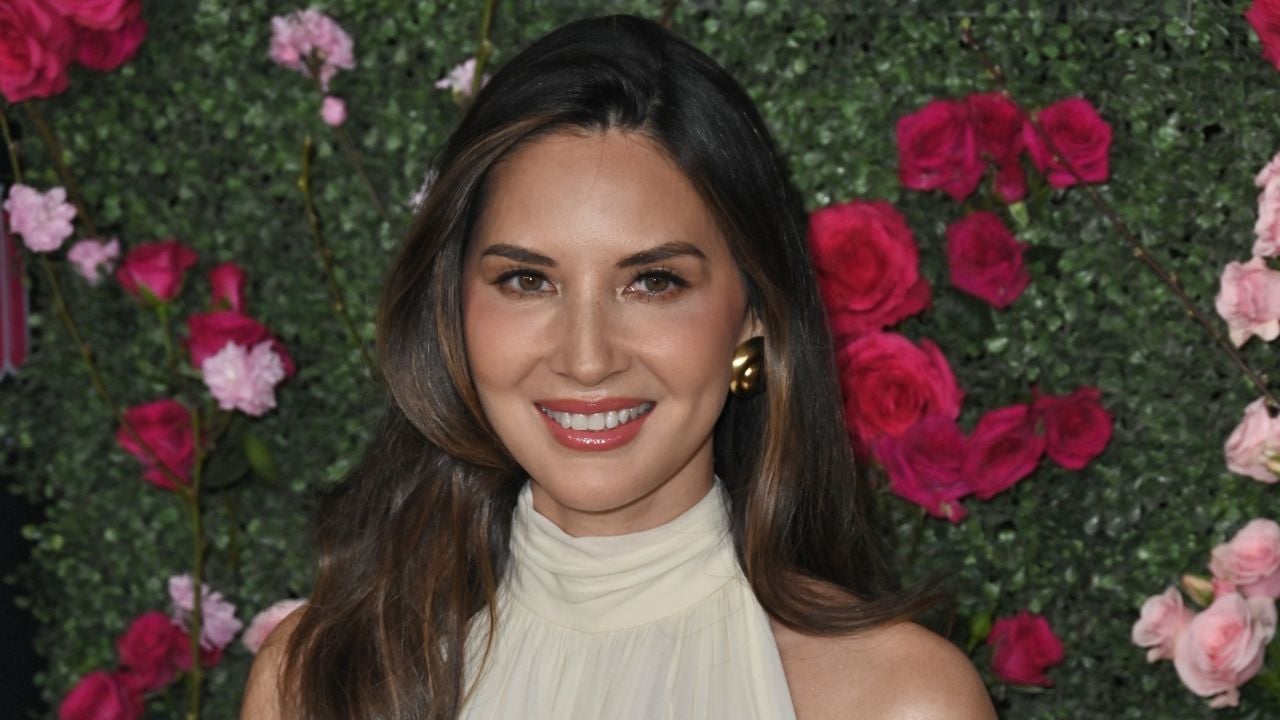
Olivia Munn wants breast cancer risk scores to become as familiar in a doctor’s office as blood pressure or cholesterol. She is working with Arizona Senator Mark Kelly on legislation that would make those assessments a more consistent part of routine medical care.
The 46-year-old Your Friends & Neighbors star told PEOPLE in an interview published October 29th that speaking publicly about her diagnosis had given her a new purpose. After seeing the response from other women, she recalled thinking, “Oh, this is my mission. This is what I can do in the world.”
Kelly plans to introduce their proposed Know Your Risk Act in the Senate in November.
For Munn, making a questionnaire available online is only part of the job. She wants doctors to raise the subject with patients who may not know that risk assessments exist or that their results could affect recommendations for further screening.
A 37.3% Risk Score Prompted Further Testing After a Normal Mammogram
In February 2023, Munn underwent genetic testing covering 90 cancer-related genes, including BRCA. She reported negative results, and a mammogram around that time had shown no concerning findings. Two months later, she was diagnosed with breast cancer.
Her OB-GYN, Dr. Thaïs Aliabadi, had taken an additional step by calculating her lifetime risk using the Tyrer-Cuzick assessment. Munn’s result was 37.3%, prompting Aliabadi to recommend a breast MRI.
The MRI led to an ultrasound and then a biopsy. Those investigations identified Luminal B cancer in both breasts, which Munn described as aggressive and fast-moving.
She underwent a double mastectomy approximately 30 days after the biopsy. When she disclosed her diagnosis in March 2024, she said she had undergone four surgeries in 10 months and had needed time to get through treatment before discussing it publicly.
Munn credited the additional assessment with helping doctors find the cancer while she still had treatment options, according to The Associated Press.
Her Mother’s Diagnosis Brought a Different Challenge
After her own diagnosis, Munn encouraged her mother, Kim, and her sister to have their lifetime risk assessed. Her mother’s score was 26.2%, despite a normal mammogram. Munn urged her to get an MRI, and subsequent testing revealed stage 1 HER2-positive breast cancer.
Munn shared the news in July 2025. By then, her mother had undergone a double mastectomy and completed 12 rounds of chemotherapy, with additional treatment planned for that fall. According to ABC News, Munn praised her mother’s bravery and humor, recalling that she had tried to do laundry and make dinner just days after surgery.
Being a caregiver brought a different kind of distress. During an October 21st appearance on Good Morning America, Munn recalled feeling helpless because she could not undergo the treatments on her mother’s behalf.
She sought advice from Michael Strahan, whose daughter Isabella had also received cancer treatment. He reminded her that, although she could not experience the illness for her mother, she could be there for her. Munn said that distinction helped her understand how to offer support. By her latest PEOPLE interview, she said her mother had been successfully treated.
In a separate October 29th conversation with Extra, Munn spoke about wanting to see her own children grow up and eventually have grandchildren. She and husband John Mulaney are raising son Malcolm and daughter Méi.
Kelly Asked Munn to Help Develop Breast Cancer Legislation
View this post on Instagram
Munn met Kelly and his wife, former Arizona congresswoman Gabby Giffords, while starring in HBO’s The Newsroom. Giffords was recovering from the severe brain injury she suffered in a 2011 assassination attempt.
The couple later offered encouragement during Munn’s treatment. She recalled finding strength in Giffords’ resilience and the way she continued rebuilding her life after such a serious injury.
Kelly’s mother and grandmother had both been diagnosed with breast cancer. After learning how Munn’s risk assessment had changed the course of her care, he approached her about working on legislation.
During an October 27th appearance on The View, Kelly said Munn had put considerable effort into developing the proposal.
As described in the PEOPLE interview, the planned Senate proposal would establish a task force to recommend ways to improve access to risk assessment tools. It would also have the Department of Health and Human Services and the National Institutes of Health examine the tools’ accuracy.
A House Bill Already Addresses Access to Risk Assessments
Separately, Representative Julia Letlow, a Louisiana Republican, introduced H.R. 10763, also titled the Know Your Risk Act, on October 6th. It was referred to the House Energy and Commerce Committee.
The published text, available through the Government Publishing Office, would require HHS to report on inaccuracies in existing assessment tools, gaps in their use and the factors contributing to those problems. That report would be due within 180 days after enactment.
It would also outline the planning needed to develop a comprehensive, publicly accessible assessment tool, along with strategies for public awareness and recommendations for involving patients, healthcare providers and other organizations.
Additional provisions would incorporate evidence-based risk assessments into certain federally supported screening programs. These include training providers, integrating tools into electronic health records and tracking referrals for enhanced screening, genetic counseling and other services.
As of October 31st, the House measure had not become law.
What a Breast Cancer Risk Assessment Can Tell Patients
A risk score estimates the likelihood of developing cancer; it does not diagnose the disease. The National Cancer Institute explains that these calculations reflect outcomes among people with similar risk factors. A high estimate does not mean someone will develop cancer, and a low estimate does not eliminate that possibility.
Tyrer-Cuzick, the calculator Munn used, is distinct from NCI’s Breast Cancer Risk Assessment Tool, also known as the Gail model. Factors such as family history, reproductive history and breast density can affect calculations, depending on the model.
The American Cancer Society recommends annual MRI screening alongside mammography for certain women at high risk, including those with a lifetime risk of about 20% to 25% or greater based on appropriate family-history models. The screening plan is determined in consultation with a healthcare professional.