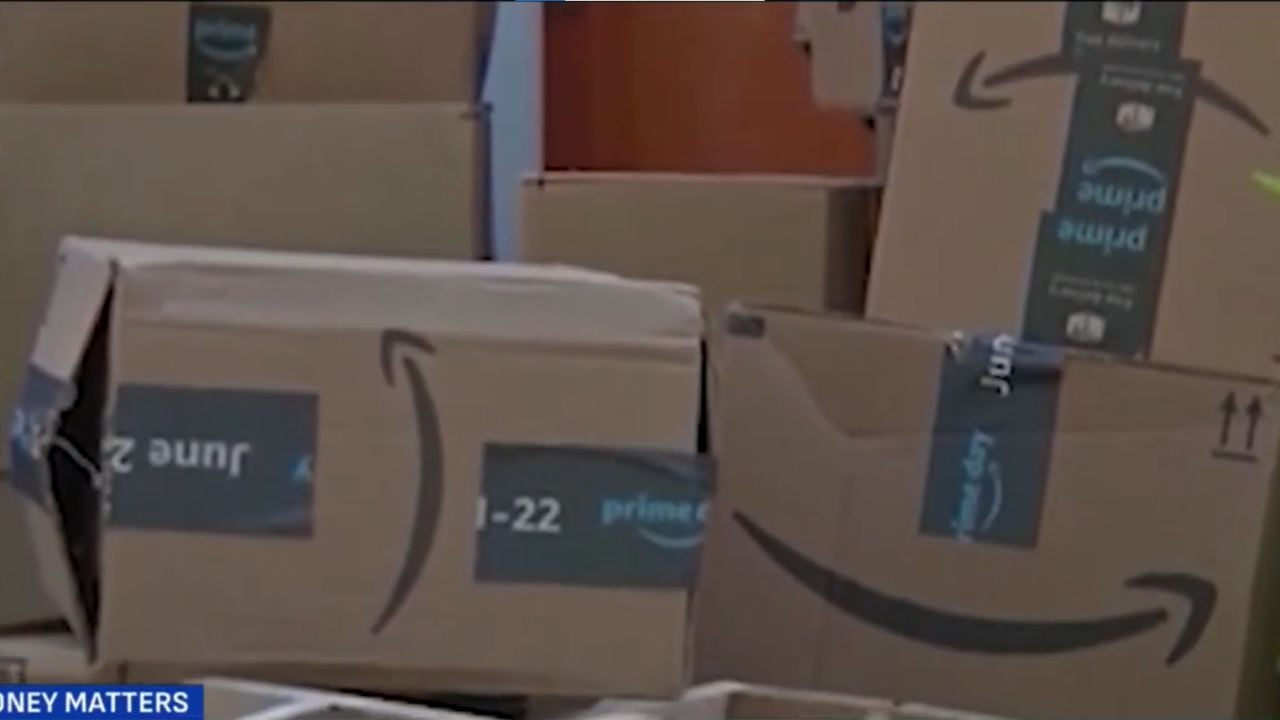
Shoppers waiting for Amazon Prime Day orders are being warned to watch for fake delivery messages that can look like routine shipping updates.
FOX59’s Money Matters segment warned that after Prime Day sales wrap up, consumers should expect bogus text messages claiming there is a “problem” with a delivery.
A person who recently bought several items online may already be expecting texts, emails, tracking alerts, and delivery updates from multiple carriers.
Scammers use that confusion to send messages that appear to come from Amazon, USPS, UPS, FedEx, or another delivery service. The message may say a package is delayed, an address must be verified, a payment method failed, or a small fee is needed before delivery.
Fake Delivery Messages Push One Link
The scam usually turns on one link. The message pushes the recipient to click quickly, often by suggesting a package will not arrive unless the issue is fixed.
The link may lead to a fake tracking page, a fake retailer login, or a payment screen that asks for a card number, address, password, or other personal information.
ABC7 Chicago reported that fake delivery texts and emails can surge after major shopping events because scammers try to exploit the flood of online orders. Those messages may claim there is a problem with a delivery, a missed package, or a small fee due before the order can be delivered.
Experts told the station that artificial intelligence is helping scammers make phishing messages look more convincing.
Prime Day Gives Scammers Better Cover
Delivery scams are not new, but Prime Day creates a better setup for them. A shopper may have several real packages moving at once, with some coming from Amazon, others from third-party sellers, and others through different delivery carriers.
The Better Business Bureau has warned that Amazon Prime Day can bring fake Amazon order confirmations, bogus delivery problem notifications, fake websites, fraudulent ads, fake customer service representatives, and false Prime membership renewal or cancellation messages.
USPS Says Surprise Tracking Links Are Suspicious
The U.S. Postal Inspection Service says unsolicited package-tracking texts with unfamiliar links are a form of smishing.
USPS tracking texts require a customer to register online or initiate a tracking request with a tracking number. USPIS says USPS does not charge for those services and will not send customers texts or emails with links if they did not first request tracking for a specific package.
If a delivery text arrives unexpectedly and contains a link, shoppers should avoid the link and check the package through the official Amazon app, the carrier’s official app, or the company’s website typed directly into the browser.
USPIS also says anyone who already interacted with a suspicious link should notify their financial institution.
Check The Order Somewhere Else
Delivery scams depend on speed. The message wants the shopper to react before checking whether the package, tracking number, carrier, and payment request are real.
Do not enter card information, passwords, addresses, or personal details through a link in an unexpected delivery text. The Federal Trade Commission advises consumers to verify delivery information independently through the retailer or account where the order was placed.
For shoppers with Prime Day orders on the way, treat the text as a notice, not the place to solve the problem. Open the official retailer or carrier app, check the order there, and delete the message if it does not match a real shipment.