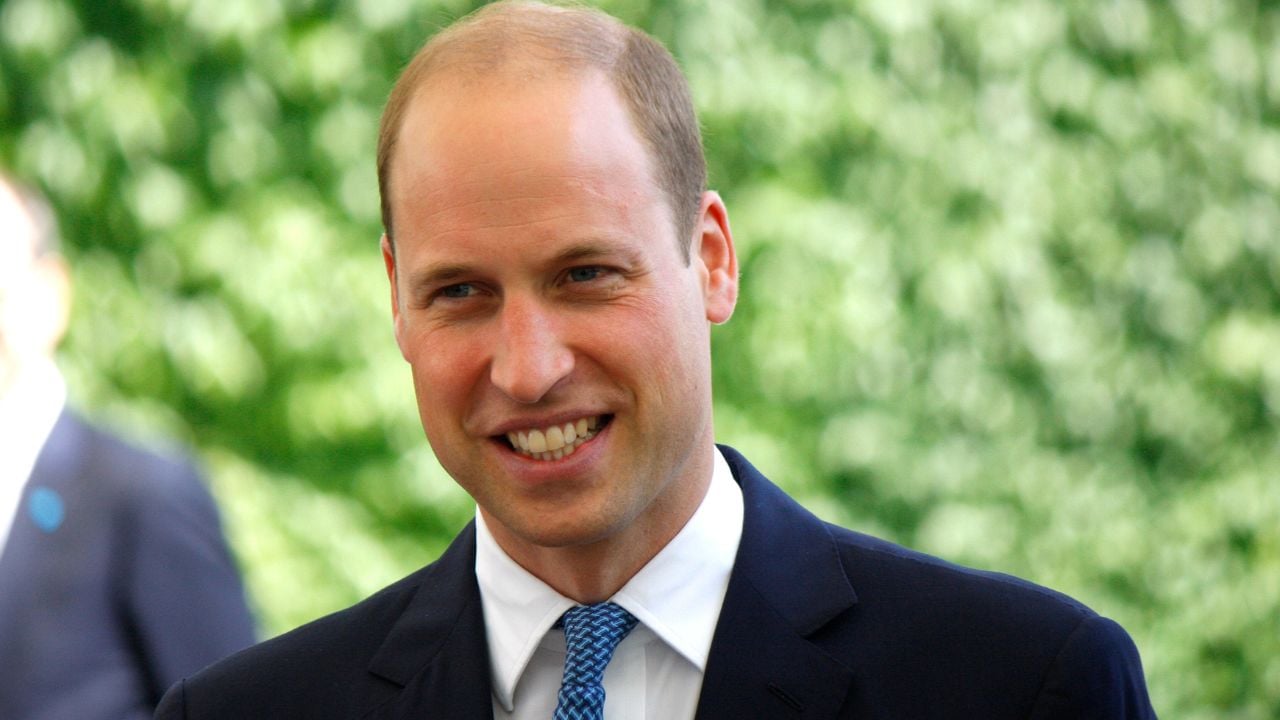
Prince William contributed £5,000 to former Royal Marine Dave “Dinger” Bell’s ocean-rowing fundraiser under the name “William Wales.”
The donation appeared on Oct. 5 after Bell completed a solo journey across the Pacific and Indian oceans.
Bell served for 20 years in the Royal Marines before taking on long-distance rowing challenges. He completed a 119-day solo Atlantic crossing from New York to Cornwall in 2021.
His SportsGiving campaign benefits Rock2Recovery. By Oct. 11, it had raised more than £141,000 toward its £150,000 target.
Bell Thanked William in a Video From Kenya
Прикажи ову објаву у апликацији Instagram
In an Instagram video posted Oct. 6, Bell singled out the Prince of Wales while thanking the people who had supported his expedition.
“An extraordinary achievement. Huge congratulations to Dinger for completing this incredible challenge in support of a brilliant cause. Well done!” William wrote, signing the note “W,” according to PEOPLE.
Bell also thanked William and Catherine’s official account for sharing his journey the previous week. In the caption accompanying his video, he described receiving their attention as an honor.
His Planned Finish in Mauritius Became a Landing in Kenya
Прикажи ову објаву у апликацији Instagram
Bell left Peru on Nov. 9, 2025, and reached Kilifi, north of Mombasa, on Oct. 2. He had spent 327 consecutive days at sea without setting foot on land, covering more than 15,000 nautical miles.
His original extended route would have ended in Mauritius after crossing the Pacific, passing through the Torres Strait and following Australia’s northern coastline into the Indian Ocean. Weather and southeasterly currents eventually pushed him toward mainland Africa.
In September, Bell announced that he would head for Kenya instead, adding roughly another 1,000 nautical miles to his planned journey. A local fisherman helped guide him past rocks and reefs on the final approach.
His partner, Georgie, helped him walk up the beach after he arrived, Row360 reported. Bell had departed with food for about 350 days and said he still had supplies for another 20 when he reached shore.
An Eight-Week Wait Was One of His Hardest Tests
Bell stopped rowing for eight weeks in the South Pacific because he was progressing too quickly and risked reaching the Coral Sea during cyclone season. He described sitting offshore with months still ahead as one of the expedition’s greatest psychological challenges.
Later, tidal conditions in the Torres Strait required him to row for as much as 16 hours a day over a ten-day period. Near the end of the voyage, heavy seas tore away one oar and broke a spare, leaving him with two working oars for the final stretch.
Storms in July and August also interrupted his progress. ExplorersWeb reported that he spent a week on a parachute anchor before discovering that his autopilot controls had failed. He found a workaround while the display remained operational.
In an Oct. 8 interview with the BBC, Bell said he had undergone a medical check-up and blood tests. Although still a little unsteady, he could walk unaided. His team was preparing to clean out the boat and ship it back to Britain.
The Fundraiser Supports Coaching for Veterans and Emergency Workers
Former Royal Marines Jamie Sanderson and Jason Fox established Rock2Recovery in 2015 after experiencing difficulties during their own transitions from military service. The organization offers individual coaching to serving personnel, veterans, emergency workers and close family members.
Its website says people referred through funded arrangements can receive unlimited coaching. Other eligible groups receive six free hours, followed by discounted rates. Sessions are offered in person and remotely.
Bell invested his savings in preparing the expedition, with businesses and individual supporters contributing equipment, services and funding. His boat carried communications and repair equipment, extensive food supplies and a system that converts seawater into drinking water.
William Used Wales at School and in the Military
William was known by the surname Wales during his school and military years because his father, Charles, was then Prince of Wales. Charles named William to the title in September 2022, and William and Catherine’s children subsequently began using Wales as their surname.
The royal family’s website explains that royals often do not need surnames. Mountbatten-Windsor is used by descendants of Queen Elizabeth II and Prince Philip on occasions when one is required.
A Village Pub and a Farmer Also Received Donations
In June 2026, William donated £1,000 as William Wales to the Semington Community Benefit Society’s campaign to reopen the Somerset Arms in Wiltshire. The pub had been closed since 2023, and organizers invited him to pull the first pint if their effort succeeded.
He also supported a rural fundraising challenge earlier this year. In February, William donated £5,000 to farmer Sam Stables during a 142-mile walk from Ross-on-Wye to London. PA Media reported that the walk supported the National Federation of Young Farmers’ Clubs in partnership with the Farm Safety Foundation’s Mind Your Head campaign.