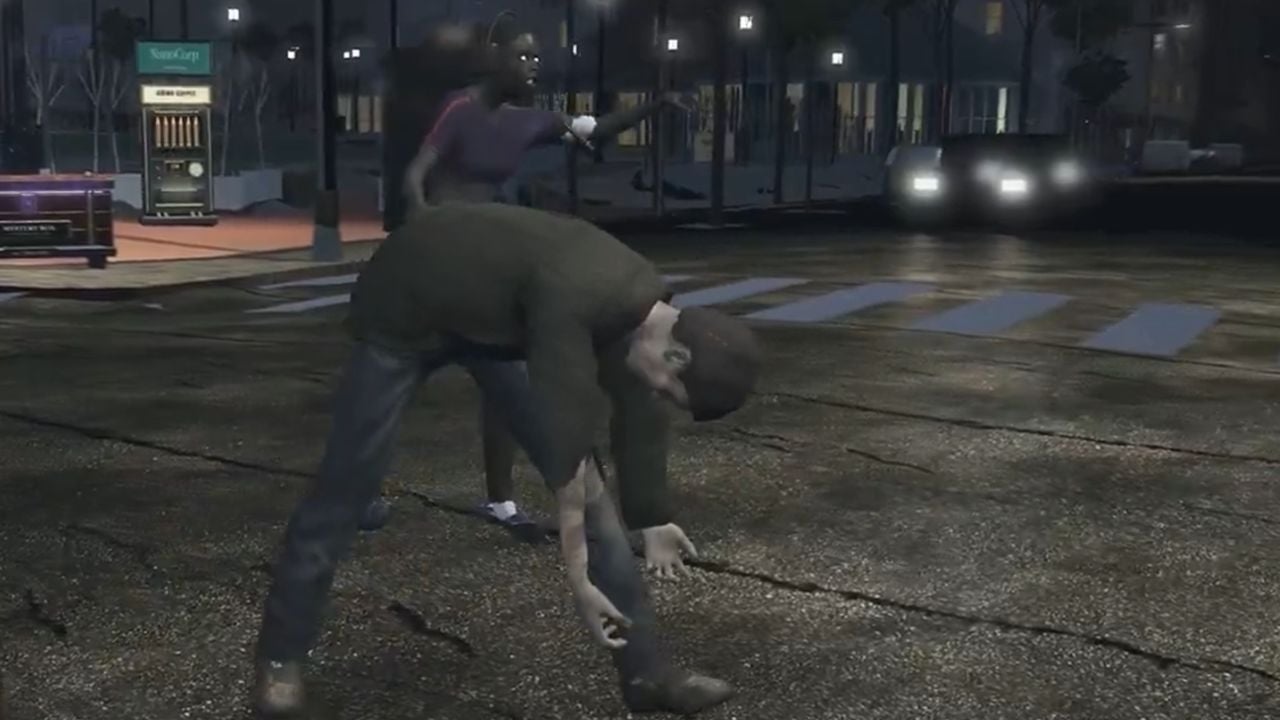
Pierre-Louis Biojout says he has generated $300 in advertising sales from a zombie shooter set in San Francisco’s Tenderloin, where critics say the targets resemble people experiencing homelessness and addiction.
The NanoCorp founder promoted the free multiplayer browser game, Tenderloin: Night Shift, with a trailer on Oct. 13. Its setting uses recognizable streets rather than an invented city.
In an Oct. 15 report, the San Francisco Chronicle quoted Supervisor Bilal Mahmood calling the game “deeply disturbing and unacceptable.” He objected to making violence against unhoused people into entertainment.
Biojout told the newspaper he rejected suggestions that the game promoted violence against residents. He said its fictional characters represented different parts of San Francisco, including people working in tech.
Biojout Says He Built His First Game in a Weekend
San Francisco couldn’t fix the Tenderloin. So I monetized it.
— Pierre-Louis Biojout (PLB) (@plbiojout) October 13, 2026
Biojout said he had never developed a video game before and completed this one over a single weekend using Codex and NanoCorp’s tools. He compared the result to a Call of Duty-style shooter and promoted its online multiplayer format.
NanoCorp markets software for creating and operating businesses through AI agents. Its website describes tools that build landing pages and applications, set up payments, contact potential customers and launch advertising campaigns. In the company’s demonstration, the user approves an advertising budget while the agents handle the work.
The Trailer Recreates Jones and Eddy Streets, Down to the Scooters
The footage places players around the intersection of Jones and Eddy streets, with vehicles resembling Waymo robotaxis and Tesla Cybertrucks. AI billboards and Lime-style scooters also appear, according to KRON4.
Players fire weapons and throw grenades at approaching zombies. Some enemies walk through the streets, while others ride scooters. KRON4 also reported that the game’s website displays a leaderboard listing the top 10 players.
A Zombie Called “The Folded” Drew Comparisons With Drug Use
One enemy bends sharply forward at the waist. KRON4 compared its posture with the stance commonly described as the “fentanyl fold,” making that character a focus of objections to the game’s treatment of addiction.
SFist separately criticized the depiction of Black characters, describing it as relying on racist tropes. Its Oct. 15 report also quoted a critic who drew a distinction between a zombie game set at Alcatraz and one that appeared to turn people living in a contemporary neighborhood into targets.
Tenderloin resident David Elliot Lewis told the Chronicle that the area depicted included his own residence. He called on city leaders to denounce the game.
Other commenters welcomed the game. KRON4 documented one person calling it the best game they had played that year and another proposing a $5 Steam release.
The Neighborhood’s Investment Plan Focuses on Children and Safer Streets
San Francisco Planning describes the Tenderloin as a neighborhood with a high concentration of children, seniors, immigrants, artists and community organizations. Its June 2025 investment blueprint puts the child population at approximately 2,600, citing 2023 census data.
The document identifies open-air drug markets and unsafe street conditions as daily problems for families. Its proposed Children’s Safe Zone combines additional public-safety resources with better lighting, improvements to parks and sidewalks, and expanded youth services. The initial focus would be areas near schools, youth programs and family housing.
A separate youth-services analysis highlighted the need for staff to help children travel safely to after-school programs, culturally responsive services for immigrant families, and more career opportunities for disconnected young people.
San Francisco Planning says 1,400 residents and workers voted on community-sponsored projects funded through a $4 million city commitment approved in 2022. The selected projects, announced in February 2023, covered public spaces, cultural events, youth support and access to essential services.