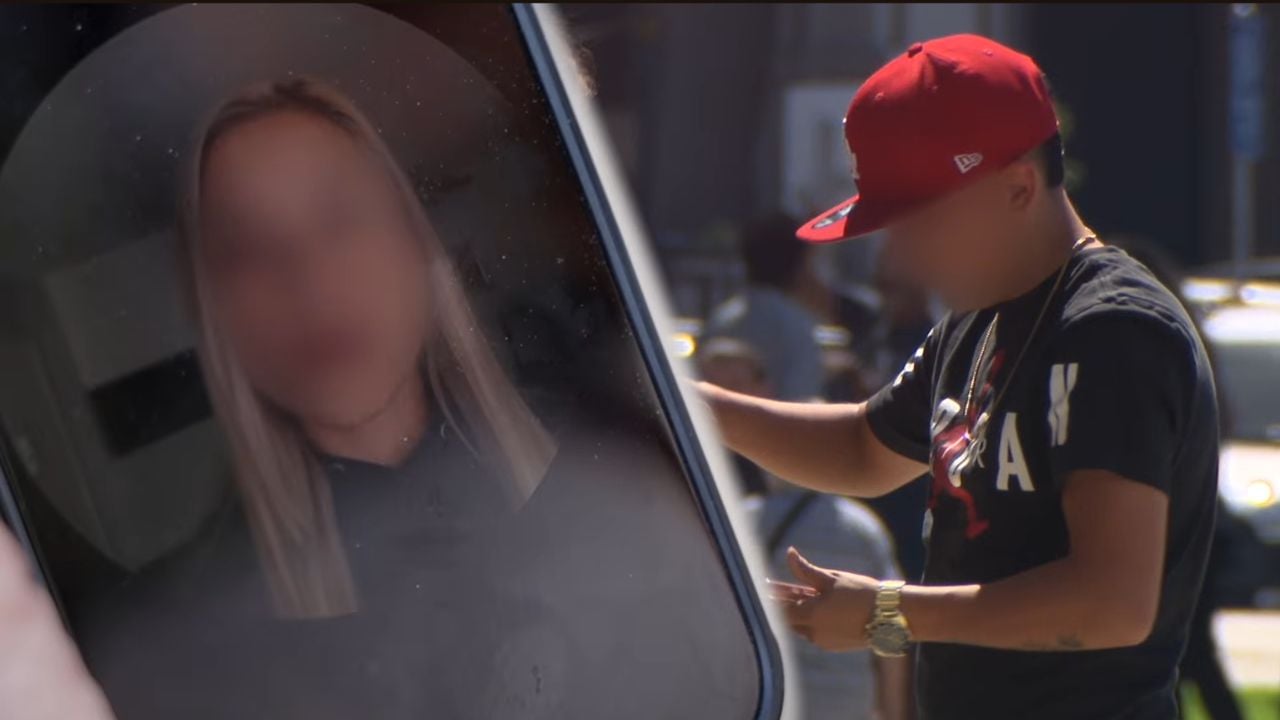
The food delivery app showed a woman named Kayla. Charles Bledsoe said the person who arrived at his California high desert RV was a man.
Then the delivery became frightening. CBS News California reported that Bledsoe said the person who came to the door did not match the profile in the app and tried to force his way inside.
“I didn’t know what he was going to do or why he was trying to get in,” Bledsoe told CBS. “I feared for my life.”
The report led CBS News California to a larger question: if food delivery apps show a driver’s first name and photo, can customers trust that the person in the profile is the person bringing the order?
A follow-up CBS investigation found delivery accounts being rented, sold, or used by people who did not appear to match the app profile, raising concerns about background checks, account fraud, and who is actually coming to the door.
CBS Found Drivers Who Did Not Appear to Match the App Photo
The CBS LA investigative team started looking into the issue after viewers reported deliveries where the person arriving with food or groceries did not resemble the profile photo shown in the app.
In one test, CBS said it placed eight delivery orders through DoorDash and Uber Eats over several hours on a Friday in March. Two of the DoorDash deliveries involved people who did not appear to match the profile photos shown in the app.
One order from Jamba Juice was assigned to a bearded man named Aram, according to CBS. The person who arrived appeared younger and clean-shaven.
Another order from Juice Crafters was assigned to a blonde woman pictured in the app. CBS reported that a young man arrived with the order instead.
Bledsoe had already started tracking the issue himself after the RV incident. He told CBS that drivers failed to match their profiles in eight out of 10 deliveries he tracked after the encounter.
Accounts Were Advertised for Rent or Sale Online
CBS reported that Uber, Lyft, DoorDash, and Uber Eats accounts were advertised for rent or sale online, including on Facebook Marketplace and Instagram.
Reporters contacted sellers while posing as interested renters. One seller allegedly told CBS, in Spanish, that not having a driver’s license was “no problem.” Another seller said a driver’s license was not required and that all the renter needed was a photo without filters.
Sergio Avedian, a longtime Uber and Lyft driver and contributor to The Rideshare Guy YouTube channel, told CBS that someone could pay a middleman a few hundred dollars and begin delivering or driving with an account.
He said many people using rented or bought accounts likely would not be able to pass the background checks required by the platforms.
California’s Photo Law Does Not Stop Account Rentals
California lawmakers passed AB 375 in 2024, a law requiring food delivery platforms to show customers the driver’s first name and picture when the customer is notified that the order is out for delivery.
The bill summary says the requirement began March 1, 2025. It applies to food delivery platforms and was meant to give customers more information about who is bringing food to their door.
Assemblywoman Laurie Davies, who authored the law, told CBS the investigation exposed a gap that may need stronger safeguards and tougher penalties for people who rent, sell, or share delivery accounts.
“We’ve got to get law enforcement in here and tell us what can we do,” Davies said. “Then we need to work with our legislators and make sure that we close that loophole.”
Companies Say Account Sharing Is Banned
DoorDash told CBS that account sharing violates its policies and that the company has zero tolerance for it. The company said it permanently removed the accounts identified during the investigation.
DoorDash also said the buying and selling of Dasher accounts is strictly prohibited. In a separate company post, DoorDash said it had expanded real-time identity checks, machine-learning detection, and identity re-verification to combat unauthorized account sharing.
Uber told CBS that account sharing is never allowed and that it has safeguards designed to verify that the person using an account is the rightful owner. In its own identity-verification post, Uber said consumers who believe the person completing a trip or delivery was not the driver or courier shown can report it through the Uber or Uber Eats app.
Lyft told CBS it strictly prohibits fraudulent activity, including account sharing and the buying or selling of accounts. Meta told CBS it reviewed the accounts identified in the investigation and removed those found to violate its fraud policies.
A Mismatch at the Door Is the Warning Sign
The risk for customers is not just a wrong name or wrong photo. A customer may open the door believing the person has passed the platform’s screening, while the person holding the order may be using someone else’s account.
Customers who see a driver who does not match the app photo can avoid opening the door, switch to no-contact delivery when possible, and report the mismatch through the delivery platform. If someone tries to enter a home, refuses to leave, or makes the customer feel unsafe, the issue moves beyond an app complaint and should be treated as an immediate safety concern.
For Bledsoe, the concern stayed with him after the delivery.
“What would happen if it had been a young lady by herself?” he told CBS.