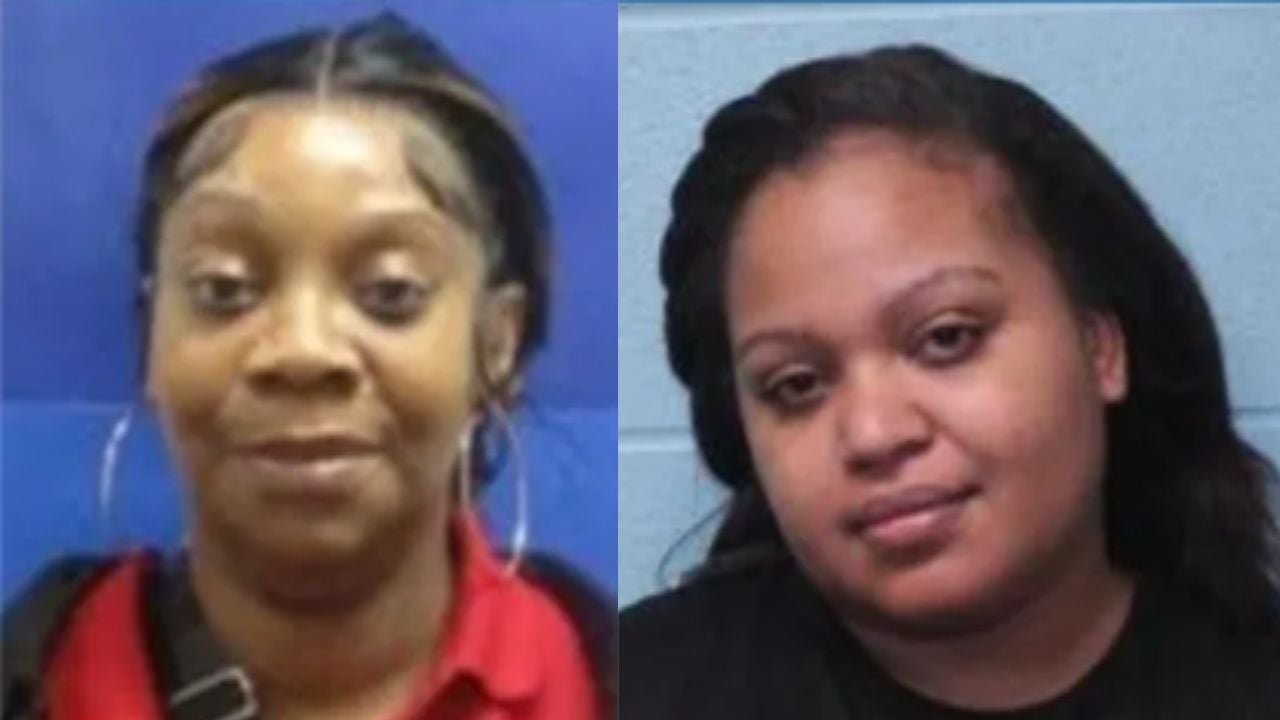
Two North Carolina women have pleaded guilty after admitting their roles in a scheme that used fictitious tenant leases to obtain more than $187,000 from a pandemic program created to help struggling renters stay in their homes.
Kendra Edmondson, 39, and Britteny Dryer, 35, of Lenoir County, each pleaded guilty to conspiracy to commit mail fraud, according to WCTI.
Federal prosecutors say Edmondson, Dryer and others submitted 23 fraudulent applications to North Carolina’s Housing Opportunities and Prevention of Evictions program between November 2020 and December 2021.
The applications included fictitious leases involving multiple Lenoir County properties. Prosecutors say the resulting federal housing assistance was collected for the personal benefit of people involved in the scheme.
Fake Leases Supported 23 Rental Aid Applications
According to the U.S. Attorney’s Office for the Eastern District of North Carolina, the defendants and their associates submitted fictitious tenant lease agreements as supporting documentation for requests for emergency rental assistance.
The government says the conduct continued for about 13 months and produced more than $187,000 in payments. The Justice Department has not publicly provided a property-by-property breakdown showing how much was obtained through each application or how the proceeds were divided among the people involved.
The Money Came From a Program Meant to Prevent Evictions
NC HOPE was administered by the North Carolina Office of Recovery and Resiliency using federal pandemic relief money. The program was designed to help North Carolina renters remain in their homes by covering housing and utility costs during the economic disruption caused by COVID-19.
Federal prosecutors said the program initially used $51.5 million in Community Development Block Grant funding authorized through the CARES Act. HUD administered the federal CDBG program while North Carolina distributed assistance through NC HOPE.
Both Women Pleaded Guilty to Conspiracy to Commit Mail Fraud
Chief U.S. District Judge Richard E. Myers II accepted the guilty pleas from Edmondson and Dryer. The federal case is docketed as Case No. 4:26-CR-14-M in the Eastern District of North Carolina.
The U.S. Department of Housing and Urban Development Office of Inspector General and the North Carolina State Bureau of Investigation investigated the case, with assistance from the U.S. Marshals Service and Kinston Police Department.
Each Faces Up to 30 Years in Federal Prison
Edmondson and Dryer each face a statutory maximum of 30 years in federal prison and a fine of up to $1 million. Prosecutors said both women are expected to be sentenced later in 2026. The Justice Department had not announced specific sentencing dates.
The 30-year figure is the statutory maximum rather than a prediction of either woman’s eventual sentence. The judge will determine their punishments after considering the applicable sentencing guidelines and other factors.
False Rental Documents Can Be Reported as Housing Program Fraud
Rental assistance applicants, landlords and others involved in federally funded housing programs should not sign or submit leases, occupancy information or other documents they know contain false information.
When suspected fraud involves HUD funding, the HUD Office of Inspector General accepts reports involving housing subsidy fraud, theft or abuse of government funds and other misconduct affecting HUD programs.
HUD OIG recommends providing specific information when possible, including the people involved, what occurred, relevant dates and locations, the suspected loss and documents supporting the allegation. Reports can also be submitted anonymously.
People who encounter suspected false leases or applications should preserve copies of the documents, payment records, emails and other communications rather than altering or destroying them. Those records can help investigators determine whether an inaccurate application resulted from an ordinary mistake or was part of an intentional fraud scheme.