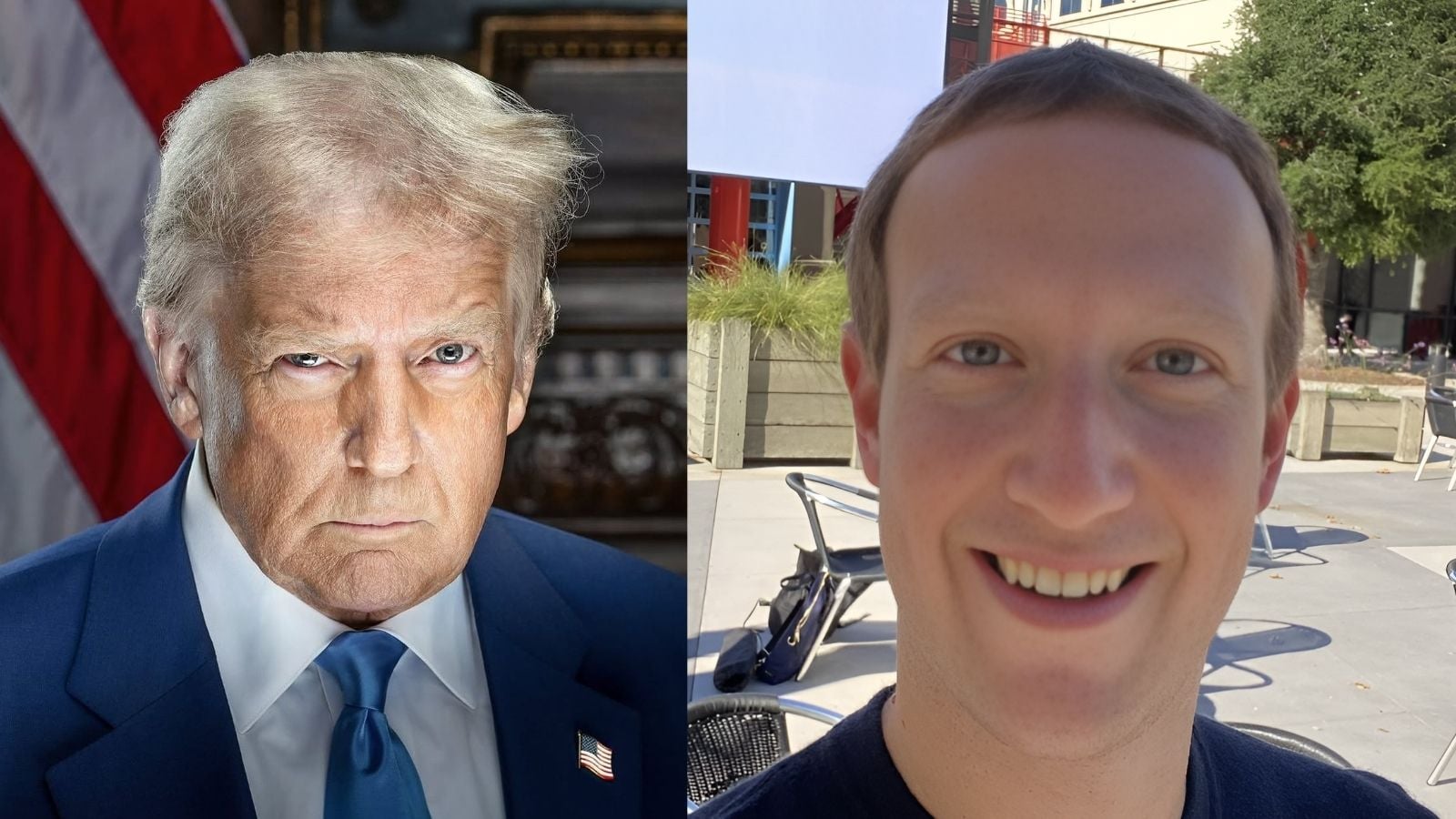
On March 25, 2026, President Donald Trump named the first 13 members of the President’s Council of Advisors on Science and Technology. Mark Zuckerberg made the list. The council, known as PCAST, gives the president ideas on science and tech policy but does not make laws.
This move comes as part of a bigger effort to bring Silicon Valley voices into the White House. Trump restarted the group earlier this year with an executive order. Many people online immediately began debating whether putting the Meta CEO on the board counts as a win or a risk.
Inside the New Science and Technology Council
The council dates back decades and has advised presidents from both parties on everything from health breakthroughs to new inventions.
This version focuses on fast-moving areas like artificial intelligence, keeping the country safe from tech threats, and making sure American workers benefit from new tools. It also aims to help the United States stay ahead of global rivals, especially China.
Two people will lead the group. David Sacks, the White House official in charge of AI and crypto policy, serves as one co-chair. Michael Kratsios, who heads the Office of Science and Technology Policy, is the other. The full council could grow to 24 members.
For now, the first wave includes top executives from companies that build the hardware and platforms powering modern tech. Trump described the appointments as a way to spark a new era of American innovation. The group will meet regularly and write reports that the president can use or ignore.
The Tech Leaders Trump Picked for the Job
The list reads like a who’s who of the tech industry. Zuckerberg joins Jensen Huang, the chief executive of Nvidia, the company whose chips run most advanced AI systems.
Larry Ellison, executive chairman of Oracle, brings decades of experience in databases and cloud computing. Sergey Brin, co-founder of Google, adds search and AI expertise. Investor Marc Andreessen of Andreessen Horowitz, chip executive Lisa Su of AMD, and Michael Dell of Dell Technologies round out the big names.
Oracle’s Safra Catz also appears, along with specialists in nuclear fusion, quantum computing, and at least one Nobel Prize winner in the sciences.
This group shows a clear shift. Trump has spent the early months of his second term meeting with tech executives who once kept their distance. Some, including Zuckerberg, donated to his inaugural fund.
Others adjusted company policies in ways that aligned with the new administration’s goals. Critics point out that the panel leans heavily toward industry bosses rather than university scientists or government researchers.
Supporters say the practical knowledge from these leaders will prove useful when it comes to turning ideas into real products and jobs.
What Mark Zuckerberg Had to Say
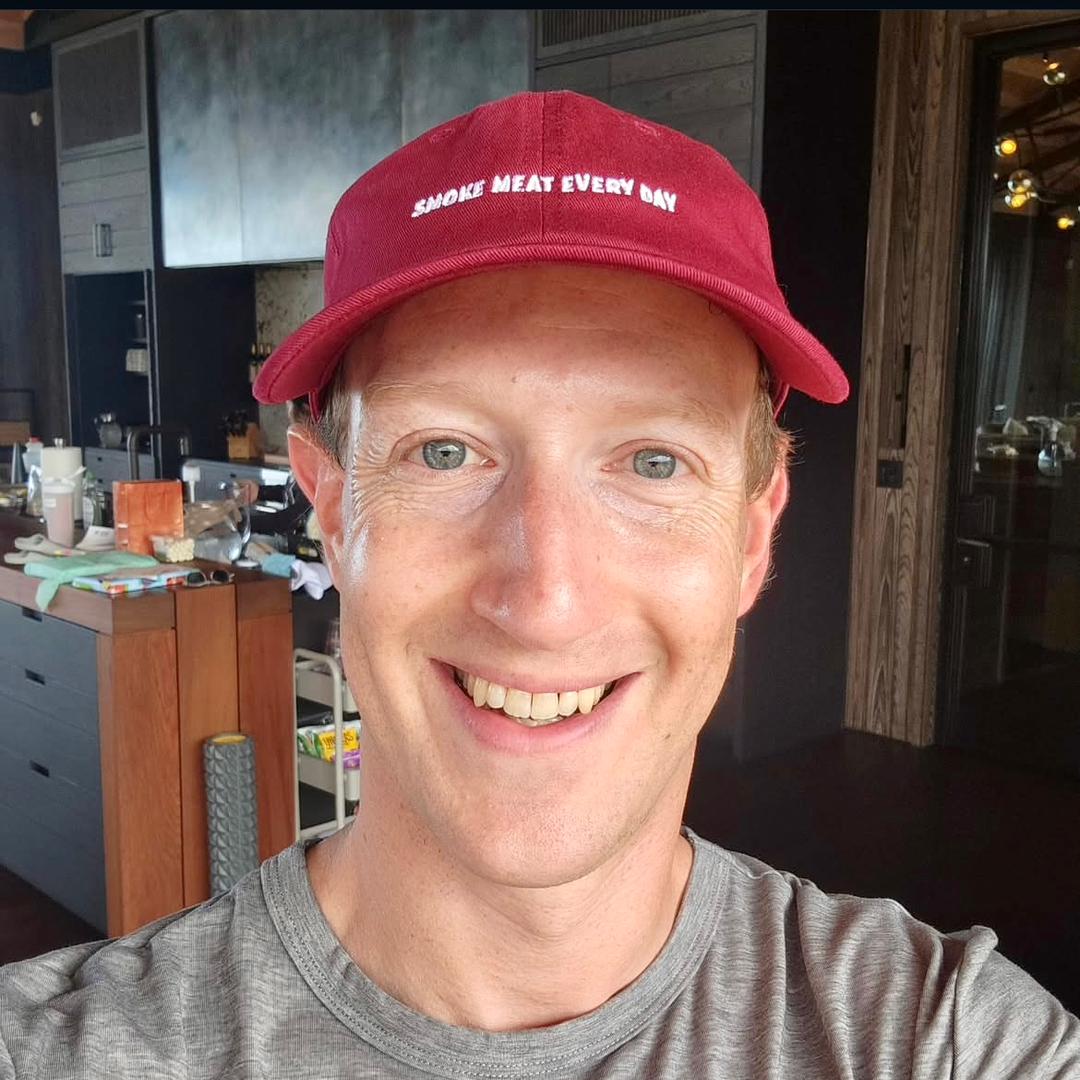
Zuckerberg did not stay silent after the news broke. He released a short statement welcoming the chance to serve. He said, “The United States has the opportunity to lead the world in AI. I’m honored to join the president’s council and work with other industry leaders to help make this happen.”
The comment struck a positive note and echoed the administration’s focus on keeping American companies dominant in new technology. Zuckerberg has met with Trump several times since the election.
Their relationship has warmed compared with the first term, when Meta faced sharp criticism from conservatives over content rules on Facebook and Instagram. By accepting the role, Zuckerberg signals he wants to shape policy from inside the room rather than react from outside.
How the Internet Is Reacting to the News
Social media lit up within hours of the announcement. Many users questioned whether Zuckerberg belongs on a science board at all. They recalled Meta’s past decisions to limit posts about elections, the COVID-19 pandemic, and conservative viewpoints.
Some posts asked how someone who once faced accusations of bias could now advise on national tech policy. Others worried that giving so many CEOs seats at the table hands too much power to private companies on issues like AI rules, data privacy, and content moderation.
The absence of certain names fueled extra chatter. Neither Elon Musk nor OpenAI chief Sam Altman appeared in the first 13 picks. That gap led to speculation about rivalries inside the AI world and whether the council favors one set of tech leaders over another.
At the same time, a different group of voices called the move practical. They argued that the people who actually build the tools know best how to keep the United States competitive.
What do you think?