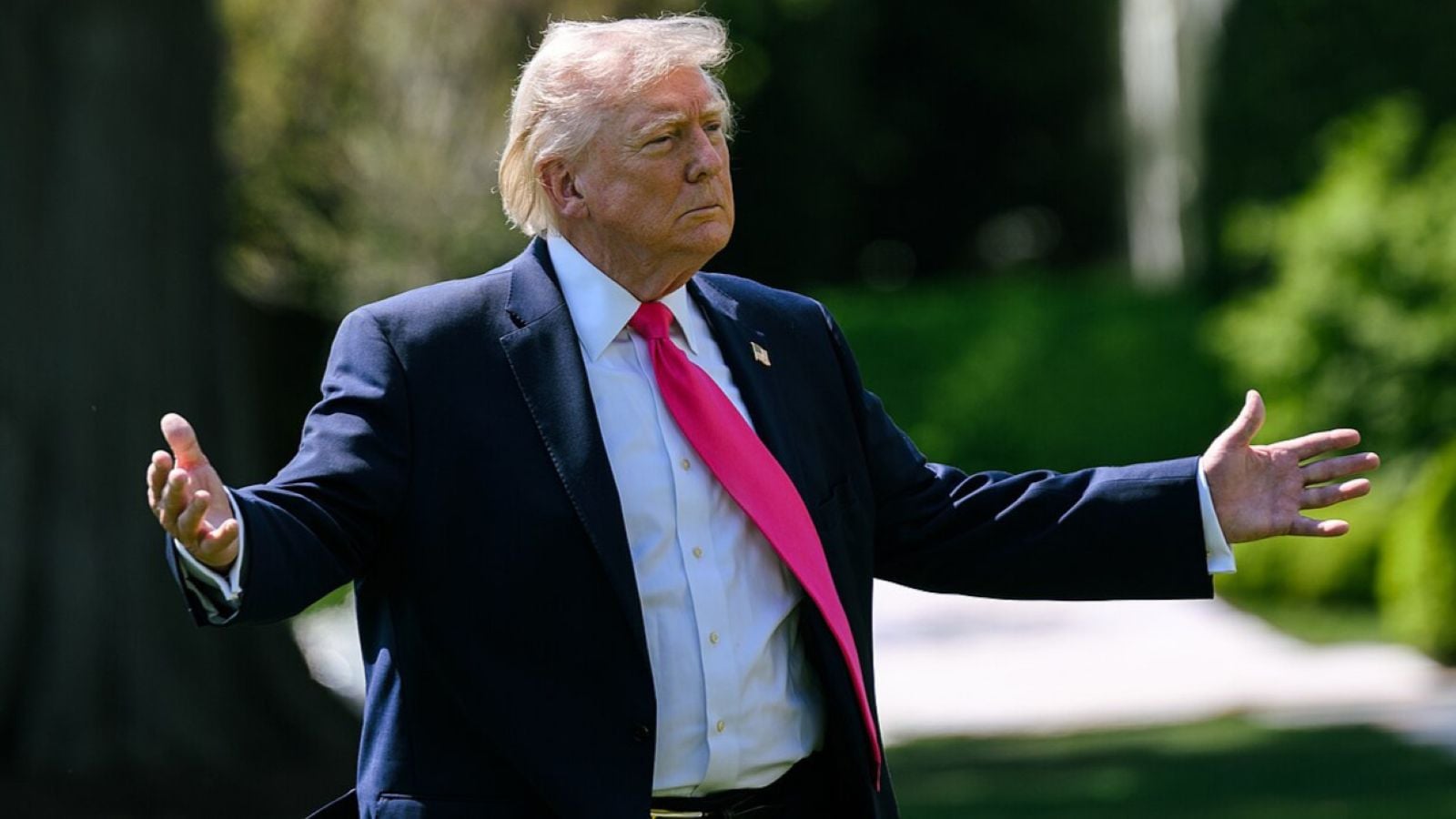
The money was declared unlawfully collected. The courts ordered it back. The government built a portal to return it. And then the President went on television and called companies claiming it “the enemy.”
That is what happened Tuesday on CNBC’s Squawk Box, and it should be said plainly before the policy language buries it.
How $166 billion became a loyalty test
In February, the Supreme Court ruled 6-3 in Learning Resources, Inc. v. Trump that the administration’s IEEPA tariffs, imposed on nearly every U.S. trading partner starting in April 2025, were unlawful because Trump had exceeded his authority and stepped on Congress’s power over tariffs. The Court of International Trade ordered refunds. On Monday, after two months building CAPE inside Customs and Border Protection’s existing system, the government opened a portal to return about $166 billion in duties paid on more than 53 million shipments.
On Tuesday, the day after that portal opened, Trump told CNBC he was unhappy with the ruling. And then he went further.
Asked about reports that Apple and Amazon had not yet sought refunds — reportedly because they were worried about offending him — Trump said: “It’s brilliant if they don’t do that. If they don’t do that, I’ll remember them.”
.@POTUS on companies not requesting tariff refunds: “I think it’s brilliant if they don’t do that… If they don’t do that, I’ll remember them, I will tell you that — because I’m looking to make this country strong.” pic.twitter.com/r0rjWs5KCQ
— Rapid Response 47 (@RapidResponse47) April 21, 2026
Then came the other half of that statement. Companies that are pursuing refunds — companies filing for money courts ruled was illegally taken from them — Trump called “the enemy.”
“In many cases, the enemy — the enemy — is getting this money,” he said on live television. “The people that have hated the United States, we’re giving them checks for billions of dollars. It’s so sad to see.”
No names. No specifics. Just the word “enemy” applied to American companies pursuing money that the courts ruled should be returned.
Who got the praise — and what that tells you
The companies Trump singled out for praise, Apple and Amazon, are not random names.
Trump underscored that warmth this week, saying Tim Cook had called him with a problem “only I, as President, could fix” and boasting that he later gave Cook “3 or 4 BIG HELPS.”
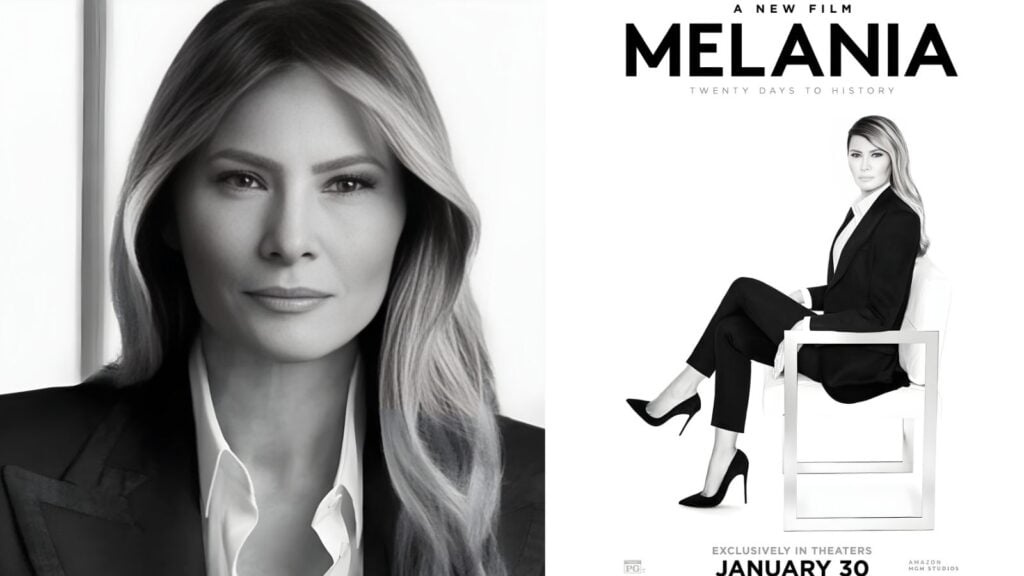
In January, a 70-person White House screening of the Melania Trump documentary included Apple CEO Tim Cook and Amazon CEO Andy Jassy among the guests. Amazon licensed the documentary for $40 million after Melania Trump personally pitched Jeff Bezos and Lauren Sánchez. The Washington Post also reported that Amazon spent an estimated $35 million on promotion, citing Puck. Trump separately praised Cook this week after Cook announced he was stepping down as Apple’s CEO.
None of that is a crime.
What it is, is a pattern. One of the companies in Trump’s orbit helped bankroll his wife’s documentary. Both had executives in his screening room. And both were the examples he praised — by name — on television for not claiming money courts say they are legally owed. The companies filing for refunds were “the enemy.”
That is what presidential favor looks like in 2026. It does not require a paper trail. It just requires a public statement on CNBC and the understanding that the President is watching who files and who doesn’t.
Same playbook, different target
Earlier this month, we covered Trump’s Easter remarks, where he said Americans who are not religious should be “cast aside” — that some people simply would not be part of his vision of the country. The dividing line was faith. The loyalists were in. Everyone else was out.
Tuesday’s CNBC interview was the corporate version of the same instinct. American companies claiming money courts said should be returned are “the enemy.” Companies that leave that money on the table — in a move that would leave the government holding money the courts said should go back — are “brilliant.”
The pattern is not subtle. It is a presidential administration that has decided the line between friend and enemy applies to corporations and billions of dollars just as readily as it applies to voters and religion.
The message behind the money
Trump told CNBC that replacement Section 301 tariffs are coming in July. Unlike the IEEPA tariffs the courts struck down, these require investigations, public comment, and actual statutory process. He said they could raise as much or more money.
In the meantime, more than 330,000 importers are staring at roughly $166 billion in potential refunds. By April 9, 56,497 had already completed the steps for electronic repayment. Costco, FedEx, Mondelez, and others moved early to protect their claims.
Apple and Amazon had not yet sought refunds. Trump said he would remember them for it.
The Supreme Court said the tariffs were unlawful. Trump told companies the real choice was between their money and his favor.
That is not trade policy. It is a $166 billion loyalty test.