A quiet financial shift is turning into a loud warning.
According to projections from the International Monetary Fund, global government debt is on track to hit 102% of GDP by 2031. That number is not just high. It’s historic.
The last time the world saw anything close to this level was after World War II. Back then, countries were rebuilding from destruction. Today, the situation looks very different.
Right now, global government debt already sits at around 94% of GDP. That’s a sharp increase from previous years, and the trend is still moving upward. Since 2015 alone, debt-to-GDP has risen by about 16 percentage points. A large portion of that increase comes from two major economies.
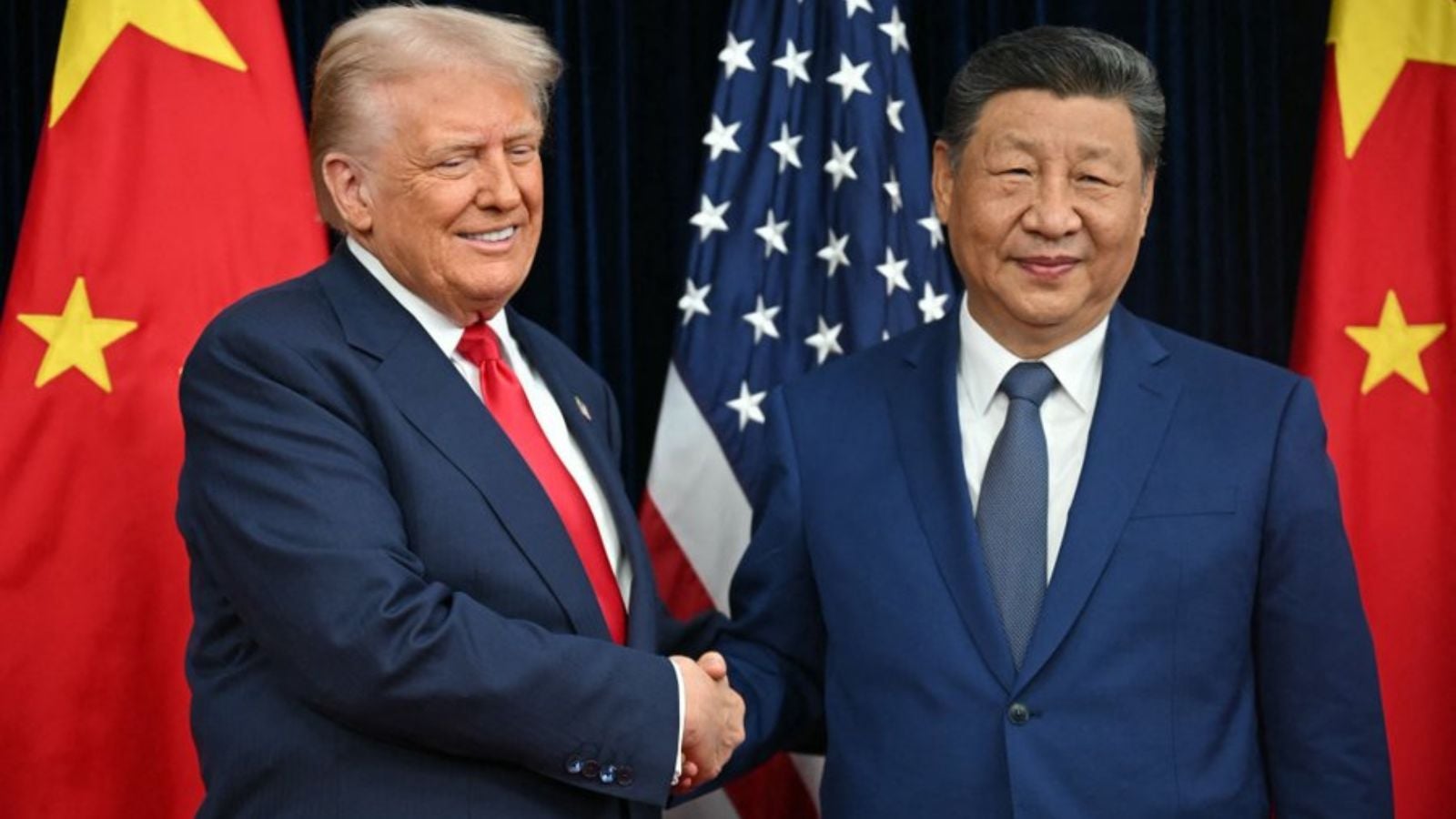
United States and China are leading the surge, both running large deficits and continuing to borrow at a rapid pace. This is not a slow buildup. It’s acceleration.
The U.S. and China Are Driving the Surge
In the United States, the government is currently running a deficit of around 7 to 8% of GDP. That gap between spending and revenue is expected to push total debt to about 142% of GDP by 2031.
China is following a similar path. Its debt-to-GDP ratio is projected to reach roughly 127%, with its deficit nearing 8% of GDP. Both countries are borrowing heavily, and both are expected to keep doing so in the coming years.
That raises a key concern. When the world’s largest economies rely on debt to this extent, the ripple effects don’t stay local.
The world is heading into a historic debt crisis:
Global government debt is projected to surge to 102% of GDP by 2031, a level previously seen only in the aftermath of World War II, according to the IMF.
World government debt already stands at ~94% of GDP.
Debt-to-GDP has… pic.twitter.com/qccWCA4tuJ
— The Kobeissi Letter (@KobeissiLetter) April 20, 2026
Borrowing Is Getting More Expensive
Debt alone is not the only issue. The cost of maintaining that debt is rising too.
Global interest payments are expected to climb from about 3% of GDP today to nearly 5% by 2031. This increase is driven by higher borrowing costs as governments refinance older debt at current interest rates.
That creates a compounding effect. More debt leads to higher interest payments, and higher interest payments require more borrowing. The cycle feeds itself.
At this point, debt is no longer just a tool. It has become a core driver of economic activity. Governments are using borrowed money to fund spending, stimulate growth, and manage crises. But the reliance is growing deeper, and the margin for error is shrinking.
The concern is not just how much is being borrowed. It’s how dependent the system has become on continued borrowing.
The Internet Reacts: “This Isn’t Just a Problem — It’s a Trap”
Online reactions show a mix of concern, frustration, and outright alarm.
Some users pointed to money printing as the root issue, arguing that governments are creating currency to service existing debt, which only deepens the problem. One comment described it as a path toward a global debt spiral that could be difficult to escape.
Others focused on the historical comparison. Yes, the world has seen debt levels this high before, but the context was different. After World War II, economies experienced strong growth that helped reduce debt over time.
This time, critics argue, the situation is more fragile. One response put it bluntly, saying that borrowing is now being used to pay interest on previous borrowing, turning what looks like a debt issue into something far more dangerous.
In their words, it’s not just debt. It’s a trap.
The Bigger Question Facing the World
There’s no single solution being agreed on right now. Some economists believe growth, innovation, and inflation could help ease the burden over time. Others warn that without major policy changes, the system could face serious stress.
The key issue is sustainability. How long can governments continue borrowing at this pace? And what happens if they can’t?
The world has been here before, but the conditions are not the same.
Do you think the global debt surge is manageable, or are we heading toward a crisis that can’t be avoided?